Almas Khan-e Kanouleʻei (1706–1777), also known by his military title Sarhang (Colonel) Almas Khan, was a Kurdish poet from the village of Kenule (Kanouleʻei) in the Kermanshah region of western Iran, during the period of Zand dynasty rule. He is best known for committing the Kurdish Shahnameh to writing — a body of epic poetry that until his time had been transmitted orally across Kurdish communities. He wrote in the Gorani dialect, the classical literary language of the southern and eastern Kurdish world.
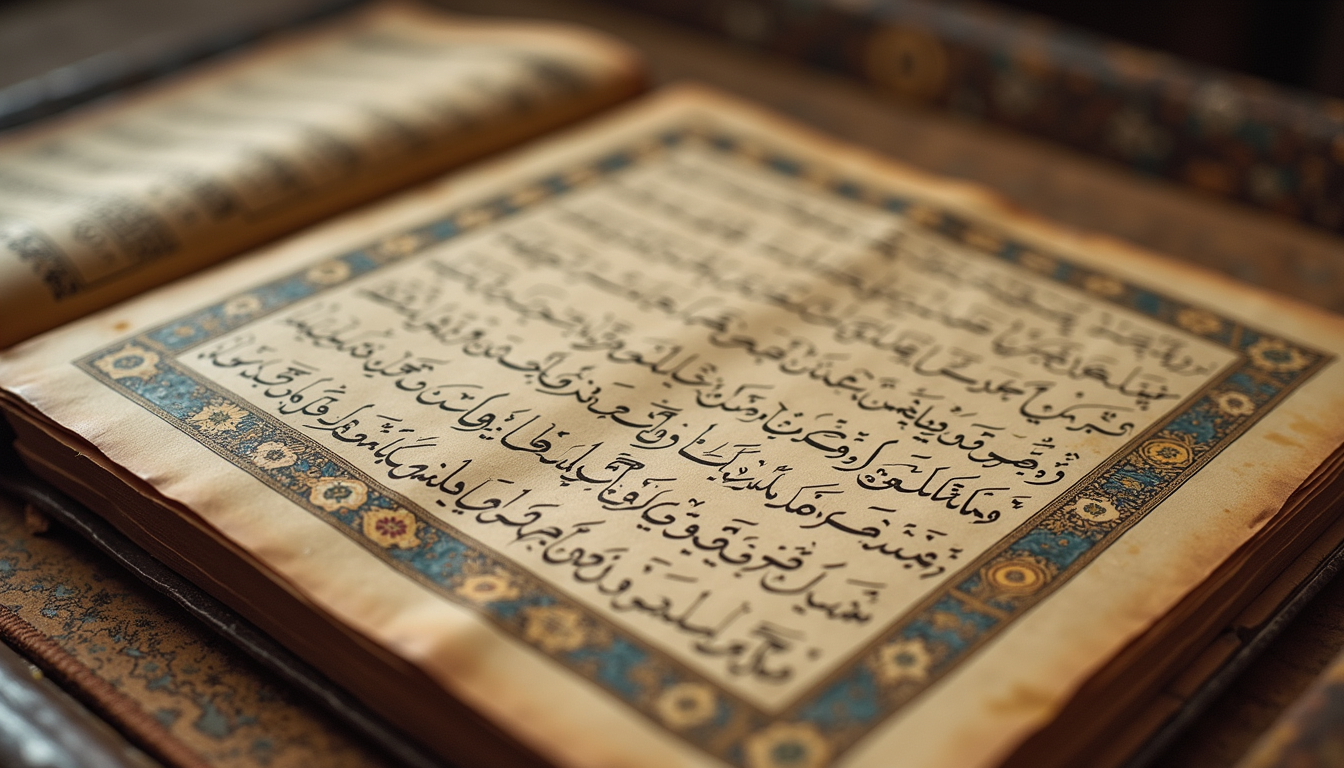
Table of Contents
Who Was Almas Khan-e Kanouleʻei?
Who Was Almas Khan-e Kanouleʻei?
Almas Khan was born in 1706 in the village of Kenule, near Kermanshah in what is today western Iran. He lived under the Zand dynasty, which ruled Iran from Shiraz during much of the eighteenth century. His military title, Sarhang, indicates he held an officer’s rank alongside his poetic career. He died in 1777, also in the Kermanshah region.
He wrote in Gorani (also called Gurani or Hawrami in some contexts), the northwestern Iranian language that served as the principal literary medium for southern and eastern Kurdish poetry from the medieval period through the eighteenth century. Writing in Gorani placed him within a long tradition that included earlier poets such as Mele Perîşan and Khana Qubadi.
The Kurdish Shahnameh
Almas Khan’s most significant contribution to Kurdish literature is the Kurdish Shahnameh — a body of epic poetry in Gorani that draws on the same heroic mythology as Ferdowsi’s Persian Shahnameh but differs from it substantially. The Kurdish Shahnameh preserves heroes and stories from a distinctly Kurdish oral tradition, including figures absent from the Persian original. Its meter is syllabic, following patterns typical of Kurdish rather than Persian prosody.
These epic poems had circulated orally in Kurdish communities for generations before Almas Khan wrote them down. In popular tradition, the act of transcribing them is attributed to him, though scholarly research has established that the Kurdish Shahnameh as a written corpus draws on contributions from multiple writers across different times and locations. His role was that of a major compiler and author within a broader tradition, not its sole originator.
Manuscripts of the Kurdish Shahnameh are preserved in national libraries in Berlin, London, and Paris, attesting to the international scholarly interest the tradition attracted over the centuries.
Other Works
Beyond the Shahnameh, Almas Khan is also associated with the poem Gurba wa Mush (“Cat and Mouse”), a humorous composition attributed to him in manuscript tradition. It represents a lighter register alongside his epic work, and points to the breadth of his poetic output.
Historical Context
The eighteenth century was the height of classical Gorani literary production. Almas Khan’s contemporaries and near-contemporaries included Khana Qubadi (1700–1759), who wrote Shirin and Khosrow in Gorani, and the many anonymous translators and adapters who rendered Persian classics into Gorani epic form. The Zand dynasty period, despite its political turbulence, was a productive era for regional literary culture in western Iran and Iraqi Kurdistan.
Legacy
Almas Khan-e Kanouleʻei is remembered primarily as the figure associated with the written preservation of the Kurdish Shahnameh. His work ensured that a major strand of Kurdish heroic oral tradition survived in manuscript form and was transmitted to later readers and scholars. He represents the classical peak of the Gorani literary tradition in the Kermanshah region.
Frequently Asked Questions
What is the Kurdish Shahnameh?
The Kurdish Shahnameh is a collection of epic poems in the Gorani dialect of Kurdish, drawing on heroic oral tradition that predates Ferdowsi’s Persian Shahnameh. It contains Kurdish heroes and stories not found in the Persian original, and its meter follows Kurdish syllabic patterns. Almas Khan-e Kanouleʻei is the poet most associated with committing it to written form in the eighteenth century.
What language did Almas Khan write in?
He wrote in Gorani (Gurani), a northwestern Iranian language used as the classical literary medium for much of Kurdish poetry in the medieval and early modern periods. It is the same language used by earlier Gorani poets such as Mele Perîşan and Khana Qubadi.
When and where did he live?
He was born in 1706 in the village of Kenule near Kermanshah, western Iran, and died in 1777. He lived under the Zand dynasty.
References
S.A. Hosseini Abbariki, “Surveying Almas Khan-e Kanouleʻei Poetry, Literary Works and His Life (Based on Almas Khan-e Kanouleʻei Manuscripts),” Journal of Kurdish Literature, vol. 3, no. 1, 2017, pp. 75–112.
Encyclopædia Iranica, “Kurdish Written Literature” — provides context for Gorani literary production and the Kurdish Shahnameh tradition.
Wikipedia, “Almas Khan-e Kanouleʻei” and “Kurdish Shahnameh.”