Mahmud the Kurd, also known as Mahmud al-Kurdi or Master Mahmud, was a remarkable 15th-century Kurdish artist and craftsman. His work stands out for blending European and Islamic artistic traditions, creating a distinctive style that art historians call Veneto-Saracenic. This style reflects a fascinating cultural exchange between Venice and the Islamic world during the late medieval period. Understanding Mahmud’s contributions offers insight into how art can bridge diverse cultures and inspire new creative directions.
The Origins of the Veneto-Saracenic Style
The Veneto-Saracenic style emerged in the 15th century, a time when Venice was a major trading hub connecting Europe with the Islamic world. This connection allowed artists and craftsmen to exchange ideas, techniques, and motifs. Mahmud the Kurd played a key role in shaping this style by combining European shapes with Islamic decorative elements.
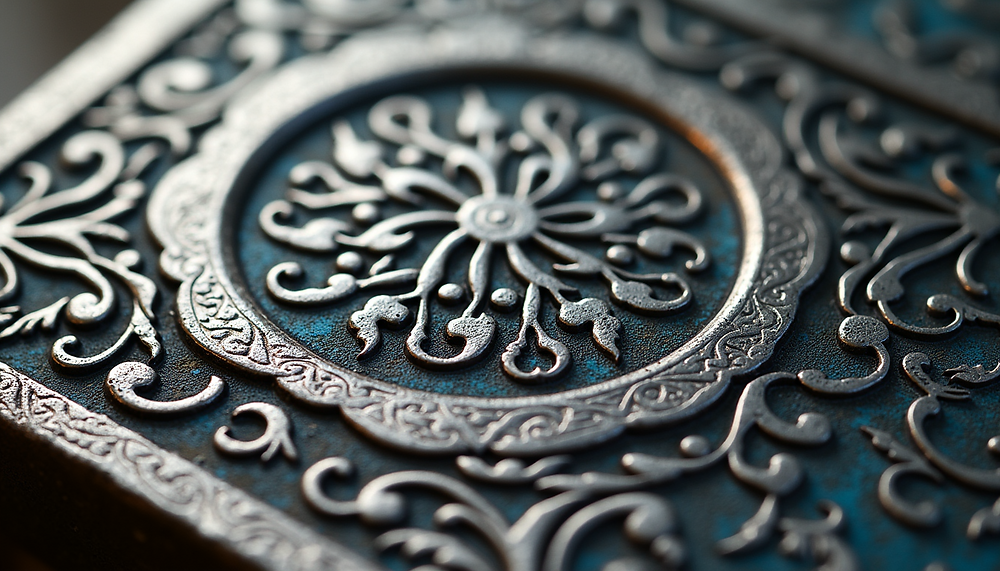
Mahmud’s work often features linear silver inlay, a technique that involves embedding fine silver lines into metal surfaces. This method was common in Islamic metalwork but was adapted by Mahmud to fit European forms. The result is a unique blend that feels both familiar and exotic to viewers from either tradition.
Key Characteristics of Mahmud’s Work
Mahmud’s creations share several defining features that make his style instantly recognizable:
European shapes combined with Islamic decoration: Mahmud used familiar European forms such as plates, bowls, and pitchers but decorated them with intricate arabesque patterns typical of Islamic art.
Linear silver inlay: This technique creates delicate, flowing lines that contrast with the solid metal background, adding depth and texture.
Unconventional arabesque designs: Unlike traditional Islamic arabesques, Mahmud’s patterns often show new twists and variations, reflecting his personal artistic vision.
Influences from Timurid and Mamluk metalwork: His designs share similarities with metalwork from Central Asia and the Middle East, showing a broad cultural influence.
These elements combined to form a style that was innovative yet respectful of tradition.
Mahmud the Kurd’s Artistic Legacy
Mahmud’s work is considered foundational for the Veneto-Saracenic style. Art historians recognize him as one of the leading craftsmen who introduced this fusion of East and West. His pieces are not only beautiful but also historically significant, illustrating how art can serve as a bridge between cultures.
Tahera H. Tajbhai, a respected scholar, highlights Mahmud’s skill in creating designs that are both innovative and rooted in Mamluk tradition. This balance helped his work stand out and influenced other artists in the region.
Examples of Mahmud’s Work and Influence
Several surviving pieces attributed to Mahmud the Kurd demonstrate his mastery:
Silver bowls and trays: These often feature European shapes with detailed silver inlay arabesques, combining functionality with artistic elegance.
Decorated pitchers and ewers: These vessels show a blend of Venetian form and Islamic decoration, used both for practical purposes and as display items.
Metal plaques and panels: Some of Mahmud’s work includes decorative panels that may have adorned furniture or architectural elements, showcasing his versatility.
His style influenced not only Venetian artisans but also metalworkers in the Islamic world, who adopted some of his innovations.
The Cultural Context Behind the Style
The Veneto-Saracenic style reflects the dynamic cultural exchanges of the late medieval period. Venice’s position as a trading power brought it into contact with the Islamic world, including regions ruled by the Timurid dynasty and the Mamluks. These interactions went beyond commerce, affecting art, architecture, and craftsmanship.
Mahmud the Kurd’s work embodies this cultural dialogue. By blending European and Islamic elements, he created objects that appealed to diverse audiences and symbolized the interconnectedness of different societies.
Why Mahmud the Kurd’s Work Matters Today
Studying Mahmud’s work helps us appreciate how art can transcend cultural boundaries. His ability to merge styles shows that creativity thrives when different traditions meet and interact. For modern artists and designers, Mahmud’s legacy offers inspiration to explore cross-cultural influences and develop new forms.
Collectors and museums value Mahmud’s pieces for their beauty and historical importance. They provide tangible evidence of a rich artistic exchange that shaped the visual culture of both Europe and the Islamic world.
Preserving and Celebrating Mahmud’s Art
Efforts to preserve Mahmud the Kurd’s work include careful restoration and scholarly research. Museums that hold his pieces often highlight their unique style and historical context, helping the public understand their significance.
Exhibitions focusing on Veneto-Saracenic art bring attention to this fascinating fusion style and encourage further study. By sharing Mahmud’s story, these initiatives keep his artistic vision alive for future generations.