Al-Malik al-Amjad Bahramshah belonged to the Ayyubid ruling family and governed Baalbek after his father Farrukh Shah. Historical biographies remember a poet as well as a ruler, while the Amjadiyya connects his legacy with education and burial in Damascus.
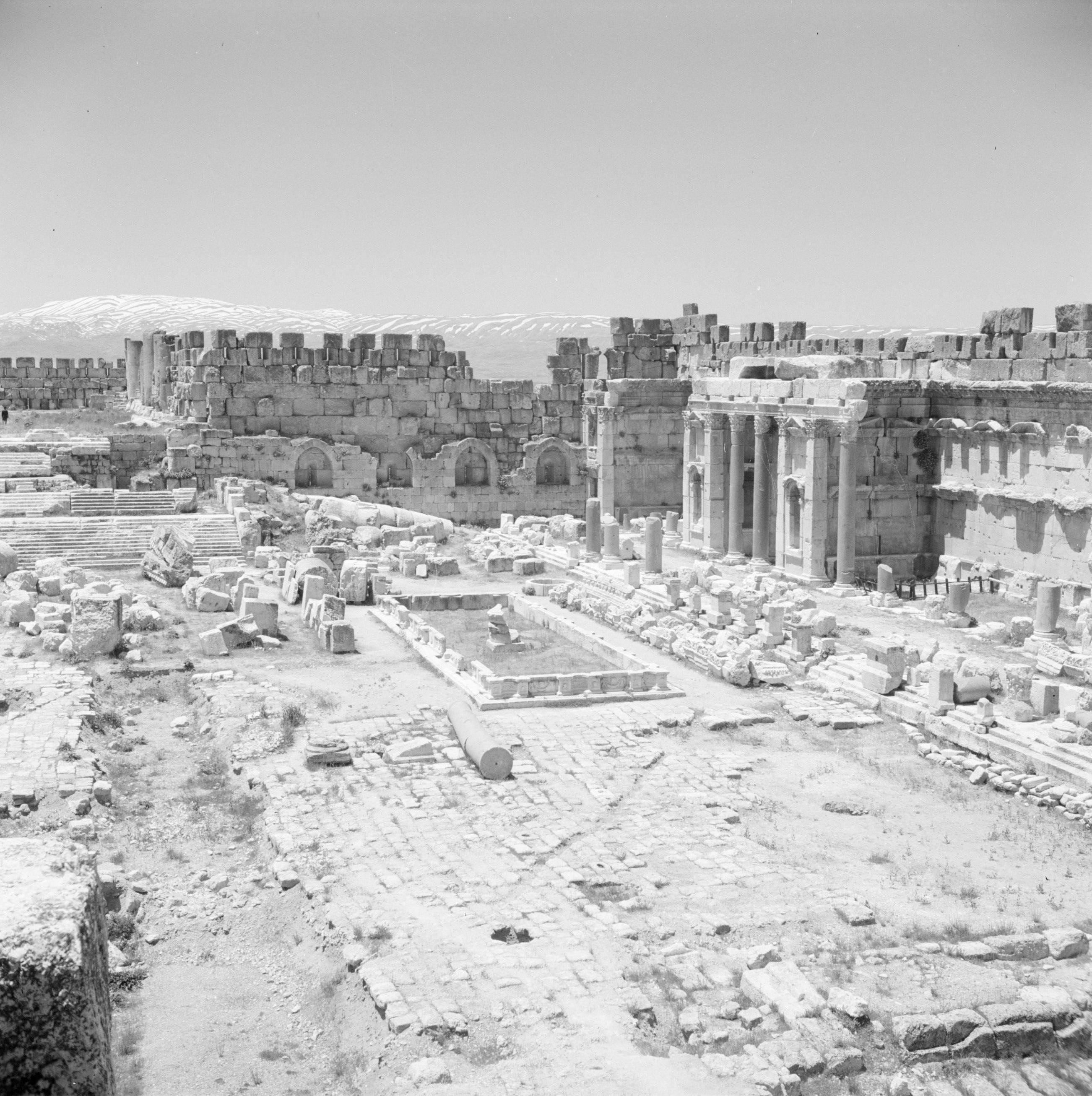
Identify the Ayyubid ruler through his family
Al-Dhahabi’s biography names al-Malik al-Amjad Majd al-Din Abu al-Muzaffar Bahramshah as the son of Farrukh Shah, son of Shahanshah, son of Ayyub. It says Saladin confirmed his possession of Baalbek after his father. [1] The Communities of Knowledge scholarly index also identifies this Ayyubid ruler and links him to references in Ibn Abi Usaybiʿa’s History of the Physicians. [2] The genealogy is essential when distinguishing him from other rulers called Bahramshah. A source on a Ghaznavid namesake cannot establish this emir’s career.
Baalbek: a long rule within a contested dynasty
Al-Nuʿaymi’s collection preserves an account placing his succession in 578 AH/1182–83 and the loss of Baalbek in 627 AH/1229–30. Other passages describe his tenure in round terms as fifty years. [3] Al-Dhahabi says al-Ashraf Musa overcame him, transferred Baalbek to his brother al-Salih, and that Bahramshah moved to Damascus. [1] These accounts establish a long local rule and its termination through Ayyubid rivalry. They do not provide evidence for an uninterrupted period of prosperity or for his personal command at every campaign associated with Saladin.
A poet remembered in biographical writing
Al-Dhahabi praises Bahramshah’s poetry and mentions a diwan, a collected body of verse. [1] Al-Nuʿaymi transmits further literary testimony and examples: one poem concerns a youth cutting branches, while a short composition reflects on a life spent in distraction and the impossibility of a second lifetime. [3] These excerpts give his literary reputation identifiable content. They are verses attributed to him within historical compilations, rather than a newly authenticated manuscript of his complete poetry. Ruler, patron and poet were overlapping roles in this record.
The killing in Damascus: retain the calendar uncertainty
Al-Dhahabi places his killing by one of his mamluks in Shawwal 628 AH, within 1230–31 CE. Al-Nuʿaymi gathers accounts agreeing on 628 AH alongside an Ibn Shaddad report giving Safar 629 AH. [1][3] A precise Gregorian death date therefore needs a specified source and conversion, rather than an unqualified repetition of 1230. The accounts also differ in details of his burial and the surrounding narrative. They consistently associate his final period with Damascus after the loss of Baalbek.
The Amjadiyya: a will, a son and a teaching institution
Adil N. Abbu’s architectural study discusses the adjacent Farrukhshahiya and Amjadiyya funerary buildings in Damascus. Drawing on historical accounts, he attributes the Amjadiyya madrasa to Bahramshah’s son al-Muzaffar Nur al-Din Umar, using money provided in his father’s will. He identifies the southern domed building with Bahramshah’s turba. [4] Al-Nuʿaymi’s account also names teachers, beginning with Rafiʿ al-Din al-Jili. [3] This is a specific educational and commemorative legacy. Abbu’s observations date to his 1973 study and should not be treated as a report of the buildings’ present condition.
Sources and further reading
- Al-Dhahabi, Siyar Aʿlam al-Nubalaʾ, vol. 22, al-Amjad entry; original medieval Arabic biography, electronic transcription at Islamweb.
- Communities of Knowledge, scholarly person index 1457, al-Malik al-Amjad Bahramshah, published 23 June 2021; identity and references to Ibn Abi Usaybiʿa.
- Abd al-Qadir al-Nuʿaymi, al-Daris fi Tarikh al-Madaris, vol. I, al-Madrasa al-Amjadiyya, printed pp. 126–129; medieval Arabic compilation, electronic transcription.
- Adil N. Abbu, The Ayyubid Domed Buildings of Syria, vol. I, PhD thesis, University of Edinburgh, February 1973, pp. 118–120; family tombs, foundation and historical dating.
- Willem van de Poll, Baalbek ruins and citadel, 1950, Nationaal Archief image 255-6476, CC0 1.0, Wikimedia Commons.