Hosam al-Din Ali Bitlisi Nurbakhshi (died 1494/95) was a Kurdish Sufi author and scholar, a leading figure in the Nurbakhshi order in Kurdistan and Luristan, and the father of the celebrated Ottoman Kurdish historian Idris Bitlisi. He is primarily known through his surviving written works and through his son’s fame, though the Encyclopaedia Iranica confirms he was an important transmitter of the Nurbakhshi tradition in his own right.
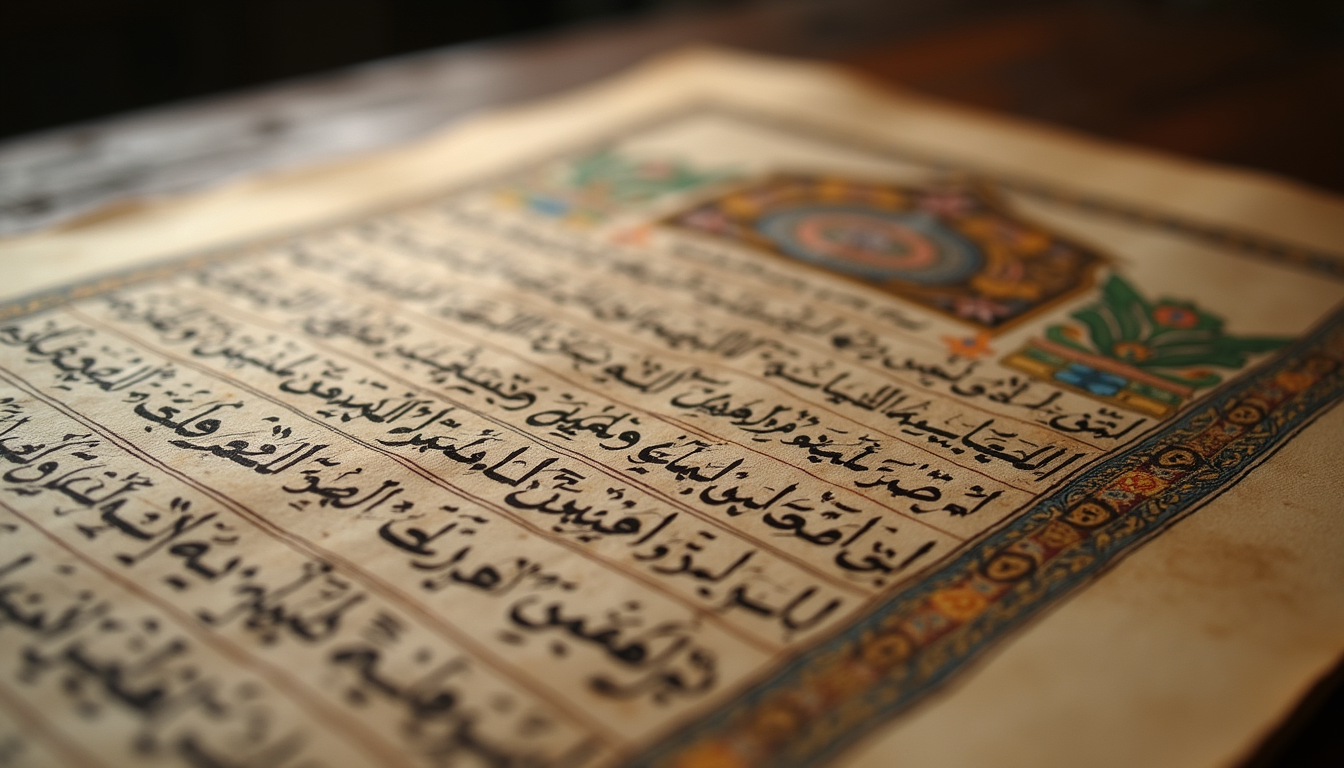
Table of Contents
Background and Kurdish Identity
Background and Kurdish Identity
Almost nothing is known about Hosam al-Din’s early life. The Encyclopaedia Iranica entry by Tahsin Yazici notes that no biographical details survive, but that his works demonstrate he was well-educated and fluent in both Arabic and Persian. He took his name from Bitlis, the historic Kurdish city in what is today eastern Turkey, which also gave its name to his son. He appears to have been active primarily in the areas of Bitlis, Tabriz, and the broader Kurdish highland region.
The Nurbakhshi Order
The Nurbakhshiyya was a Sufi order that emerged as a branch of the Kubrawiyya — the tradition founded by the mystic Najm al-Din Kubra (died 1221). Its specific form was shaped by Muhammad Nurbakhsh (died 1465), who gave it his name and established its distinctive character. Hosam al-Din Ali Bitlisi became a follower of Muhammad Nurbakhsh and is considered likely to have eventually succeeded him as the effective head of the order in the Kurdish and Lurish regions.
According to Turkish academic sources, he was promoted to the position of khalifa (spiritual deputy) within the order and was instrumental in spreading the Nurbakhshi tradition through Kurdistan and Luristan. He built a dervish lodge (tekke) in Tabriz and dedicated much of his life to spiritual guidance and teaching.
His Works
Hosam al-Din Ali Bitlisi left five documented works recorded in the Encyclopaedia Iranica. In Persian: Sharh-e Golshan-e raz (a commentary on the mystical poem “Rose Garden of Mystery”), Atwar-e sabʼa-ye qalb (on the seven stations of the heart), and Kalemat va Maqalat (sayings and discussions). In Arabic: Jame al-tanzil wa taʻwil (on Quranic interpretation) and Sharh-e estelahat al-sufiya (a commentary on Sufi terminology). These works cover the core disciplines of Sufi learning — Quranic exegesis, mystical terminology, and spiritual psychology.
Historical Context
Hosam al-Din lived and worked during the tumultuous final century of the Aq Qoyunlu state and the rise of the Safavids. For the Nurbakhshi order in Kurdistan, this was a period requiring careful navigation: the order’s Shia-adjacent spiritual orientation and its Kurdish and Lurish base placed it in a complex position as Sunni Ottoman and Shia Safavid power expanded from opposite directions. He died in Bitlis in 1494/95, the same decade in which his son Idris began his career at the Aq Qoyunlu court.
Legacy
Hosam al-Din Ali Bitlisi’s most documented legacy is his son. Idris Bitlisi’s full name — Mevlana Hakimeddin Idris Mevlana Hüsameddin Ali-ül Bitlisi — incorporates his father’s name and title, signalling that Hosam al-Din’s scholarly reputation was something to be acknowledged and honoured. The Nurbakhshi order Hosam al-Din served continued to be significant in Kurdistan for generations after his death, though it was gradually overshadowed by the Ottoman-aligned Naqshbandi tradition in the following centuries.
Frequently Asked Questions
Who was Hosam al-Din Ali Bitlisi?
He was a Kurdish Sufi scholar and author, a leading figure of the Nurbakhshi order in Kurdistan and Luristan, and the father of the Ottoman historian Idris Bitlisi. He died in Bitlis in 1494/95.
What were his main works?
Five works are documented: in Persian, Sharh-e Golshan-e raz, Atwar-e sabʼa-ye qalb, and Kalemat va Maqalat; in Arabic, Jame al-tanzil wa taʻwil and Sharh-e estelahat al-sufiya. All are within the Sufi scholarly tradition of Quranic commentary, mystical terminology, and spiritual ethics.
What was the Nurbakhshi order?
The Nurbakhshiyya was a Sufi order founded as a branch of the Kubrawiyya by Muhammad Nurbakhsh (died 1465). It was particularly active in Kurdistan, Luristan, and Azerbaijan, and had a Shia-adjacent spiritual character that distinguished it from the dominant Sunni Sufi orders of the period.
References
Tahsin Yazici, “Hosam al-Din Ali Bitlisi Nurbakhshi,” Encyclopaedia Iranica, Vol. XII, Fasc. 5, p. 490 — the principal source for this entry.
Shahzad Bashir, Messianic Hopes and Mystical Visions: The Nurbakhshiya Between Medieval and Modern Islam, University of South Carolina Press, 2003.
Wikipedia, “Hosam al-Din Ali Bitlisi,” citing Yazici / Encyclopaedia Iranica.