Sarhang Almas Khan, known in Kurdish as ئەڵماس خانی کەنۆڵەیی (Serheng Elmas Xan), stands as a towering figure in Kurdish literary history. Born in the village of Kenule in Kermanshah during the era of the Zand dynasty, he transformed the oral tradition of the Kurdish Shahnameh into a written masterpiece. His work, composed in the Gorani dialect, preserved and enriched Kurdish cultural heritage for generations to come.
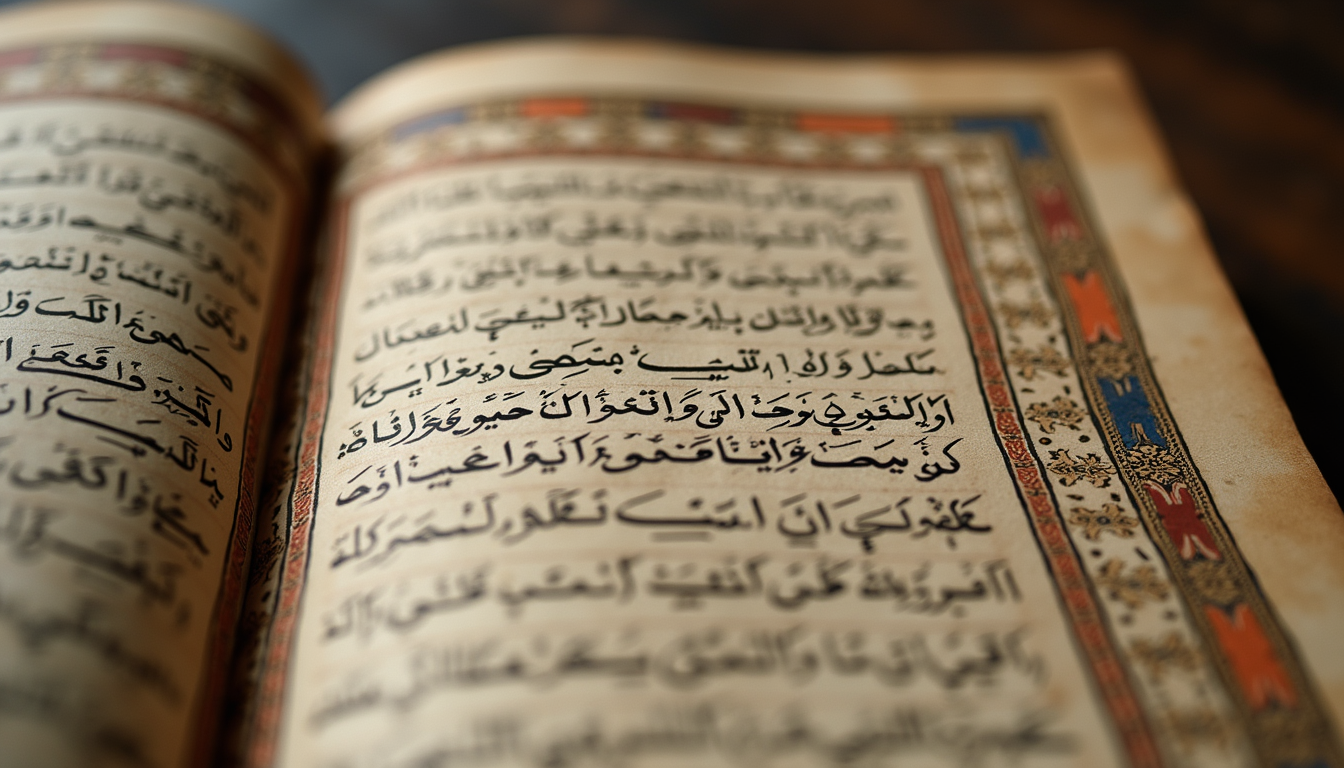
📖 The Pen of the People: Sarhang Almas Khan and the Written Kurdish Shahnameh
Sarhang Almas Khan of Kenuleh (fl. late 18th century) stands as a monumental figure in Kurdish cultural history. At a time when the Kurdish people were dominated by great Persian and Ottoman empires, and their epic traditions existed precariously within the fluid medium of oral performance, Almas Khan undertook an act of profound cultural preservation: he transcribed the sprawling Kurdish Shahnameh into the Gorani dialect. This was not merely an act of transcription; it was a literary and political maneuver that transformed fragile folklore into an indelible national testament.
Born into the vibrant, culturally rich region of Kermanshah during the unstable period of the Zand dynasty (1750–1794), Almas Khan recognized the vulnerability of an unwritten cultural heritage. His work ensured that the tales of Kurdish heroes, myths, and history—previously vulnerable to loss, distortion, or appropriation—would survive as a structured, poetic, and permanent expression of Kurdish identity, forever linking the Gorani dialect to the highest form of epic literature.
🎭 I. The Oral Tradition and the Imperative to Write
Almas Khan emerged from a society where literature and history were transmitted primarily through the voice, a system both vital and inherently fragile.
A. The Kurdish Shahnameh: A Parallel Epic
The term Kurdish Shahnameh refers not to a translation of Ferdowsi’s Persian masterpiece, but to a vast, independent cycle of heroic epics and historical narratives indigenous to the Kurdish-speaking regions, particularly those centered in the Gorani literary sphere (Kermanshah, Ardalan).
The oral tradition was maintained by dengbêj (Kurdish minstrels) and bexşî (storytellers) who performed these verses in villages, court gatherings, and celebrations. Key differences from the Persian epic included:
Focus on Local Heroes: The Kurdish version often centered on figures distinct from the Persian pantheon, emphasizing the deeds of legendary Kurdish ancestors, reflecting local tribal history, and incorporating specifically Kurdish myths and legends.
Gorani as the Medium: The chosen language for this epic cycle was primarily Gorani, a dialect whose sophisticated poetic structure made it ideal for lengthy metrical recitation.
B. The Vulnerability of the Oral Word
By the late 18th century, the oral tradition was facing existential threats:
Political Instability: The constant warfare and regime changes (Zand to Qajar) led to the dissolution of courts and patronage networks that supported professional storytellers.
Imperial Pressure: The rising dominance of Persian (as the imperial administrative language) and the cultural prestige of Ferdowsi’s work threatened to overshadow or assimilate the distinct Kurdish epic.
Loss through Time: Oral traditions are fluid, dependent on the memory and skill of the reciter. Without a fixed text, variations and eventual loss were inevitable.
Almas Khan's decision to capture this flowing river of narrative in the fixed vessel of the written word was an act of profound cultural triage—a desperate but necessary attempt to secure the heritage of his people against the forces of decay and assimilation.
🖋️ II. The Linguistic and Literary Significance of Gorani
Almas Khan's choice of the Gorani dialect for his transcription was a powerful statement that situated his work within a specific, prestigious Kurdish literary lineage.
A. Gorani: The Dialect of the Elites
As seen with his contemporary, Khana Qubadi, the Gorani dialect (along with Hawrami) held immense prestige in Kurdish literature for centuries, serving as the language of high culture, religion, and Sufi poetry across the central and southern Kurdish regions (Ardalan, Kermanshah).
Classical Structure: Gorani possessed the metrical rigidity and vocabulary necessary to adhere to the classical Aruz (quantitative) meters, making it the dialect best suited to rival the Persian Shahnameh in formal structure.
Preservation and Prestige: By using Gorani, Almas Khan not only preserved the dialect but also reaffirmed its status as the legitimate literary language of the Kurdish elite, countering any notion that Kurdish was merely a collection of unsophisticated vernaculars.
B. The Art of the Scribe-Poet
Almas Khan’s task was not simple dictation. He was a scribe-poet, performing a complex artistic and editorial function:
Standardization: He had to choose between numerous oral variations of the tales, creating a standardized, authoritative text for future generations.
Poetic Structuring: He organized the fluid narratives into a formal masnavi (epic structure of rhyming couplets), imposing the rigorous discipline of classical Persian poetic form onto the Gorani vernacular tradition.
Linguistic Purity: His verse is celebrated for its clarity and rhythm, demonstrating a deep commitment to maximizing the expressive power of Gorani while absorbing and adapting the technical complexity of Persian literary influence.
The result was a work that was both fundamentally Kurdish in content and classically Persianate in form, making it a unique bridge between two great literary civilizations.
⚔️ III. Content and Themes: The Soul of Kurdish Society
The written Kurdish Shahnameh is a vital ethnographic and historical record, reflecting the core values and geopolitical memory of the Kurdish people.
A. Heroes, Honor, and Loyalty
The epic is replete with characters and episodes that define the ethical framework of Kurdish society:
Bravery and Martial Skill: Detailed descriptions of battles, individual duels, and military campaigns emphasize the martial tradition of the mountain people, where honor and defense of the homeland are supreme virtues.
Moral and Political Lessons: The stories often serve as didactic tools, exploring themes of justice, kingship, and betrayal. They provide a framework for evaluating the conduct of leaders, reflecting the turbulent politics of the Kurdish principalities.
Geographical Memory: The epics are deeply rooted in the geography of Kurdistan. Descriptions of battles and heroic journeys serve as a collective map and memory of the Kurdish heartland, reinforcing the people's connection to the land.
B. The Comparison to Ferdowsi's Shahnameh
While similar in spirit—both being national foundation epics—the Kurdish Shahnameh provides a crucial distinction in narrative identity:
Feature | Ferdowsi's Persian Shahnameh | Sarhang Almas Khan's Kurdish Shahnameh |
Primary Theme | The rise and fall of ancient Iranian kings and the conflict between Iran and Turan (Zoroastrian and pre-Islamic history). | The deeds of Kurdish tribal heroes, local legends, and genealogies of the Kurdish ruling houses. |
Linguistic Goal | Preservation of Persian from Arabic influence. | Preservation of the Gorani/Kurdish dialect from Persian dominance. |
Cultural Stance | Focus on imperial, centralized power. | Focus on tribal honor, local autonomy, and resistance. |
By writing this distinct epic, Almas Khan ensured that the Kurdish people retained their own foundational narrative, one that reflected their specific historical experiences and political aspirations, separate from the imperial narratives of their neighbors.
📉 IV. The Political Context of the Written Word
Almas Khan’s work unfolded against a background of imperial transition that underscored the urgency of his task.
A. The Instability of the Zand Era
The Zand dynasty (1750–1794), centered in Shiraz, briefly reunified parts of Iran but their control over the Kurdish regions was never absolute.
Limited Patronage: Unlike the glorious Safavid period, the Zand era offered less consistent imperial patronage for regional literature. This meant that the task of cultural preservation fell heavily upon local figures like Almas Khan.
The Shadow of the Qajars: As the Zand dynasty collapsed and the powerful Qajar dynasty (1794–1925) rose, central power was violently reasserted. This new, aggressive centralization meant that the autonomy of regional languages and cultures was placed under severe pressure, making Almas Khan’s completed work a crucial lifeline for Kurdish identity on the eve of Qajar dominance.
B. Legacy and Cultural Impact
Sarhang Almas Khan’s work became a cornerstone for modern Kurdish cultural movements:
Literary Foundation: His written text served as a syllabus of national history and poetry, providing a common, standardized source for later Kurdish writers, particularly those who continued to work within the Gorani sphere.
Symbol of Identity: The Kurdish Shahnameh became a potent symbol of Kurdish resilience, demonstrating that the people possessed a literary heritage as deep and grand as that of the empires surrounding them.
The Power of Kenuleh: His identity as Almas Khan-e Kenuleh (from the village of Kenuleh) ties this monumental literary achievement directly to the simple, rural heartland of the Kurdish people, enhancing its authenticity and popular appeal.
💡 V. Conclusion: The Preservation of Cultural Memory
Sarhang Almas Khan’s contribution transcends mere literary cataloging; it is an act of cultural salvation. By mastering the tools of the scribal tradition—precision, meter, and structure—he ensured that the heroic spirit and historical memory of his people would survive the collapse of the principalities and the pressures of imperial rule.
His work highlights the profound lesson that in the face of political marginalization, the written word becomes the ultimate sanctuary of national identity. The Kurdish Shahnameh, committed to paper by Almas Khan, remains a vital link to the past and an enduring source of inspiration, teaching generations of Kurds about the values and history that define their enduring heritage.
References: