Fadl ibn Mahmud remains a significant figure in Islamic history, yet his contributions often receive less attention than those of other prominent leaders and scholars. Understanding his legacy offers valuable insight into the political, cultural, and religious developments of his time. This post explores who Fadl ibn Mahmud was, his role in shaping Islamic history, and the lasting impact of his actions and policies.
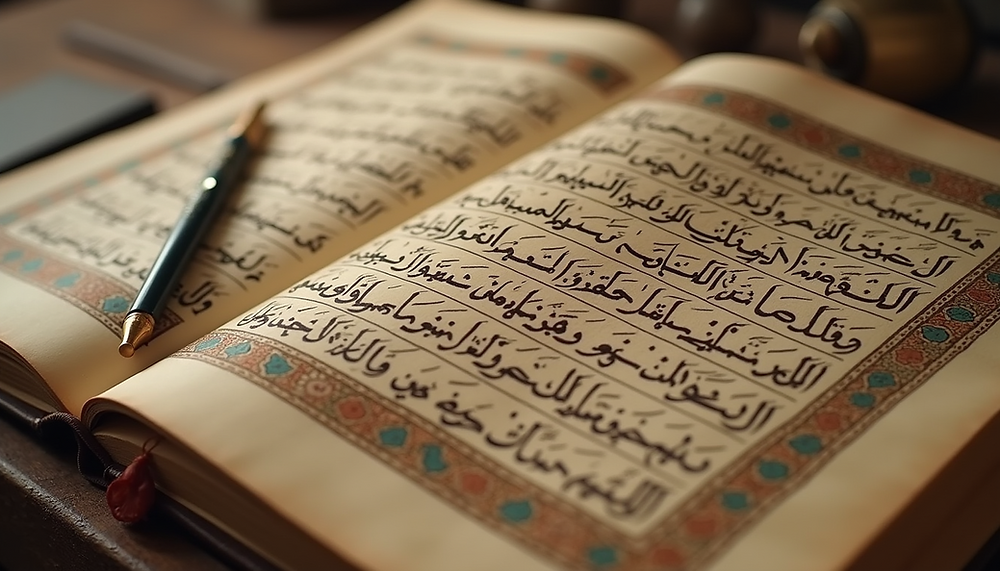
Who Was Fadl ibn Mahmud?
Fadl ibn Mahmud was a ruler and influential figure during the medieval Islamic period. His leadership coincided with a time of significant political shifts and cultural flourishing in the Islamic world. While exact dates and details about his life vary across sources, it is clear that he played a crucial role in governing and supporting Islamic institutions.
He belonged to a lineage of rulers who balanced military strength with patronage of the arts and religious scholarship. This combination helped stabilize regions under his control and promoted intellectual growth.
Political Contributions and Governance
Fadl ibn Mahmud’s governance was marked by efforts to consolidate power and maintain stability in a region often challenged by internal conflicts and external threats. His political strategies included:
Strengthening administrative systems: He improved tax collection and legal frameworks to ensure efficient governance.
Building alliances: Through marriages and treaties, he secured alliances that helped protect his territories.
Military campaigns: He led or supported military actions to defend his realm from rival factions and invaders.
These actions helped create a relatively stable environment that allowed trade and culture to thrive.
Support for Islamic Scholarship and Culture
One of Fadl ibn Mahmud’s most enduring legacies lies in his support for Islamic scholarship. He recognized the importance of knowledge and religious learning for the strength of his society. His contributions included:
Patronage of scholars: He provided financial support and protection to theologians, jurists, and philosophers.
Establishment of madrasas: Under his rule, educational institutions flourished, offering instruction in Islamic law, theology, and sciences.
Promotion of arts: Calligraphy, architecture, and literature received encouragement, leading to cultural achievements that reflected Islamic values.
These efforts helped preserve and expand Islamic intellectual traditions during a critical period.
Impact on Religious Thought and Practice
Fadl ibn Mahmud’s influence extended into religious life. His support for orthodox Sunni Islam helped shape religious practices and legal interpretations in his region. He:
Encouraged the study and application of Islamic jurisprudence.
Supported religious scholars who contributed to the development of Islamic law.
Promoted unity among Muslim communities by addressing sectarian tensions.
His role in reinforcing religious institutions contributed to the cohesion and identity of Muslim societies under his rule.
Challenges and Controversies
Like many historical figures, Fadl ibn Mahmud faced challenges and controversies. Some sources mention disputes with rival factions and difficulties in maintaining control over distant provinces. Additionally, balancing military needs with cultural patronage sometimes strained resources.
Despite these challenges, his ability to navigate complex political landscapes and maintain his authority speaks to his skills as a leader.
Legacy and Historical Significance
Fadl ibn Mahmud’s legacy is visible in several areas:
Political stability: His governance model influenced subsequent rulers in the region.
Cultural achievements: The institutions and arts he supported left a lasting imprint on Islamic civilization.
Religious unity: His efforts helped strengthen Sunni orthodoxy during a time of diverse religious currents.
Modern historians view him as a figure who contributed to the continuity and development of Islamic society during a period of transition.