Hilvan’s history can be traced through local settlement accounts, the 1926 district law, archaeological inventories and the changing Euphrates landscape.

Hilvan, Karacurun and Curnê Reş
Hilvan is a town and district north of Şanlıurfa, on the road toward Diyarbakır. A 2021 municipal feasibility study places it southeast of the Atatürk reservoir and southwest of the Siverek plateau. The study records the name Cırne Reş beside Karacurun and associates the name with a basalt mortar used for grain processing. Curnê Reş is a Kurdish spelling of the name. [1] The municipality’s historical account places the modern village’s development around 1820, when pastoral groups settled there. This is a local account of the recent settlement, not the beginning of all human occupation in the district. [2]
A district established in 1926
The administrative change has a contemporary written record. Law no. 877, dated 30 May 1926 and published in Resmî Ceride no. 404 on 26 June 1926, lists Hilvan under Urfa among newly established districts in schedule 4. The distinction between the law’s date and publication date explains why both May and June appear in accounts of the change. The document provides a firmer chronological marker than an undated claim that Hilvan has always had its present administrative position. It concerns the district, not the age of every village within it. [3]
What a local mound actually preserves
The Şanlıurfa governorate’s cultural inventory records Kantara Höyük in Karacurun neighbourhood as a low mound surrounded by agricultural land. Its recorded dimensions are about 220 by 245 metres, with a surviving height around 2.3 metres. Surface observations include medieval glazed and unglazed pottery, Late Antique roof-tile fragments and pieces of flint tools. The inventory also notes that cultivation has reduced the mound’s height. These are specific observations of material on a damaged site; they should not be expanded into an invented sequence of named rulers or an exact foundation date. [4]
Nevalı Çori and rescue archaeology
The wider Euphrates landscape contains a much earlier history. Archaeologist Mehmet Özdoğan recalls that Hans Georg Gebel noted Nevalı Çori in 1980 during work connected with Hauptmann’s Lidar project. Hauptmann’s excavations there ran, with interruptions, from 1983 to 1991, before reservoir waters inundated the site. Özdoğan emphasizes its Pre-Pottery Neolithic buildings and carved representations, which challenged assumptions about early settlement and social complexity in southeastern Anatolia. This regional prehistory is not evidence that the modern town of Hilvan already existed under that name in the Neolithic. [5]
Dance, harvest and the modern shoreline
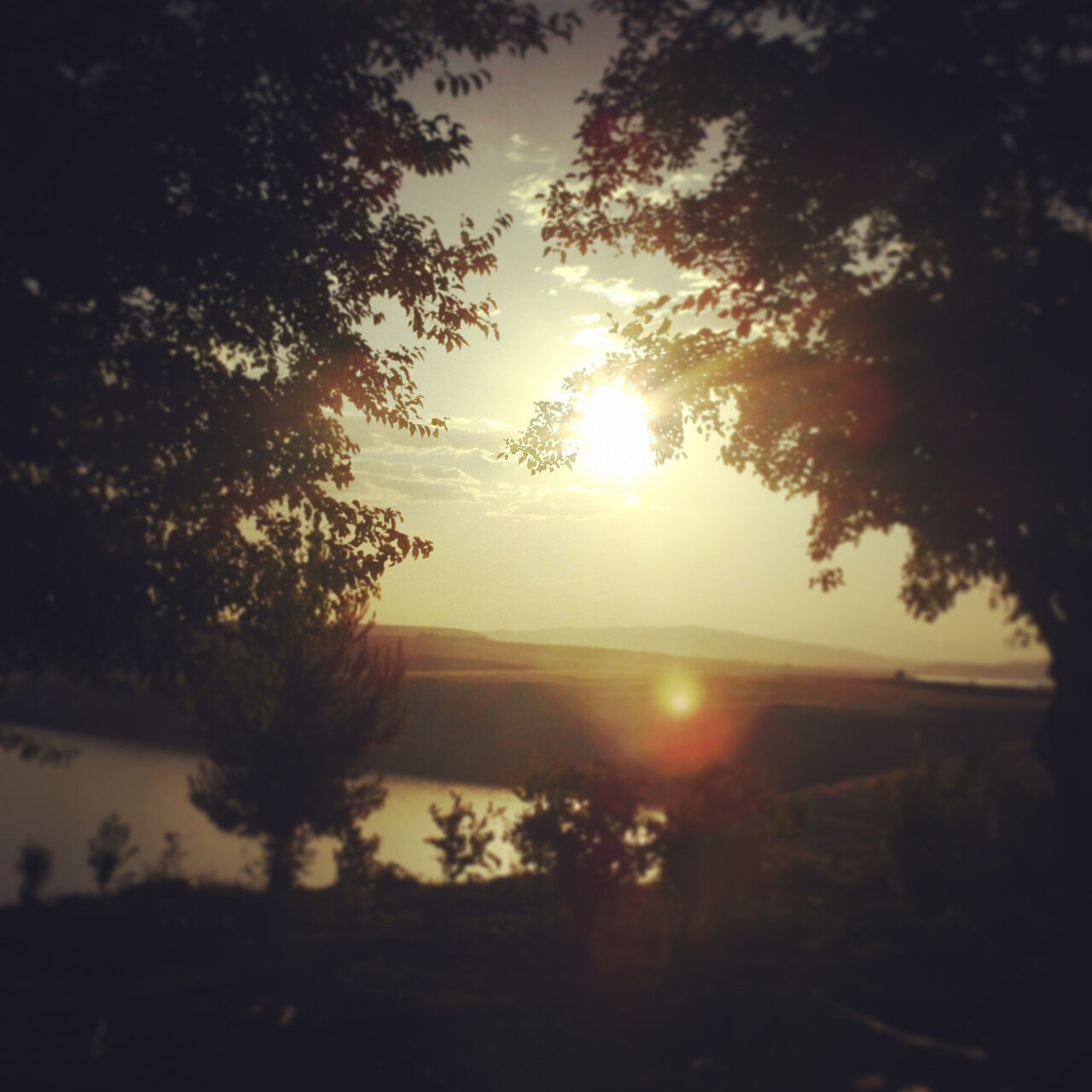
The district governorate describes local halay traditions commonly accompanied by davul and zurna. Its account of the Kımıl dance connects its movements with remembered struggles against crop-damaging insects and the vulnerability of a wheat harvest. That is a specific connection between farming and performance, beyond a generic description of the district as “tribal country.” [6] Contemporary planning also reflects the reservoir setting: the 2021 Hoşin feasibility study proposed accommodation, food service and camping. A feasibility document establishes what was planned, rather than confirming that those facilities are now operating. [1] The accompanying photograph records one modern river landscape, not the location of an excavated building. [7]
Sources and further reading
- Hilvan Municipality, Hoşin Turizmle Can Buluyor feasibility study, prepared by CEO Danışmanlık with Karacadağ Development Agency support, 30 September 2021, especially pp. 32–35.
- Hilvan Municipality, Hilvan İlçe Tarihçesi; local account of Karacurun’s nineteenth-century settlement.
- Grand National Assembly of Turkey, Teşkilâtı mülkiye kanunu, law 877, 30 May 1926; Resmî Ceride 404, 26 June 1926, pp. 932–935, especially schedule 4 on p. 934.
- Şanlıurfa Governorate, Şanlıurfa Kültür Atlası, Kantara Höyük inventory entry, published 2026.
- Mehmet Özdoğan, Harald Hauptmann: Eminent Scholar and Good Friend, Neo-Lithics 18 (2018), 38–41, especially 39–41; first-hand archaeological recollections.
- Hilvan District Governorate, Geleneklerimiz Göreneklerimiz; local dances and Kımıl harvest narrative.
- PeerLess, Hilvan / Fırat photograph, 5 January 2014 according to EXIF, Wikimedia Commons, CC BY-SA 3.0.