Abū al-Fidāʾ, also known as Abulfeda, was an extraordinary figure during the Mamluk era. His roles as a geographer, historian, and local governor of Hama have profoundly impacted geography and history. Born in November 1273 in Damascus, his life witnessed a blend of military endeavors and scholarly work. This post explores Abū al-Fidāʾ’s early years, military engagements, and key contributions that shaped our understanding of geography and history.
Early Life and Background
Born into a notable Kurdish family, Abū al-Fidāʾ had a legacy of leadership; his father, Malik ul-Afdal, was linked to Emir Al-Mansur Muhammad II of Hama. Fleeing the Mongol invasions, this family settled in Damascus, where Abū al-Fidāʾ grew up against a backdrop of political unrest.
From a young age, he committed himself to studying the Qur'an and various sciences. By age twelve, however, he was drawn into military campaigns against the Crusaders, marking a pivotal shift from scholarly pursuits to military service. His early exposure to conflict not only shaped his future but also influenced the depth of his writings.
Military Engagements
Abū al-Fidāʾ’s military career took off when he participated in the 1285 siege against the Knights of St. John, showcasing his bravery. He played a vital role in key sieges of Tripoli, Acre, and Qal'at ar-Rum, vital strongholds that were essential to the defense of the Islamic world against Crusader forces.
His service was not just about fighting; it was an education in geography. With each campaign, he gathered crucial insights into the landscapes of the regions he traversed. For instance, during the lengthy siege of Acre, he studied fortifications and the geographical advantages of the locale, which would inform his later maps and writings.
Transition to Governance
In 1298, Abū al-Fidāʾ joined the service of Mamluk Sultan Malik al-Nasir. His expertise caught the attention of the sultan, leading to a governor position in Hama after twelve years of dedicated military service. This role allowed him to leverage his military strategy into effective governance, an essential aspect of the Mamluk administration.
In 1312, he was honored with the title Malik us-Salhn, which marked his rising status. By 1320, he ascended to the hereditary title of sultan, known as Malik ul-Mu'ayyad. This recognition reflected not only his elevated position but also his significant contributions to the Mamluk state, with Hama flourishing under his governance.
Contributions to Geography and History
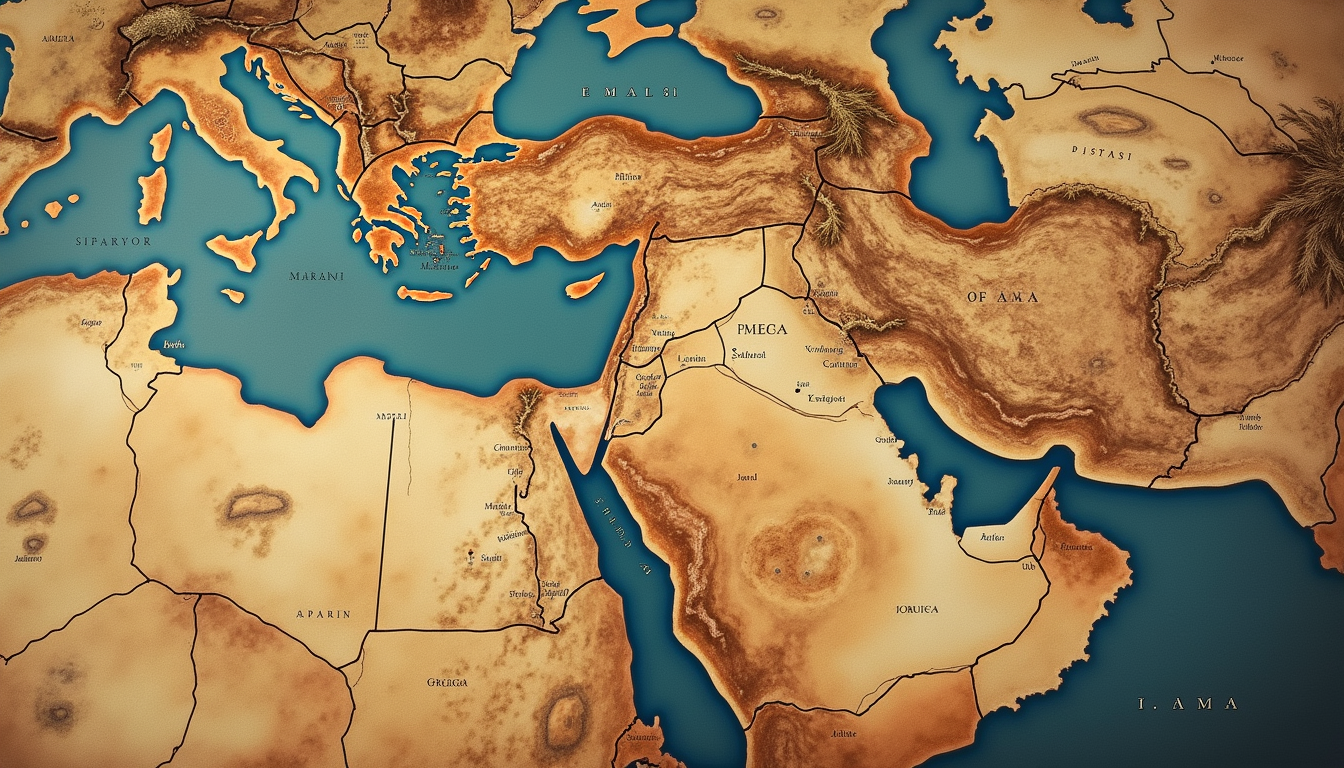
Abū al-Fidāʾ is most renowned for his work as a geographer and historian. His major work, the "Book of Geography," is a groundbreaking text that covers various regions and cultures within the Islamic world. Standout features include maps that incorporate precise details of cities and trade routes. This level of detail was revolutionary for the era, making the text an invaluable resource.
His writings were alive with personal narratives drawn from his military experiences. For example, his descriptions of the Mediterranean coast in the "Book of Geography" reveal insights into coastal fortifications, trade dynamics, and the diverse cultures he encountered. He recorded details about cities like Jaffa, emphasizing its role as a crucial port in trade routes.
Legacy and Influence
Abū al-Fidāʾ's legacy endures beyond his era. His meticulous approach to documenting geography and history has left a lasting impact on generations of scholars. His works are frequently cited in academic literature, underscoring his role as a pioneer.
Moreover, his life story illustrates the resilience of individuals during challenging times. Rising from a boy studying in Damascus to a well-respected military leader and governor, Abū al-Fidāʾ's journey is a testament to his character.
Reflecting on his life, we learn about the values of perseverance and adaptability. In periods marked by instability, his experiences remind us that knowledge and leadership can thrive.
Reflection on His Journey
Abū al-Fidāʾ's life is a profound exploration of a pivotal period in history. His military actions, governance, and significant writings highlight his dedication to his homeland and its narrative. His works shaped the intellectual landscape of his time, influencing future scholars and explorers.
Abū al-Fidāʾ's journey continues to inspire those who seek knowledge and understanding in a complex world. Through his life and legacy, we are encouraged to value our history while navigating the challenges of the present.
References
Abū al-Fidāʾ, "Book of Geography"
Historical accounts of the Mamluk era
Biographies of notable figures in Islamic history
Studies on the impact of geography in medieval scholarship
Research on the Ayyubid dynasty and its contributions to culture and science