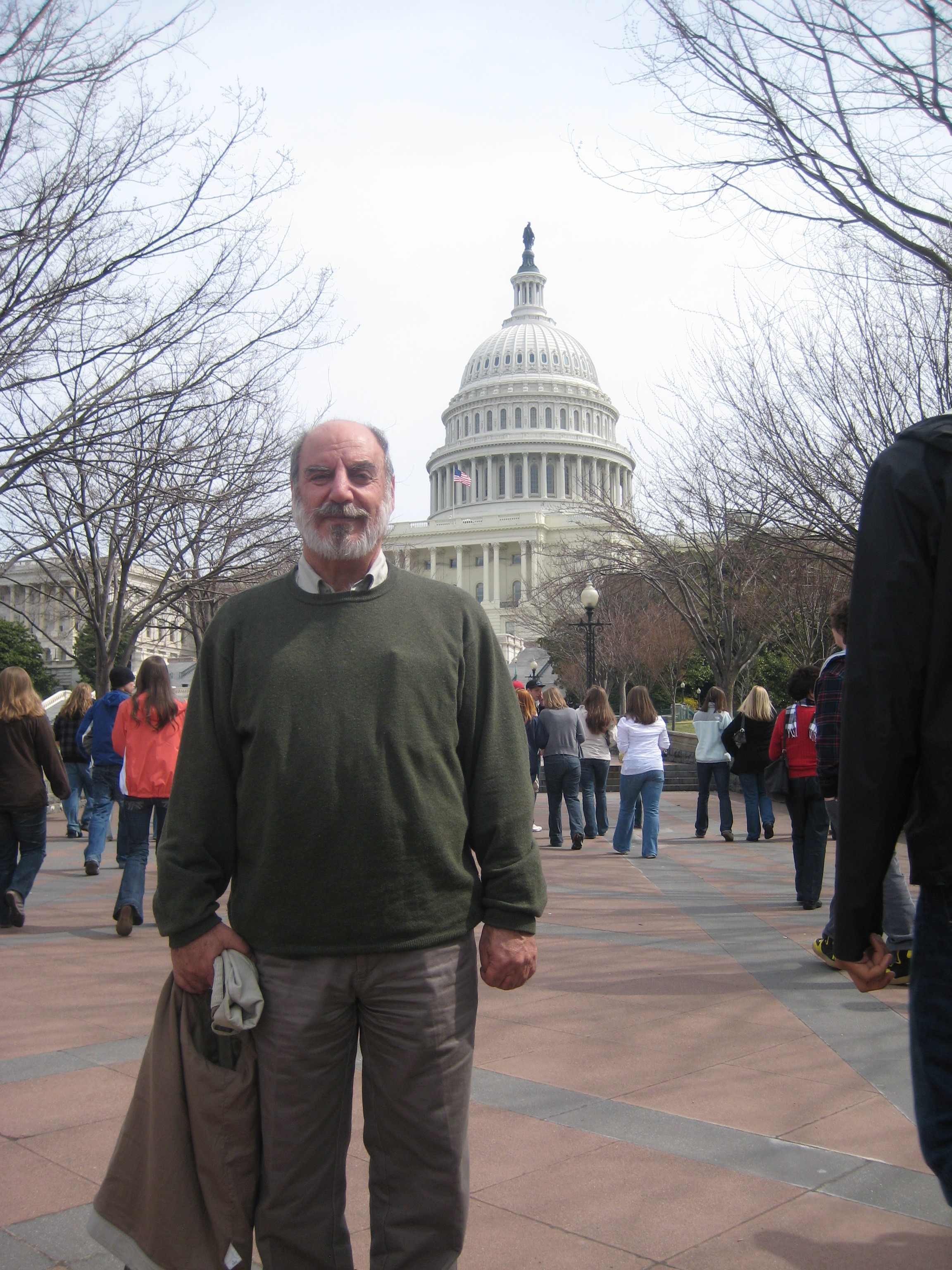
Born in Kûrekend in Armenia in 1941, Tosinê Reşîd combined scientific work with Kurdish poetry, prose and broadcasting. His own recollections document family storytelling, Qanatê Kurdo’s mentorship and migration to Australia.

Armenian beginnings and a scientific career
Avesta, Reşîd’s publisher, places his birth in 1941 in Kûrekend, in Armenia’s Êçmîadzîn district, in a Kurdish Yazidi community. Its biography records graduation from the physics–mathematics faculty of Yerevan’s pedagogical institute in 1964 and a doctorate in chemistry in 1975, followed by scientific work in Yerevan. [1] These details correct the previous article’s identification of him as a poet from Syria’s Jazira region.
Books and voices in the family home
In Salihê Kevirbirî’s 2011 seventieth-birthday profile, Reşîd recalls a father who taught himself to read Russian and an older brother, the writer Rizaliyê Reşîd, who brought books home. He describes evening gatherings where storytellers performed epics in the household’s reception room. [2] This recollection gives specific people and settings for his early literary education, rather than an invented general account of a Syrian childhood.
Qanatê Kurdo as a mentor
Reşîd also recalls reading in Qanatê Kurdo’s library in Leningrad and receiving typed Cegerxwîn poems that helped him learn the Latin alphabet used for Kurdish. His account connects family learning, printed texts and a wider Kurdish intellectual network. [2] It is testimony about his own education; it should not be turned into a claim that he belonged to a Syrian institution or worked under the Syrian Baʿath government.
Poetry, broadcasting and an early anthology
The 1982 anthology Berevoka Helbestvanên Kurd, edited by Balî Xan and Rohat, already includes Reşîd’s biography and a poem. It identifies his 1975 Yerevan poetry collection and his contributions to Riya Teze and Yerevan Radio. [3] Avesta’s bibliography also records Zozan (1984), Nîvro (1987), the play Siyabend û Xecê (1988) and the story collection Şeva bê xew (2000). [1] These named works replace the earlier page’s empty achievements and timeline sections.
Migration and later publication
Kevirbirî’s profile dates Reşîd’s move to Melbourne to 27 June 1993. [2] Publishing continued across the diaspora: Avesta’s own catalogue records Çiya as a Kurdish-language story book, published in Istanbul in 2018, with 160 pages and ISBN 9786055585754. [4] Such edition details let readers identify an actual book. A publication date should not be confused with the date of writing or taken as proof of a particular autobiographical interpretation.
How to read this biography
The publisher supplies career and bibliography information; the interview-based profile records memories; the 1982 anthology documents contemporary literary recognition. They answer different questions. Together they support a Kurdish writer whose career joined science, literature, radio and migration. The earlier Syrian framing, unsupported claims about civil-war experience and generic FAQ material have been removed.
Sources and further reading
- Avesta Yayınları, Tosinê Reşîd; publisher’s author biography and bibliography.
- Salihê Kevirbirî, Ji bo 70 saliya Tosinê Reşîd: Ez Tosinê Reşîd, kurê Reşîdê Ozman!, Mehfel 5 (2011), pp. 9–14; profile quoting Reşîd’s recollections, family, education and migration.
- Balî Xan and Rohat, Berevoka Helbestvanên Kurd, KOMKAR 12, first edition June 1982, pp. 94–95; contemporary anthology, biography and poem.
- Tosinê Reşîd, Çiya, Avesta, Istanbul, 2018, 160 pages, ISBN 9786055585754; publisher’s edition record.
- Myararat83, Tosn, Tosinê Reşîd in Washington, 21 February 2008, Wikimedia Commons, CC BY-SA 3.0.