The Peshmerga Ministry reported six deaths and thirty wounded in two attacks in Soran on 24 March 2026. This account follows the ministry’s notice, the next day’s funeral and the president’s report of Iranian communications.

What the ministry reported on 24 March
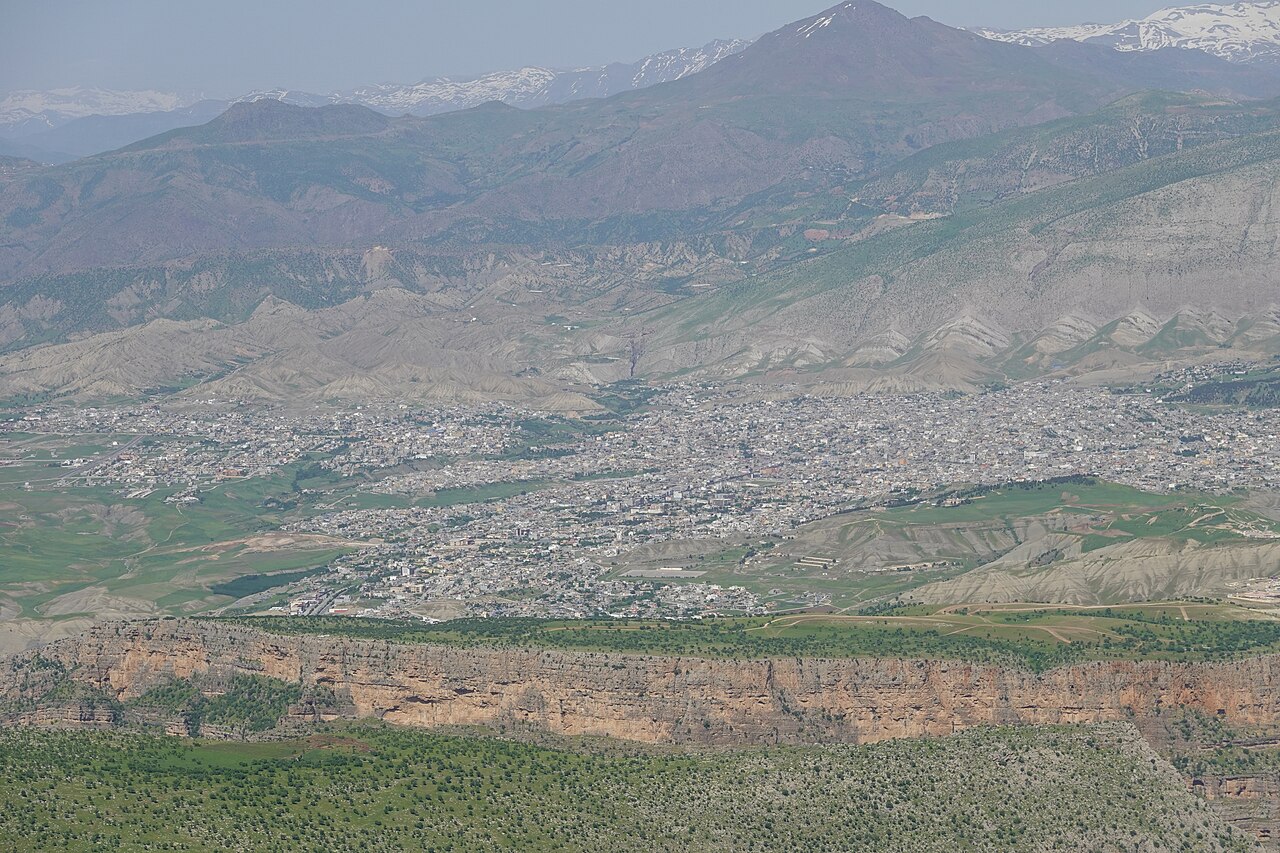
The Kurdistan Regional Government’s Ministry of Peshmerga Affairs reported two separate attacks that morning against Peshmerga positions in Soran district. It attributed them to six Iranian ballistic missiles and reported six Peshmerga killed and thirty wounded. The notice identified a headquarters of the 7th Infantry Division in Area Command 1 and a unit of the 5th Infantry Division. [1] The figures and attribution are the ministry’s account.
Condemnation and calls for protection
The ministry condemned the strikes, asserted a right to respond and called on the Iraqi federal government, international community and partners to act against further attacks. It also urged parties to keep war away from the Kurdistan Region. [1] Its statement combined a demand for protection with a stated wish to avoid wider conflict. It did not announce a completed retaliatory operation.
What Nechirvan Barzani said about a mistake
Speaking after the funeral on 25 March, President Nechirvan Barzani said regional officials had contacted Iran immediately after the incident. According to the presidency’s published account, he said Iran had acknowledged a mistake, promised an investigation and sent condolences. He added that the region was awaiting a response. [2] The statement is primary evidence of what Barzani told the press. It should be attributed to him, rather than recast as a separately documented public Iranian announcement or a completed investigation finding.
The funeral and the prime minister’s response
The KRG’s report of 25 March records Prime Minister Masrour Barzani attending the funeral ceremony in Soran for the six killed. He offered condolences, wished recovery to the wounded and described the attack as unjustified. He said the region did not want to be drawn into war while promising measures to protect its people and territory. [3] Those remarks explain the government’s public position at the ceremony; they do not by themselves specify which defensive or diplomatic measures were subsequently implemented.
The regional government and Iranian opposition parties
The KRG and Iranian Kurdish opposition parties should not be treated as one organisation. Earlier, on 5 March, spokesperson Peshawa Hawramani denied reports that the regional government was part of a plan to arm opposition groups and send them into Iran. He also denied participation in a campaign to widen the war. [4] That is the KRG’s stated position. A Peshmerga casualty notice cannot establish that Iranian opposition forces had launched a joint ground offensive or identify the intentions behind a particular missile strike.
What the March statements left unresolved
At the 25 March press appearance, Nechirvan Barzani called for Iran to finish its investigation and provide details. He also said Baghdad had a responsibility to stop attacks by unlawful groups and repeated that the Kurdistan Region would remain outside the conflict. [2] The cited remarks contain a request for answers, not the investigation’s final report. This account concerns the official statements of 24–25 March 2026.
Sources and further reading
- KRG Ministry of Peshmerga Affairs, statement of 24 March 2026; two attacks, reported casualties, attribution and response.
- Kurdistan Region Presidency, Nechirvan Barzani’s press remarks after the funeral, 25 March 2026; report of Iranian contacts and requested investigation.
- KRG, Prime Minister Masrour Barzani Attends Funeral of Six Martyred Peshmerga in Soran, 25 March 2026; ceremony and attributed remarks.
- Peshawa Hawramani, KRG spokesperson’s statement, 5 March 2026; denial of participation in a plan to arm and send opposition parties into Iran.
- Khoshhat, Soran city viewed from Korek, 26 April 2024; Wikimedia Commons, CC BY 4.0.