Nazand Begikhani is a Kurdish poet and researcher whose work links literature, exile and the study of violence against women. Born in Iraqi Kurdistan, she pursued postgraduate study at the Sorbonne and published poetry in Kurdish, English and French. Her research includes honour-based violence in Iraqi Kurdistan and the Kurdish diaspora in Britain.
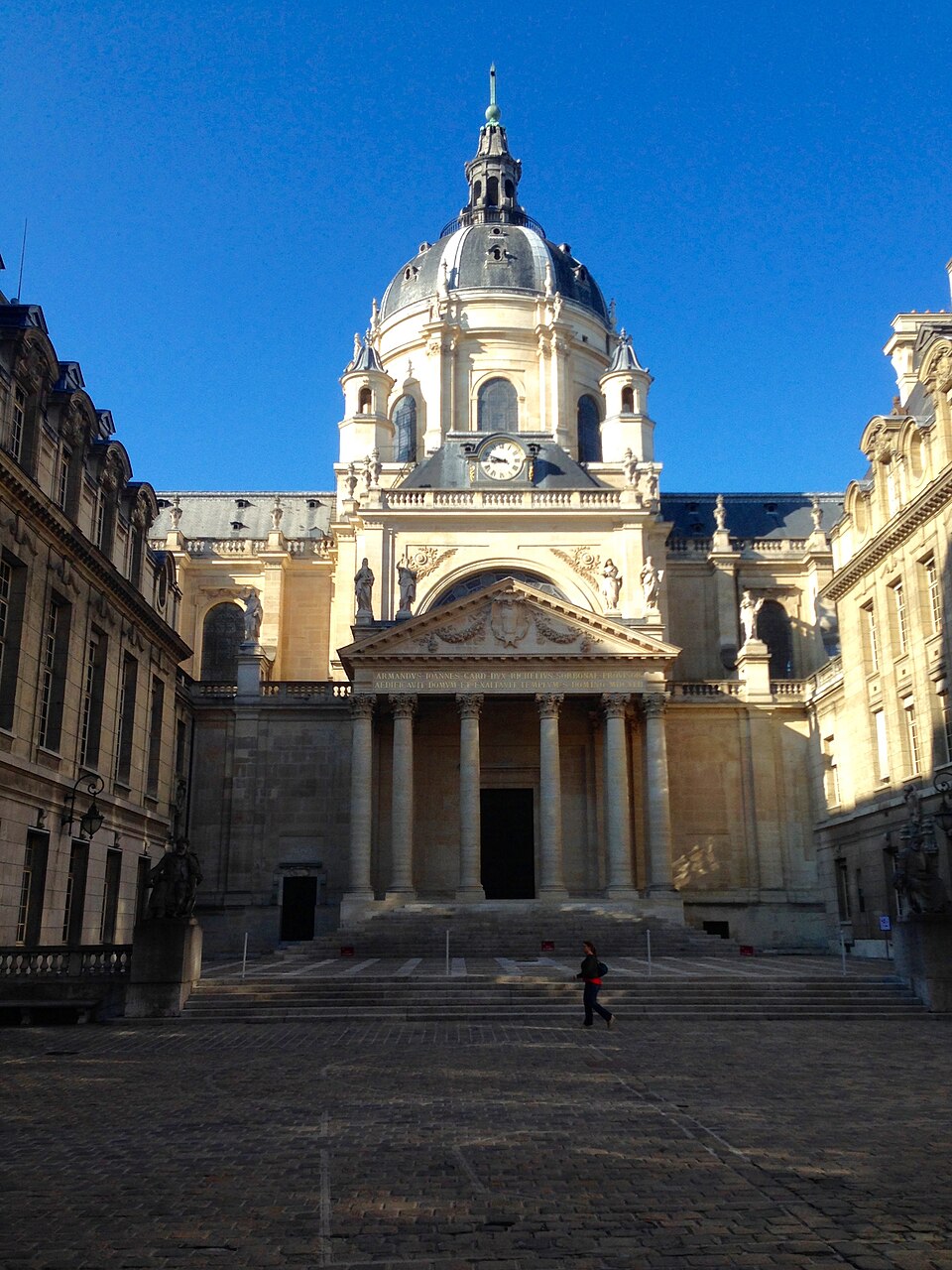

Iraqi Kurdistan, exile and education
Moniza Alvi’s 2007 Poetry International profile places Begikhani’s birth in Iraqi Kurdistan and dates her exile in Europe to 1987, with periods in Denmark, France and Britain. It records an initial degree in English language and literature followed by an MA and PhD in comparative literature at the Sorbonne. [1] These details locate her literary formation across several countries. Her own biography likewise describes postgraduate study in Paris and the publication of her first collection there in 1995. [2]
A sequence of poetry collections
The early collections below are documented in Poetry International’s bibliography and Begikhani’s own publication list. [1] [2] The latter also lists A Promenade with John Donne, published in Tehran in 2017, and One Day You Will Become a Willow, published by Nûsyar in Denmark in 2023. [2] The named books show a career extending across different publishing centres and languages. They offer readers a clearer starting point than a general claim that she simply bridges two cultures.
| Collection | Year | Publisher / place |
|---|---|---|
| Yesterday of Tomorrow | 1995 | Association of Kurdish Artists in France, Paris |
| Celebrations | 2004 | Aras, Kurdistan |
| Colour of Sand | 2005 | Aras, Kurdistan |
| Bells of Speech | 2006 | Ambit Books, London |
Translation and public literary exchange
The Institut du monde arabe’s programme for 7 March 2013 identifies Begikhani as a Kurdish poet and translator of Baudelaire and T. S. Eliot into Sorani Kurdish. It names Couleur de sables among her collections. [3] Sorani translation, English-language publication and French literary appearances are distinct parts of her work. Her own bibliography also names translators who brought her poetry into French. [2] Translation here is a practical literary activity involving particular writers, books and collaborators.
Research on honour-based violence
A University of Bristol announcement of 8 December 2010 describes research by Gill Hague, Begikhani and Roehampton colleagues into honour-based violence and killings in Iraqi Kurdistan and the UK Kurdish diaspora. The project examined women’s experiences, family and cultural practices, and media representations. [4] This establishes a specific collaborative research programme, rather than treating gender scholarship as a vague accompaniment to poetry. Its subject is violence and responses to it, not a claim that every Kurdish family or community is alike.
The difference between reform and implementation
In her conference abstract Honour Crimes between National, Regional and Informal Laws, Begikhani describes two years of research involving 131 in-depth interviews with stakeholders in Iraqi Kurdistan, including legal practitioners, police, women’s organisations and officials. She distinguishes changes in formal law from obstacles in implementation and examines informal tribal remedies. [5] The abstract demonstrates her attention to institutions and practice. It describes research in its historical context; it is not a statement of the law currently applying to an individual case.
Later teaching and public argument
Begikhani’s biography dates her Vincent Wright Chair award at Sciences Po to 2019/2020. [2] Her public writing continued: a signed article in Le Monde diplomatique on 9 April 2026 argues that Kurdish women’s political contribution should be understood beyond military imagery, with attention to equality, institutions and public participation. [6] That is an attributed argument by the author. Alongside the poetry collections and collaborative research, it shows the different forms in which she addresses displacement, gender and political life.
Sources and further reading
- Moniza Alvi, “Nazand Begikhani”, Poetry International, 1 August 2007; biography and bibliography.
- Nazand Begikhani, official biography and publication list; consulted 30 October 2026.
- Institut du monde arabe, “Le Printemps des poètes: Voix de femmes”, programme, 7 March 2013; Sorani translation and poetry.
- University of Bristol, “Research into honour-based violence makes international impact”, 8 December 2010; collaborative research scope.
- Nazand Begikhani, “Honour Crimes between National, Regional and Informal Laws: The Case of Iraqi Kurdistan”, conference abstract hosted by NILG; interviews and implementation.
- Nazand Begikhani, “Kurdish women’s struggle for gender equality – and much else besides”, Le Monde diplomatique, 9 April 2026; signed public argument.