Şehrîbana Kurdî is a Kurdish singer with a recording and performance career spanning Kurdistan and Europe. Interviews, music research and dated reports document her work.

From İzmir to a recording career
An interview published by Kerboran in July 2008 introduces Şehrîbana Kurdî as born in İzmir in 1973. In her answers, she recalls growing up there, winning a singing competition and listening to Mihemed Şêxo, Meryem Xan, Mihemed Arif, Kawîs Axa and Şivan Perwer. She describes improving her Kurdish when she decided to pursue singing, with support from her husband, and stresses the importance of intelligible words in performance. [1] These recollections give a concrete account of musical learning, language and family support. Her documented work belongs to singing and recording, with individual influences named in her own account.
A performer in a documented musical tradition
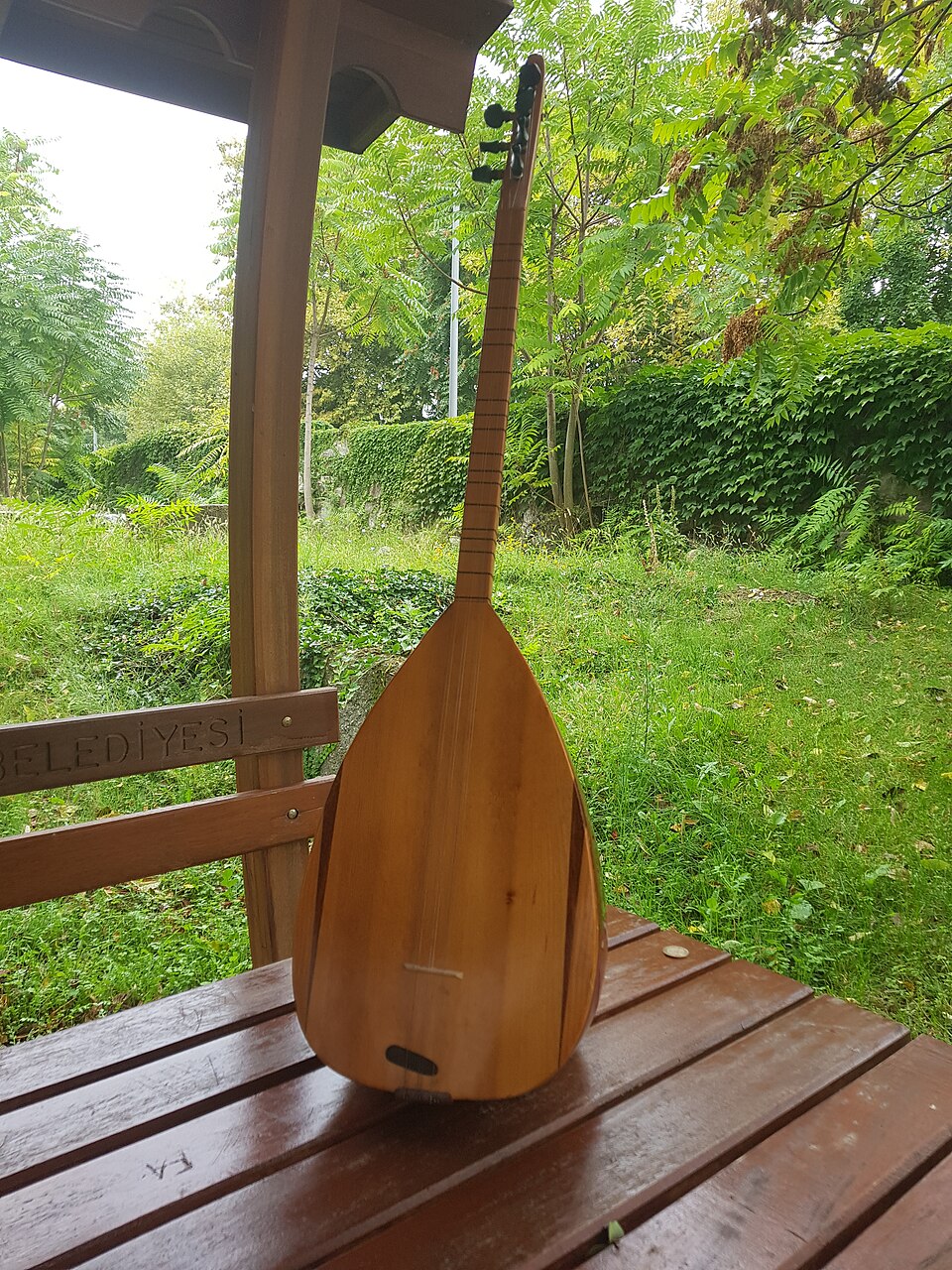
Rose Campion and Sheyda Ghavami’s 2024 research book Kurdische Musikerinnen in Deutschland identifies her as a singer and saz player. It places her in Bochum from 1994 and records touring across Europe, Southwest Asia and North America. Its biography identifies her first album as Ez keçim keça Kurdanim, released when she was eighteen. In the song section, Ez keçim keça Kurdan im is credited to composer Mihemed Şêxo and lyricist Ebdul Ezîz Sefer, with Şehrîbana Kurdî named as performer. [2] That distinction preserves the creative work of the singer, composer and writer. The book supplies notation and performance material for readers studying the repertoire.
Batman: a concert reported in September 2014
An İhlas News Agency report published on 7 September 2014 describes her concert at Batman’s 16 Mayıs stadium. It reports Turkish and Kurdish songs, a performance lasting about two hours and an audience singing along and dancing halay. [3] This is a dated record of a particular performance, with a venue and observable audience activity. The stadium’s name is not the concert date. Such reporting adds a public event to the biography alongside the singer’s own recollections and the later research profile.
Ez Kevokim: a video with named collaborators
Rudaw’s 13 October 2015 report documents a new Ez Kevokim video. Her manager, Îsa Mêrgesorî, described the project to the outlet. The report credits Hi Live as producer, Silêman Rehîmî for filming and Şîrîn Cîhanî as director, with Korek Telekom sponsorship. It credits Dilşad Mihemed Seîd with the melody. [4] These credits show the collaborative work behind a recording and its visual presentation. They also distinguish a dated release report from a complete discography or a claim that the performer wrote every work she sings.
Her account of voice, dress and diaspora
In Dilbixwîn Dara’s Rudaw interview published on 14 May 2025, she discusses her attachment to Kurdish songs, including songs about suffering and homeland. She connects language and Kurdish dress with how an artist presents a people’s culture. Speaking after around thirty years in Europe, she contrasts performance opportunities and the emotional experience of audiences in Kurdistan. She also discusses the difficulties facing Kurdish women who sing publicly. [5] These are her stated artistic commitments and experiences. They allow her diaspora career and presentation to be described through her own words and priorities, with the interview’s date retained.
Sources and further reading
- Kerboran, Şehribana Kürdi ile röportaj, published 25 July 2008; interview answers on İzmir, musical influences and learning Kurdish.
- Rose Campion and Sheyda Ghavami, Kurdische Musikerinnen in Deutschland: Ein Song- und Storybook, Landesmusikrat NRW and University of Cologne, 2024, pp. 5, 13, 17.
- İhlas News Agency, Şehribana Kurdi Batman’da Konser Verdi, published by Son Dakika, 7 September 2014.
- Rudaw, Şehrîbana Kurdî û klîpek nû, 13 October 2015; Ez Kevokim and production credits.
- Dilbixwîn Dara, interview with Şehrîbana Kurdî, Rudaw, 14 May 2025; published Kurmanji transcript.
- Sakhalinio, Bağlama, 21 September 2021, Wikimedia Commons, CC BY-SA 4.0; contextual instrument photograph.