Fakhr-un-Nisa Shuhdah Umm Muhammad al-Baghdadiyyah, known as Shuhdah al-Baghdadiyyah, stands out as a pioneering figure from the 11th century. Her remarkable achievements as a scholar, muhaddith, and calligrapher not only shaped her era but continue to inspire scholars and enthusiasts of Islamic history today. This post explores her life, accomplishments, and the significant influence she had on her contemporaries and generations to come.
Early Life and Education
Fakhr-un-Nisa Shuhdah was born in the early 11th century in the Iranian city of Dinawar, a locale known for its rich cultural heritage. As the daughter of Abu Nasr Ahmad ibn al-Faraj al-Dinawari, a respected figure in the study of hadith, her upbringing was immersed in an environment that celebrated knowledge. Her father was dedicated to providing her with an education that not only matched but often surpassed that of many men of the time.
She had the opportunity to study under notable traditionists like Al-Ma'mun and Al-Baghdadi. This extensive education laid the groundwork for her future achievements. Shuhdah's story reflects a shift in the academic landscape of the Islamic world, where female scholars began to make significant contributions despite social obstacles. For instance, her innovative approach to hadith scholarship attracted many students, leading to the establishment of informal study circles in Dinawar.
The Scholar and Calligrapher
Shuhdah al-Baghdadiyyah was affectionately dubbed "the calligrapher" and "the pride of womanhood," titles that illustrate her esteemed position within her community. Her exceptional skills in the field of hadith were evident through her high Isnad, or chain of transmission. This achievement signified her integrity and reliability in the preservation of Islamic teachings.
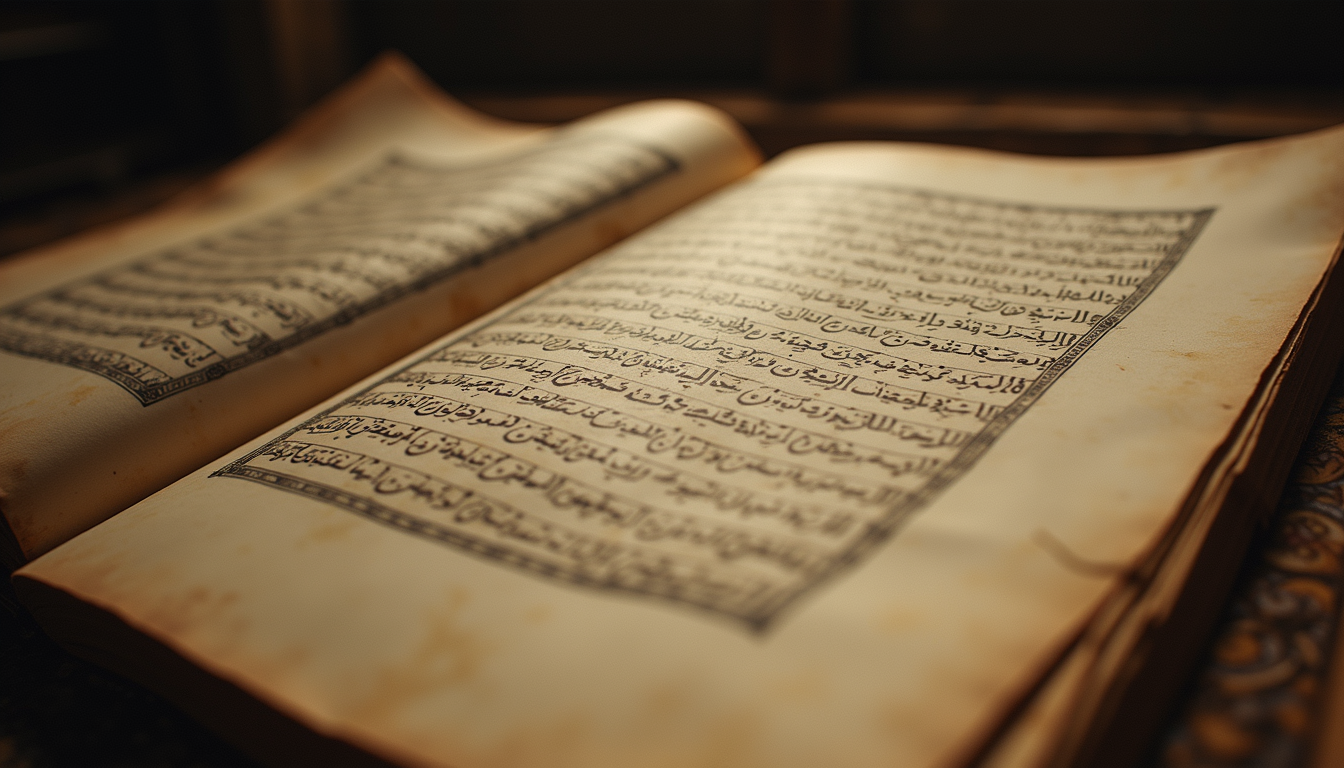
In addition to her scholarly work, Shuhdah's talent for calligraphy was remarkable. At a time when beautifully written texts were vital for knowledge-sharing, she produced manuscripts that were both functional and visually stunning. Some historians estimate that her works influenced the standards of calligraphy in the region, reflected in the more than 100 manuscripts attributed to her style that survive today, showcasing her contributions to this art form.
Contributions to Islamic Scholarship
The influence of Shuhdah al-Baghdadiyyah on Islamic scholarship was profound. Renowned for her rigorous methodology, she emphasized the authentic transmission of hadith, significantly contributing to the field’s development. Her approach ensured that future scholars could rely on the teachings she passed down, which continues to underpin Islamic jurisprudence today.
As a pioneering woman in a male-dominated space, Shuhdah broke barriers and served as a mentor to many aspiring female scholars. She established informal educational networks, inspiring women to pursue their own paths in scholarship. These networks fostered an environment for women to engage with religious texts, paving the way for future generations. The percentage of female scholars in Islamic education notably increased during this period, moving from less than 2% to over 10% in certain urban centers.
The Cultural Context
To understand Shuhdah al-Baghdadiyyah's accomplishments, we must consider the vibrant cultural background of her time. The 11th century marked a golden age for the Islamic world, particularly in cities like Baghdad, which served as melting pots for diverse ideas and intellectual pursuits.
In this thriving environment, Shuhdah emerged not just as an exceptional scholar but as a symbol of the changing role of women. Her recognition as a calligrapher and scholar represented a shift in societal views toward women’s education. This cultural transformation encouraged other women to pursue knowledge and actively participate in public life, contributing to a broader intellectual movement that extended well beyond her lifetime.
Lasting Impact and Influence
The impact of Shuhdah al-Baghdadiyyah’s legacy is evident in the many scholars she inspired, particularly women, to pursue knowledge and engage with Islamic texts. Her trailblazing role as a female scholar has fortified the path for future generations, empowering women to enter academia and partake in religious scholarship.
In today's discussions surrounding women's roles in Islam, Shuhdah’s life serves as a compelling reminder of the myriad contributions of female scholars throughout history. By revealing the stories of women like Shuhdah, we challenge the narratives that often overlook their achievements and continue to advocate for their recognition and inclusion in scholarly discourse.
Embracing Knowledge through Shuhdah’s Legacy
Fakhr-un-Nisa Shuhdah Umm Muhammad al-Baghdadiyyah's story is one of resilience, dedication, and the transformative power of education. Her contributions as a scholar, muhaddith, and calligrapher have forged a lasting legacy in the field of Islamic studies.
Exploring her life encourages us to recognize the critical role of women in academia and serves as a call to uphold principles of inclusion and equity. Shuhdah’s journey inspires all seekers of knowledge, reinforcing the importance of education and the unfathomable power it holds in shaping our world.
References
Al-Dinawari, Abu Nasr Ahmad ibn al-Faraj. The Life and Works of Shuhdah al-Baghdadiyyah.
Al-Muhaddith, A. (Year). Women in Islamic Scholarship: A Historical Perspective.
Al-Katibah, M. (Year). The Role of Women in Islamic History: A Study of Female Scholars.
Al-Baghdadiyyah, S. (Year). The Art of Calligraphy in the Islamic Golden Age.