Abulfeda (1273–1332) stands as a remarkable figure in the history of medieval scholarship. His work as a historian and geographer left a lasting imprint on the understanding of the Islamic world and beyond. This post explores his life, contributions, and the enduring impact of his writings.
Early Life and Background
Born in 1273 in Damascus, Abulfeda came from a family with a strong scholarly tradition. His full name was Ismail ibn Ali ibn Mahmud, but he is widely known by his honorific, Abulfeda. Growing up in a city that was a vibrant center of learning and culture, he had access to a wealth of knowledge and intellectual resources.
His education included studies in Islamic law, history, and geography, which shaped his later works. Abulfeda also served as a ruler in Hama, Syria, which gave him practical experience in governance and a unique perspective on the political and social dynamics of his time.
Contributions to History
Abulfeda’s historical writings are valued for their clarity and detail. He authored a universal history called "Tarikh al-Mukhtasar fi Akhbar al-Bashar" (A Concise History of Humanity), which covers events from the creation of the world up to his own era. This work is notable for its chronological approach and the inclusion of both Islamic and non-Islamic events, reflecting a broad worldview.
His history provides insight into the Mongol invasions, the Crusades, and the political changes in the Middle East during the 13th and 14th centuries. Abulfeda’s accounts often include dates and events that help historians cross-reference and verify other sources from the period.
Achievements in Geography
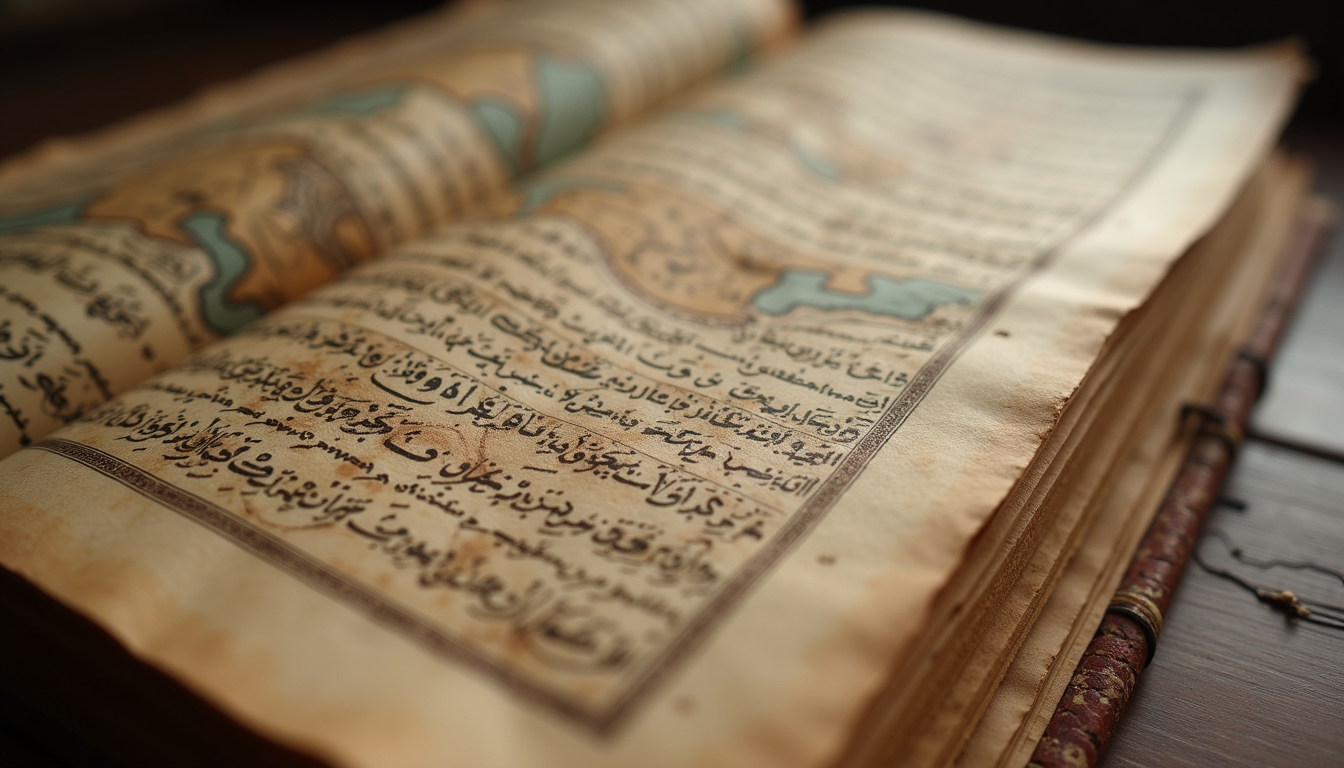
Abulfeda’s geographical work is equally significant. He wrote a treatise known as "Taqwim al-Buldan" (The Survey of Countries), which served as a geographical encyclopedia. This book describes various regions, cities, and landmarks, combining information from earlier geographers with his own observations.
One of his key contributions was the improvement of maps and the use of coordinates to describe locations more accurately. His work influenced later Islamic and European geographers, bridging knowledge between cultures.
Influence on Later Scholars
Abulfeda’s writings were widely read and respected in both the Islamic world and Europe. His historical and geographical texts were translated and referenced by scholars for centuries. The precision and scope of his work made it a valuable resource for understanding medieval geography and history.
European travelers and cartographers in the Renaissance period drew upon his geographical descriptions to improve their own maps. His historical narratives also helped preserve knowledge of events that might have otherwise been lost.
Legacy and Modern Relevance
Today, Abulfeda’s work remains a critical source for historians studying the medieval Islamic world. His balanced approach to history and geography offers a window into the intellectual traditions of his time. Modern researchers continue to analyze his texts to gain insights into the political, cultural, and scientific developments of the 13th and 14th centuries.
His legacy also highlights the importance of cross-cultural knowledge exchange. Abulfeda’s ability to synthesize information from various sources and his role as both a scholar and a leader demonstrate the interconnectedness of knowledge and governance.
Key Takeaways from Abulfeda’s Life
He combined scholarship with practical leadership, enriching his historical and geographical works.
His universal history provides a detailed timeline of significant events across different cultures.
His geographical treatise improved the accuracy of maps and descriptions of the known world.
His influence extended beyond the Islamic world, impacting European scholars and cartographers.
His work remains a valuable resource for understanding medieval history and geography.