Kurd Said Pasha’s career connected provincial administration, Berlin diplomacy and the Ottoman Foreign Ministry. Archival research and contemporary correspondence document his education, appointments and negotiations.

Education and origins
Born in Sulaymaniyah in 1834, Said was Handanzade Hüseyin Pasha’s son. He attended Davud Paşa Rüşdiye and entered the Sublime Porte’s Translation Office at sixteen. He was distinct from Grand Vizier Küçük Said Pasha. [1] His 1865 foreign-affairs posting for Syria province was based in Beirut, connecting provincial government with foreign consuls. [1]
Muallim Naci and provincial service
The literary scholar Abdullah Uçman identifies Said’s employment of Muallim Naci as a private secretary. Naci accompanied him to Tulça, Istanbul and Yenişehir, then on an inspection journey through Aleppo, Diyarbakir, Elazığ, Sivas, Erzurum and Trabzon. He also served on Chios in 1881 following Said’s appointment to the Archipelago governorship. [2] This documented relationship connects administrative travel with the working life of an Ottoman writer, without requiring speculation about Said’s childhood schooling.
Appointments in diplomacy
Hızlı and Kurt date his first foreign-minister appointment to May 1882, Berlin embassy appointment to March 1883, and long ministerial tenure to 1885–June 1895. He returned briefly in October 1895. [1]
1885: citizenship and diplomatic protection
A dispatch published in Foreign Relations of the United States preserves Said’s reply to American minister S. S. Cox on 15 October 1885. The dispute concerned Kevork Guligyan and Bedros Iskiyan: Said’s ministry required naturalization documentation and invoked Ottoman nationality rules, while the American side challenged the refusal to recognize their citizenship. [3] The exchange shows routine foreign-ministry work over allegiance, emigration and diplomatic protection. It records competing governmental positions, not a modern ruling on the individuals’ rights.
1894: the dispute over investigating Sassoun
A letter of 31 December 1894 from US Secretary of State W. Q. Gresham to Mavroyeni Bey discusses a telegram from Said about investigating atrocities against Armenians in Sassoun. Washington wanted consul Jewett to make an independent report rather than join the Ottoman commission’s findings. The Sultan withheld consent for that assignment. [4] This contemporary record places Said within a specific dispute over external scrutiny and imperial authority; it does not establish his personal intentions or settle responsibility for the atrocities.
Later office and family
Said became Council of State president in November 1895. He died in 1907; his sons included Şerif and Ali Fuad. [1]
Sources and further reading
- Kasım Hızlı and Aydın Kurt, “Mülkiye ile Hariciye Arasında Bir Ömür: Hariciye Nazırı Kürt Said Paşa [1834–1907],” OSMED 16 (2023), pp. 43–61, especially pp. 44–45 and 50–53. DOI: 10.21021/osmed.1176222.
- Abdullah Uçman, “Muallim Nâci,” TDV İslâm Ansiklopedisi; private secretaryship, provincial journeys and the 1881 Chios posting.
- Foreign Relations of the United States, 1885, document 672, Cox to Bayard, 24 October 1885, enclosing Said Pasha’s 15 October reply and the US response on nationality.
- Foreign Relations of the United States, 1894, document 733, Gresham to Mavroyeni Bey, 31 December 1894; the proposed independent American inquiry at Sassoun.
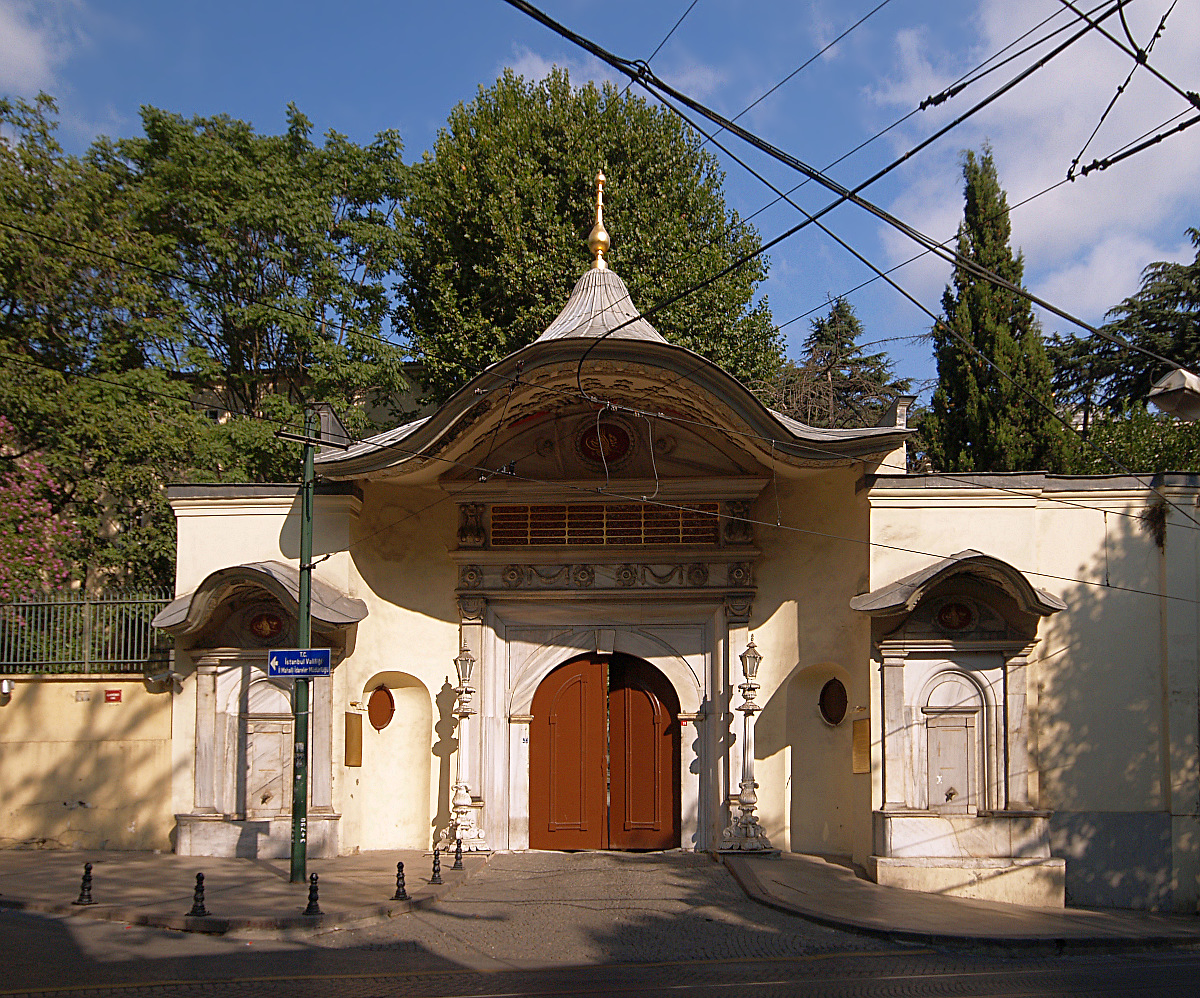
- Jose Mario Pires (Stegop), Sublime Porta 39-1, 15 August 2010; own photograph, Wikimedia Commons, CC BY-SA 4.0.