Al-Malik al-Amjad Bahramshah, the Kurdish Ayyubid emir of Baalbek, reigned from 1182 to 1230 amidst the challenges of the Crusades and the changing power dynamics within the Ayyubid dynasty. His remarkable 48-year rule left a profound impact on the region. In this post, we will explore Bahramshah's life, the obstacles he faced, and the lasting effects of his leadership.
Early Life and Ascension to Power
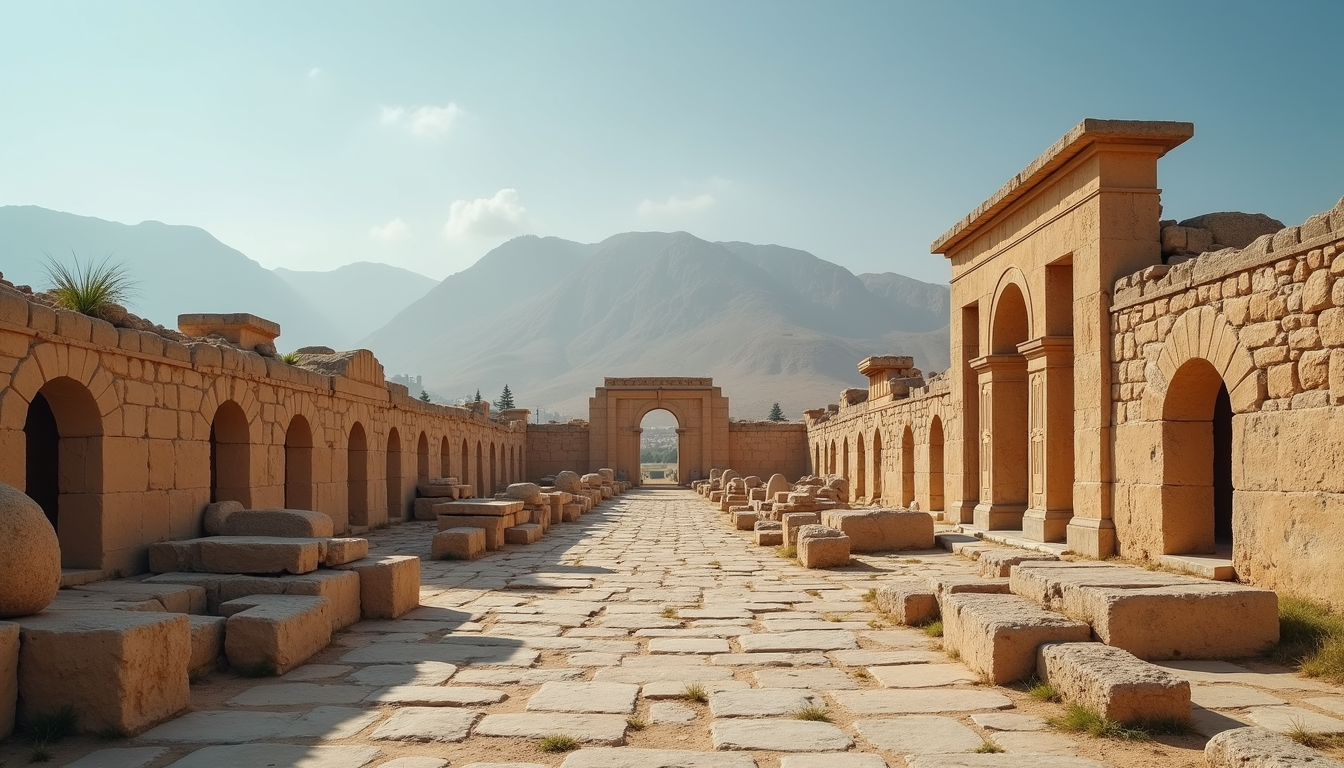
Born into the Ayyubid dynasty, Bahramshah was the son of Farrukhshah, the emir of Baalbek. He inherited his father’s title in a time when the region was crucial in the fight against the Crusader states, particularly the County of Tripoli. Baalbek, not only famous for its impressive Roman ruins but also for its fertile lands, served as a strategic and cultural hub.
Bahramshah swiftly focused on consolidating power in Baalbek, ensuring loyalty from his subjects. He established a solid network of local leaders and reinforced his authority through a mixture of persuasion and military displays, which would prove vital in maintaining stability throughout his reign.
The Role of Baalbek in the Crusades
Under Bahramshah's watch, Baalbek became a key player in the struggle against the Crusaders. The location positioned it as a front-line stronghold, essential for launching responses to incursions by Crusader forces.
In 1187, a significant battle occurred at the nearby Horns of Hattin, where Bahramshah's forces joined in a decisive victory for the Ayyubids, reclaiming Jerusalem. His leadership during these battlefield confrontations showcased his military prowess. He ensured Baalbek was well-equipped and ready, often coordinating with larger Ayyubid campaigns to ward off any threats.
Political Intrigues and Alliances
The Ayyubid dynasty was marked by a web of shifting allegiances and rivalries. Understanding this environment was crucial for Bahramshah's reign. He skillfully maintained alliances, particularly with the influential emirate of Damascus, which helped stabilize his rule.
In 1228, he confronted a grave challenge when one of his sons plotted with al-Aziz Uthman of Banyas to usurp him. This conspiracy highlighted the vulnerabilities within the Ayyubid structure. Fortunately, Bahramshah, with the help of an-Nasir Dawud of Damascus, quelled the revolt. This alliance not only solidified Bahramshah's authority but also illustrated the intricate landscape of loyalty and betrayal in Ayyubid politics.
The Decline of Bahramshah's Reign
Despite Bahramshah's strengths, his reign began to wane by 1230, amid a larger confrontation between Sultan al-Kamil of Egypt and an-Nasir Dawud of Damascus. Al-Aziz Uthman, hoping to gain favor with Sultan al-Kamil, pledged support to him. A significant agreement at Tell al-Ajjul finally gave al-Aziz the prospect of acquiring Baalbek after defeating an-Nasir.
When an-Nasir’s forces faltered, Bahramshah found himself in a precarious position. However, the unexpected shift in power occurred when al-Ashraf, al-Kamil's brother, gained control of Damascus. Rather than allowing al-Aziz to claim Baalbek, al-Ashraf sent as-Salih Ismail to take the city, demonstrating the unpredictable nature of loyalty in the region.
Legacy of Al-Malik al-Amjad Bahramshah
Bahramshah's legacy is a testament to resilience and the complexities of leadership during tumultuous times. His astute navigation of Ayyubid politics allowed him to govern Baalbek for nearly five decades, maintaining stability when much of the region faced chaos. The emir's commitment to his people catalyzed continued growth in Baalbek as a cultural and military center, even after his passing.
Economically, Baalbek flourished under Bahramshah, contributing to the region’s trade. With a population that thrived on agriculture, the emirate saw an increase in productivity, which helped sustain local markets and the overall economy.
The Enduring Influence of Bahramshah
The story of Al-Malik al-Amjad Bahramshah offers valuable lessons about leadership in crisis. His alliances, strategic military responses, and commitment to his emirate shaped Baalbek’s historical narrative. He remains a significant figure in understanding the dynamics of power within the Ayyubid dynasty and the broader context of the Crusades.
References
Ayyubid Dynasty Overview
The Crusades and Their Impact on the Middle East
Baalbek: A Historical Perspective
Political Alliances in the Ayyubid Era
Military Strategies of the Ayyubids