The Imamzadeh Chaharmenar in Tabriz is more than just a burial site; it is a rich historical and cultural landmark. It marks the final resting place of the Rawadid rulers, including the noteworthy Abu Mansur Wahsudan. As we explore Wahsudan's life and the significance of this burial site, we uncover a fascinating slice of Azerbaijani history that deserves recognition.
The Rawadid Dynasty: A Brief Overview
The Rawadid dynasty ruled parts of Azerbaijan during the 10th and 11th centuries. This period was essential in shaping the region's identity. Following the decline of the Samanid Empire, the Rawadids emerged, maintaining a degree of autonomy despite the growing power of the Seljuks and other neighboring forces.
Wahsudan's reign, from 1025 to 1058/59, marked the apex of Rawadid power. His leadership was defined by military triumphs and political struggles that helped to direct Azerbaijani history toward a path of cultural vitality.
Abu Mansur Wahsudan: The Penultimate Rawadid Amir
Abu Mansur Wahsudan was the son of Abu'l-Hayja Mamlan I and came to power amid turbulence. Early in his rule, he focused on defending his realm against invading Turkmen tribes. Teaming up with Kurdish allies, Wahsudan confronted this threat effectively, proving his military capabilities.
However, his reign was not without difficulties. By 1054, he had to recognize the authority of Tughril, the Seljuk ruler. This shift in political power did not lessen Wahsudan's importance; rather, it underscored the complicated nature of leadership in an ever-changing environment.
The Significance of the Imamzadeh Chaharmenar
The Imamzadeh Chaharmenar serves as a tribute to the Rawadid dynasty and Tabriz's cultural richness. It is believed to be the final resting place of Wahsudan and several Rawadid family members.
Architectural Features
The architectural style of the Imamzadeh Chaharmenar is reflective of the artistic richness of its era. The mausoleum boasts stunning tile work and calligraphy, illustrating the skill of Persian artisans. The use of geometric designs and vibrant colors characterizes the period's architectural trends, captivating visitors with its beauty.
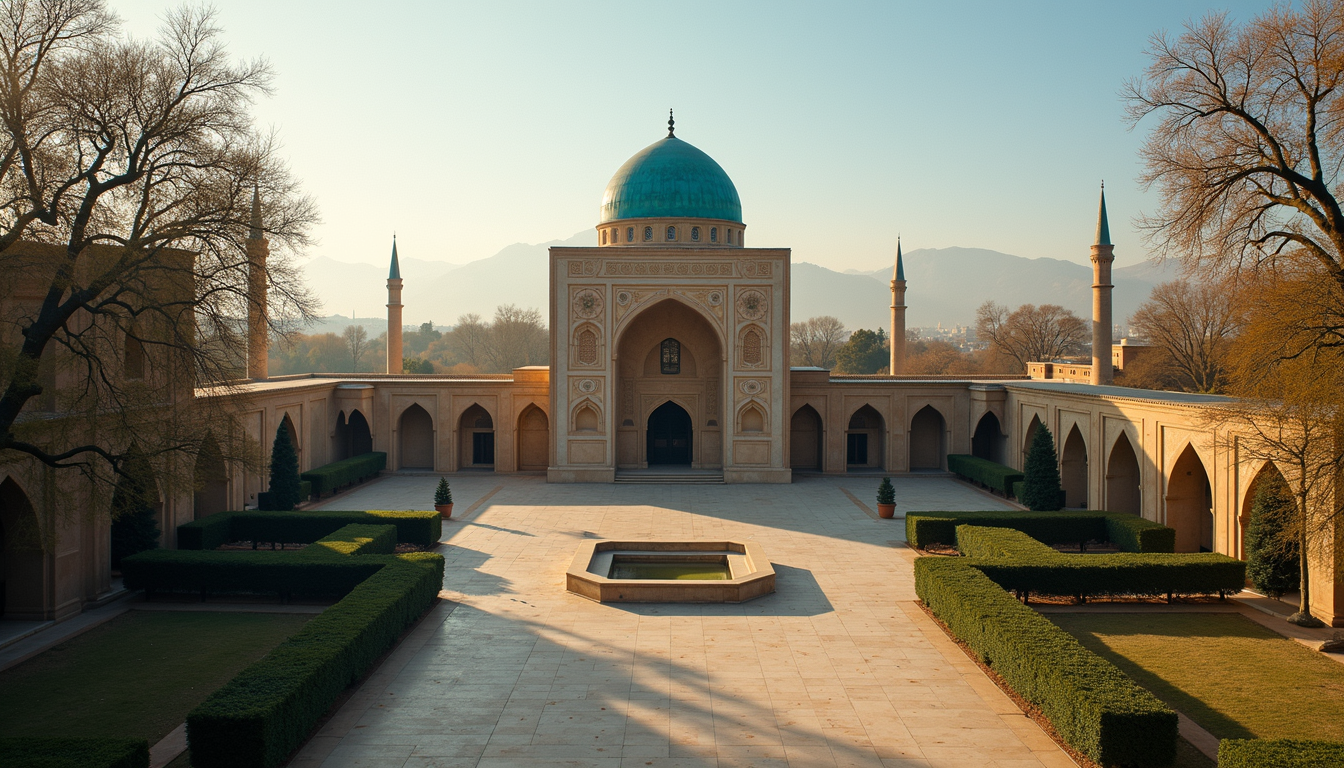
Not only is the mausoleum visually stunning, but it also functions as a space for visitors and pilgrims. The calming environment surrounding the site emphasizes its spiritual significance, fostering reflection and remembrance.
Cultural Importance
The Imamzadeh Chaharmenar has great cultural importance for the local community. It is a central pilgrimage site, symbolizing the lasting impact of the Rawadid dynasty. This mausoleum stands as a reminder of the region's historical significance and the contributions of its rulers to Persian governance and culture.
The site actively participates in contemporary traditions. Celebrations and commemorative events draw individuals from diverse backgrounds, allowing them to honor their shared heritage. These ongoing connections to the past are critical in encouraging the preservation of historical sites for future generations.
The Legacy of Abu Mansur Wahsudan
Abu Mansur Wahsudan's legacy reaches beyond his military and political endeavors. His reign had lasting effects on the cultural and intellectual landscape of the region. Tabriz emerged as a commercial center and a hub for scholarship, attracting scholars and artisans.
Contributions to Culture and Scholarship
Wahsudan's time on the throne coincided with a cultural revival in Persia. The Rawadid court actively supported the arts, creating an environment where literature and philosophy flourished. Many notable poets and scholars of this period found inspiration at his court, contributing to a literary movement that would influence generations.
Wahsudan's commitment to education and scholarship was notable. His backing of schools and libraries was pivotal in preserving knowledge and fostering intellectual development, ensuring the Rawadid legacy endured.
Military and Political Strategies
Wahsudan's military tactics were vital for maintaining Rawadid autonomy during external threats. His alliances with Kurdish tribes enabled him to stabilize his realm against Seljuk encroachments. This talent for strategic diplomacy was a defining feature of his legacy, highlighting the importance of alliances in historical governance.
Even after his acknowledgment of Seljuk authority, Wahsudan's period is viewed as one of resilience and adaptability. His ability to combine military and diplomatic strategies leaves a lasting impact on the region's historical narrative.
Understanding the Historical Context of the Rawadid Dynasty
To appreciate Abu Mansur Wahsudan and the Imamzadeh Chaharmenar, one must recognize the historical backdrop of the Rawadid dynasty. The 10th and 11th centuries were marked by political turbulence in Persia, with various factions fighting for dominance.
The Rise of the Seljuks
During Wahsudan’s reign, the Seljuk Empire rose to prominence, becoming a formidable force. Known for their military strength and effective administration, the Seljuks expanded their territory, which increased tensions with the Rawadids.
Wahsudan's decision to recognize Seljuk authority in 1054 was strategically wise, considering the shifting political dynamics. This move did not erase the legacy of the Rawadids; it accentuated the complexities of leadership during that time.
The Role of Neighboring Tribes
The survival of the Rawadid dynasty was deeply intertwined with its relationships with regional tribes, mainly the Kurds. Wahsudan's partnerships with these communities were pivotal in fortifying his power and handling external threats. His collaborative governance approach is a significant part of his legacy, emphasizing diplomacy's role in historical success.
Reflecting on the Legacy of the Imamzadeh Chaharmenar
The Imamzadeh Chaharmenar is a powerful symbol of the rich history and vast heritage of the Rawadid dynasty, particularly through the life of Abu Mansur Wahsudan. His impact on military strategies, cultural advancement, and alliances have defined the region's historical landscape.
Visitors to the Imamzadeh Chaharmenar do more than admire architectural splendor; they connect with the legacy of a ruler who adeptly navigated his era's challenges. This mausoleum's ongoing significance emphasizes the critical need to maintain such historical sites so that future generations can learn from and appreciate their stories.
References
Andrew Peacock, "The Rawadid Dynasty: A Historical Overview."
Stephen of Taron, "Historical Accounts of the Rawadid Period."
Münejjim Bashi, "Ta'rikh al-Bab wa'l-Abwab: A Lost Chronicle."
Various historical texts on Persian architecture and cultural heritage.
https://en.wikipedia.org/wiki/Abu_Mansur_Wahsudan