Al-Fadl ibn Shavur, also known as Fadl II, played a crucial role in the history of the Shaddadid dynasty, ruling from 1067 to 1073. As the son of Abu'l-Aswar Shavur ibn Fadl, Al-Fadl’s reign was marked by significant developments in the Shaddadid state. In this post, we will examine his life, achievements, and the obstacles he encountered, offering insight into his era's political and cultural climate.
Early Life and Ascension to Power
Al-Fadl ibn Shavur was born into a prominent family in the region encompassing Armenia and parts of modern-day Azerbaijan. His father, Abu'l-Aswar Shavur ibn Fadl, was a respected leader who established the foundations of the Shaddadid dynasty's influence. Growing up amidst political turmoil, Al-Fadl was prepared for leadership early on.
Upon his father’s death in 1067, Al-Fadl became the ruler. His early reign was focused on consolidating power and keeping the Shaddadid state stable. Immediately, he encountered challenges, including rival factions and external threats. For instance, a faction within his own court posed a significant challenge to his authority right from the start.
Political Landscape of the Shaddadid Dynasty
Founded in the 10th century, the Shaddadid dynasty was strategically located along vital trade routes connecting the East and West. This location boosted their economy but also made them vulnerable to neighboring powers. During Al-Fadl's rule, political tension intensified as various factions attempted to gain control.
A major threat was the rising Seljuk Empire. As the Seljuks sought to expand their territory, Al-Fadl had to navigate this complex political landscape. It is estimated that during this time, the Seljuks expanded their dominion by over 50%, which directly impacted the Shaddadids. Al-Fadl’s diplomatic skills were critical for his dynasty's survival, as maintaining alliances was essential.
Military Campaigns and Defense Strategies
Al-Fadl's reign was defined by his military strategies. Recognizing the need for a robust defense against the advancing Seljuk forces, he significantly invested in fortifications and bolstered his military. Reports suggest that he increased his army's ranks by nearly 30% during his early years on the throne. Al-Fadl forged alliances with local tribes, enhancing his military's capabilities.
Nevertheless, he faced notable military challenges. The Seljuks launched multiple campaigns against Shaddadid territories. For example, in 1070, a particularly fierce battle near the city of Ani tested Al-Fadl's military acumen. These confrontations were not merely territorial disputes; they underscored the Shaddadid identity's fight for survival against a powerful adversary.
Cultural Contributions and Legacy
Despite the military turmoil, Al-Fadl's reign also saw a cultural renaissance. The Shaddadid dynasty had a tradition of supporting the arts, and Al-Fadl continued this legacy. He was known to support poets, scholars, and artists, contributing to a rich cultural environment.
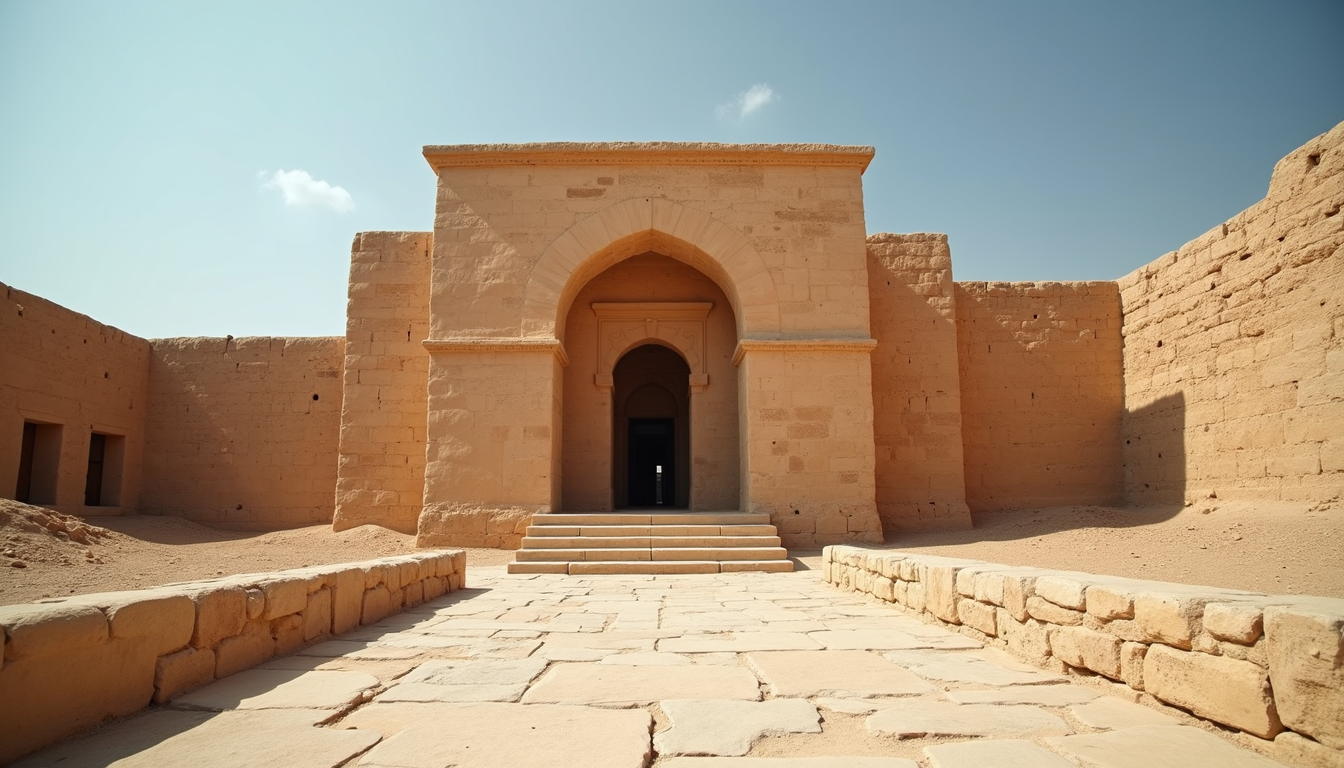
His reign witnessed the construction of several architectural projects, including mosques and public buildings that showcased the artistic styles of the era. For example, the mosque constructed in the city of Bardar during his rule exemplified intricate designs that enriched the city's cultural landscape. Al-Fadl's contributions are still recognized, as they significantly enhanced the aesthetic and cultural heritage of the region.
Challenges and Downfall
Despite his considerable efforts to maintain stability, Al-Fadl faced increasing internal and external pressures. The continuous expansion of the Seljuk Empire strained the Shaddadid resources. By 1073, discontent among the nobility and rival factions in his court reached a boiling point, resulting in a coup that ended his reign abruptly. This event marked a significant turning point for the Shaddadid dynasty, leading to instability and fragmentation.
The episode highlights the precarious nature of power during the medieval period. Al-Fadl's downfall illustrates the constant struggle for control and the challenges inherent in maintaining a dynasty amid external threats.
Reflection on Al-Fadl ibn Shavur’s Impact
The reign of Al-Fadl ibn Shavur presents a complex narrative rich in leadership challenges and cultural achievements. His efforts to strengthen the Shaddadid state and foster artistic growth reflect the dual nature of his rule. While his reign was ultimately marred by conflict and instability, Al-Fadl's legacy in the arts and architecture profoundly impacted the region.
In examining Al-Fadl's legacy, we see a story of resilience amid political struggle. The Shaddadid dynasty, under his guidance, managed to navigate the turbulent waters of its time, leaving behind a historical legacy that continues to spark interest among scholars and history enthusiasts.
References
Bosworth, C. E. (1996). The New Islamic Dynasties: A Chronological and Genealogical Manual. Columbia University Press.
Grousset, R. (1970). The Empire of the Steppes: A History of Central Asia. Rutgers University Press.
Canard, M. (1965). Les dynasties musulmanes. Paris: Presses Universitaires de France.
Amedroz, H. F. (1907). The Shaddadids: A Historical Study. Journal of the Royal Asiatic Society.
Kramers, J. H. (1954). The History of the Shaddadids. In Islamic Culture.