Al-Muzaffar Taqi al-Din Umar is a name that has shaped history. He was not only an Ayyubid prince of Hama but also a transformative leader in the Islamic world during the late 12th century. His reign was marked by military conquests and cultural advancements. This post explores Al-Muzaffar Umar's life, detailing his contributions, challenges, and the lasting legacy he left behind.
Early Life and Background
Al-Muzaffar Umar was born to a powerful family. He was the son of Nur ad-Din Shahanshah, making him the nephew of the famed Saladin. This connection to the Ayyubid dynasty positioned him well within a family renowned for its military strength and commitment to Islamic governance. Growing up amid the tensions of the Crusades, Umar was surrounded by conflict and ambition, setting the stage for his own military career.
During this time, the Crusaders sought to expand their territories, while Muslim forces worked tirelessly to reclaim lost land. For instance, the Battle of Hatim in 1176 saw Saladin defeating the Crusaders, and it deeply influenced Umar’s perspective on leadership and strategy.
Emir of Hama
In 1175, Al-Muzaffar Umar was instrumental in capturing Hama, a city that would become very important under his rule. In 1179, Saladin appointed him as the emir of Hama, marking a significant turning point for both Umar and the city.
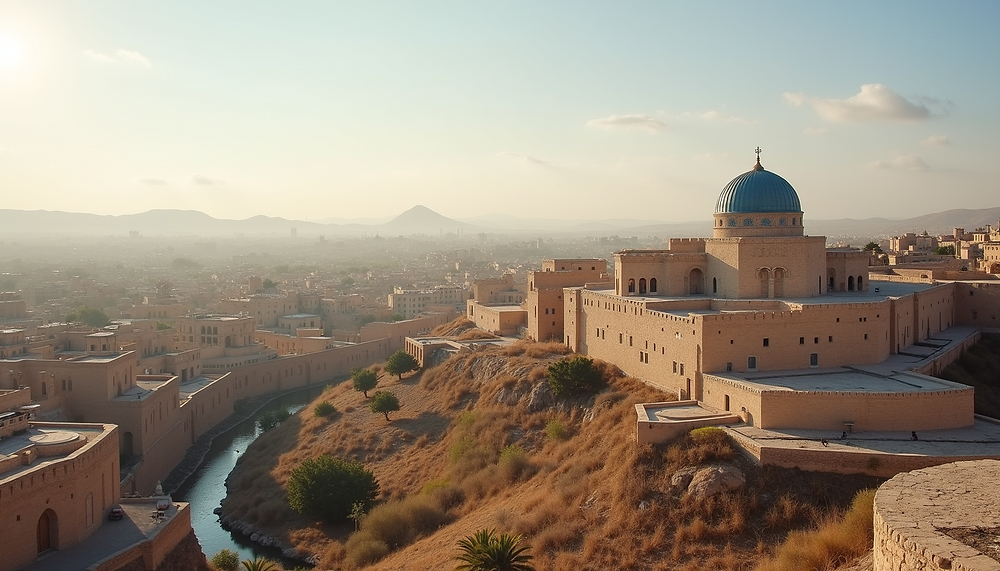
Under his leadership, Hama experienced remarkable growth. He constructed formidable walls for protection and developed palaces, bustling markets, and educational institutions. For example, he founded several madrasas, which were crucial for advancing Islamic education. A notable achievement was his support for Sufi scholars, creating a lively intellectual community that drew visitors from afar.
Military Campaigns and Challenges
Despite his successes, Al-Muzaffar Umar encountered significant challenges. In 1181, while stationed in Manbij, he faced the Zengid forces led by Izz ud-Din Mas'ud as they advanced towards Aleppo. Unfortunately, this military attempt ended in retreat. Yet, this failure did not diminish his resolve.
In 1183, Saladin appointed Umar as the viceroy of Egypt. This role came with many responsibilities, especially as Saladin's campaigns against the Crusaders intensified. Umar was charged with managing the province of Fayyum, where he founded two Sunni madrasas: one for Shafi'i scholars and another for Maliki teachings. This commitment to education resulted in increased literacy and scholarship in the region.
The Viceroy of Egypt
Umar's time in Egypt was a blend of achievements and obstacles. As viceroy, he oversaw a province engaged in crucial battles against the Crusaders. He remained focused on education, as seen in his establishment of the Manazil al-Izz madrasa in Cairo, which attracted scholars from diverse backgrounds.
The madrasa was built on the site of a former Fatimid residence and became a central hub for learning. This institution alone reinforced the educational landscape in Egypt. However, in 1185, Saladin appointed his son, al-Aziz Uthman, to administer Egypt, which shifted Umar's responsibilities. Despite this, Umar's legacy in Egyptian education endured.
The Legacy of Al-Muzaffar Taqi al-Din Umar
Al-Muzaffar Umar's reign concluded in 1191, but his impact continued long after. His urban development projects, commitment to education, and military initiatives left a lasting imprint on Hama and the broader Ayyubid dynasty.
Under his stewardship, Hama thrived economically, setting standards for future leaders. The madrasas he established became pivotal centers for Islamic education, fostering a blend of culture and intellect in the region. His support for Sufism and religious scholarship encouraged a spirit of inquiry, dedication, and community that resonated across the Islamic world.
Furthermore, despite facing military setbacks, Al-Muzaffar Umar’s strategic decisions reflected the complexities of leadership. The challenges he faced mirrored the struggles of many Muslim leaders during the Crusades, showcasing his resilience and dedication to his people's welfare.
Reflections on Al-Muzaffar Taqi al-Din Umar's Legacy
The journey of Al-Muzaffar Taqi al-Din Umar illustrates how leadership, culture, and military strategy intertwine. His contributions to Hama and Egypt, especially in education and urban development, have made a long-lasting impact.
As we remember his life, we see the importance of leaders who value education and community. Al-Muzaffar Umar's story serves as an inspiration for future generations, underlining the enduring influence of visionary leaders in history.
References
Al-Muzaffar Taqi al-Din Umar - Historical Overview
The Ayyubid Dynasty and Its Influence
Cultural Contributions of Al-Muzaffar Umar
Military Campaigns in the Crusades
The Role of Education in Medieval Islamic Society
https://www.geni.com/people/Al-Muzaffar-Umar-Emir-of-Hama/6000000032037038902