Al-Malik Al-Aziz Uthman ibn Salah Ad-Din Yusuf, the second Ayyubid Sultan of Egypt, is a figure of both historical significance and intrigue. Born in 1171 and the second son of the legendary Saladin, he faced numerous challenges throughout his reign. Saladin was recognized for his military leadership during the Crusades, which adds to the weight of expectations placed on Al-Aziz. This post explores Al-Aziz's life, focusing on his ambitions, political maneuvering, and his bold, albeit unsuccessful endeavors regarding the Great Pyramids.
Early Life and Ascension to Power
Al-Aziz was born into a world of wealth and conflict. After Saladin's death, the Ayyubid Empire split among his sons, with Al-Aziz modeling his authority in Egypt. This split led to fierce rivalries, particularly with his brothers who sought control over their father's vast territories.
Al-Aziz inherited not just a kingdom but a complex web of alliances and rivalries. Despite being granted the title of supreme leader of the Ayyubid Empire, immediate crises arose. The Zengid emirs in Mosul and the Artuqids in southern Iraq posed significant threats. In his first year of ruling Egypt, Al-Aziz faced the pressing need to extend his authority both internally and in the region.
His early reign was filled with political turbulence as he attempted to establish dominance over his brothers. Notably, his campaign to regain control of Syria from Al-Afdal, his brother, showcased his ambitions. Al- Aziz enacted a well-planned strategy, despite the considerable risks involved.
The Struggle for Syria
In 1194, Al-Aziz initiated a siege on Damascus, a key city within the Ayyubid Empire. His goal was straightforward: reclaim Syria and secure his position over his brothers. However, Al-Afdal, aware of the threat this posed, sought assistance from their uncle Al-Adil I, which caused a temporary stalling of hostilities. This intervention highlighted the intricate relationships within the Ayyubid dynasty.
Unfazed by this setback, Al-Aziz renewed his efforts in 1195 to conquer Syria. However, miscommunications and dissent caused delays. In fact, reports indicated that nearly 20% of Al-Aziz's emirs switched sides, siding with Al-Afdal due to persuasive agreements. Despite these challenges, Al-Adil I saw potential in Al-Aziz's cause and allied with him, eventually leading to the capture of Al-Afdal in July 1196. This victory was symbolic, marking a shift in power dynamics within the Ayyubid realm. Following this, Al-Aziz was recognized as the Ayyubid overlord, yet real influence largely rested with Al-Adil I, who governed from Damascus.
Ambitions Beyond Warfare
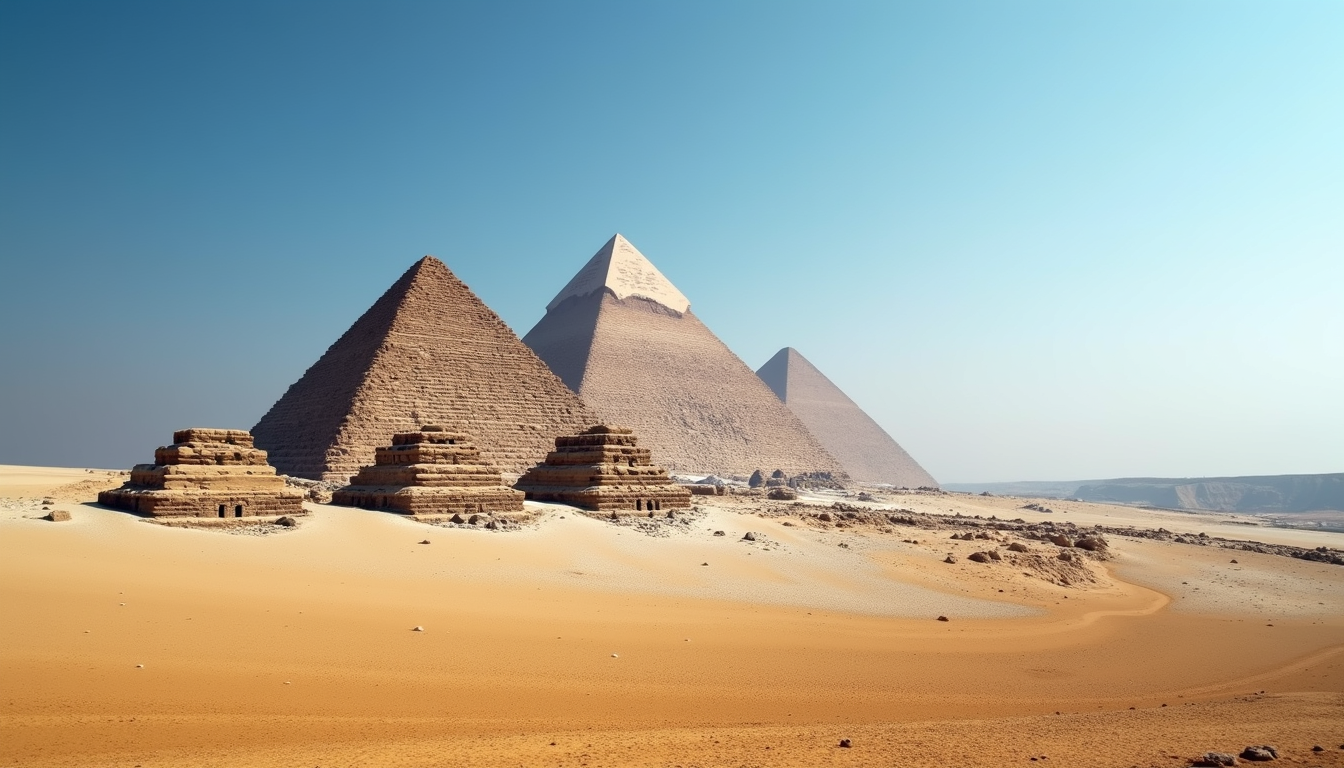
Though Al-Aziz was a military leader, he harbored grand visions for Egypt, including the drastic demolition of the Great Pyramids of Giza. This remarkable endeavor represented his desire to redefine Egypt’s identity and assert control over its storied history.
The scope of this project, however, proved more significant than he could manage. While he never completed the demolition, his actions resulted in damage to Menkaure's Pyramid, illustrating a complex mix of ambition and limitation. This episode serves as a reminder of the challenges rulers face when attempting to leave a bold legacy.
Contributions to Architecture and Culture
Despite the many challenges he faced, Al-Aziz significantly impacted architecture and cultural life in his era. Notable projects like the construction initiatives at Banias and Subaybah highlight his commitment to enhancing Egypt's infrastructure. These ventures not only satisfied practical needs but also bolstered the aesthetic landscape reflective of the Ayyubid dynasty's ambition.
The period under Al-Aziz also witnessed a flourishing of art and scholarship. The Ayyubid dynasty is renowned for its cultural contributions, with Al-Aziz actively supporting scholars and artists. His patronage led to a notable increase in intellectual output, with historians reporting that the number of prominent scholars in Cairo doubled during his reign.
The End of an Era
Sadly, Al-Aziz's reign was abruptly terminated due to a hunting accident in late 1198, cutting short a period rich with potential. He was buried alongside his older brother, Al-Mu'azzam, highlighting both familial connections and the tumultuous nature of leadership within the Ayyubid dynasty.
Al-Aziz's legacy remains a fascinating blend of ambition, strife, and cultural contribution. His endeavors to navigate the complex political landscape of the Ayyubid Empire are mirrored in both his military efforts and his plans for Egypt's historical landmarks.
Reflecting on His Legacy
Al-Malik Al-Aziz Uthman ibn Salah Ad-Din Yusuf stands as a compelling figure in history. His reign, marked by ambition and conflict, illustrates the broader struggles of leadership during chaotic times. From intense power struggles with his brothers to bold but ultimately unrealized plans for the Great Pyramids, Al-Aziz’s life embodies the challenges and ambitions of rulers during the Ayyubid era.
In studying his story, we gain insights into the intricate tapestry of history that shapes our understanding of the past. Al-Aziz's journey is a poignant reminder of ambition's complexities in leadership and the lasting impact of one's choices on future generations.
References
The Ayyubid Dynasty: A Historical Overview
Saladin and His Legacy
The Great Pyramids: History and Mysteries
Architecture in the Ayyubid Period
The Political Landscape of the Ayyubid Empire
https://worldhistoryedu.com/al-aziz-uthman-the-sultan-of-egypt-who-tried-to-destroy-the-pyramids/