top of page

Tapsi: The Kurdish Layered Aubergine Casserole


Tapsi: The Kurdish Layered Aubergine Casserole


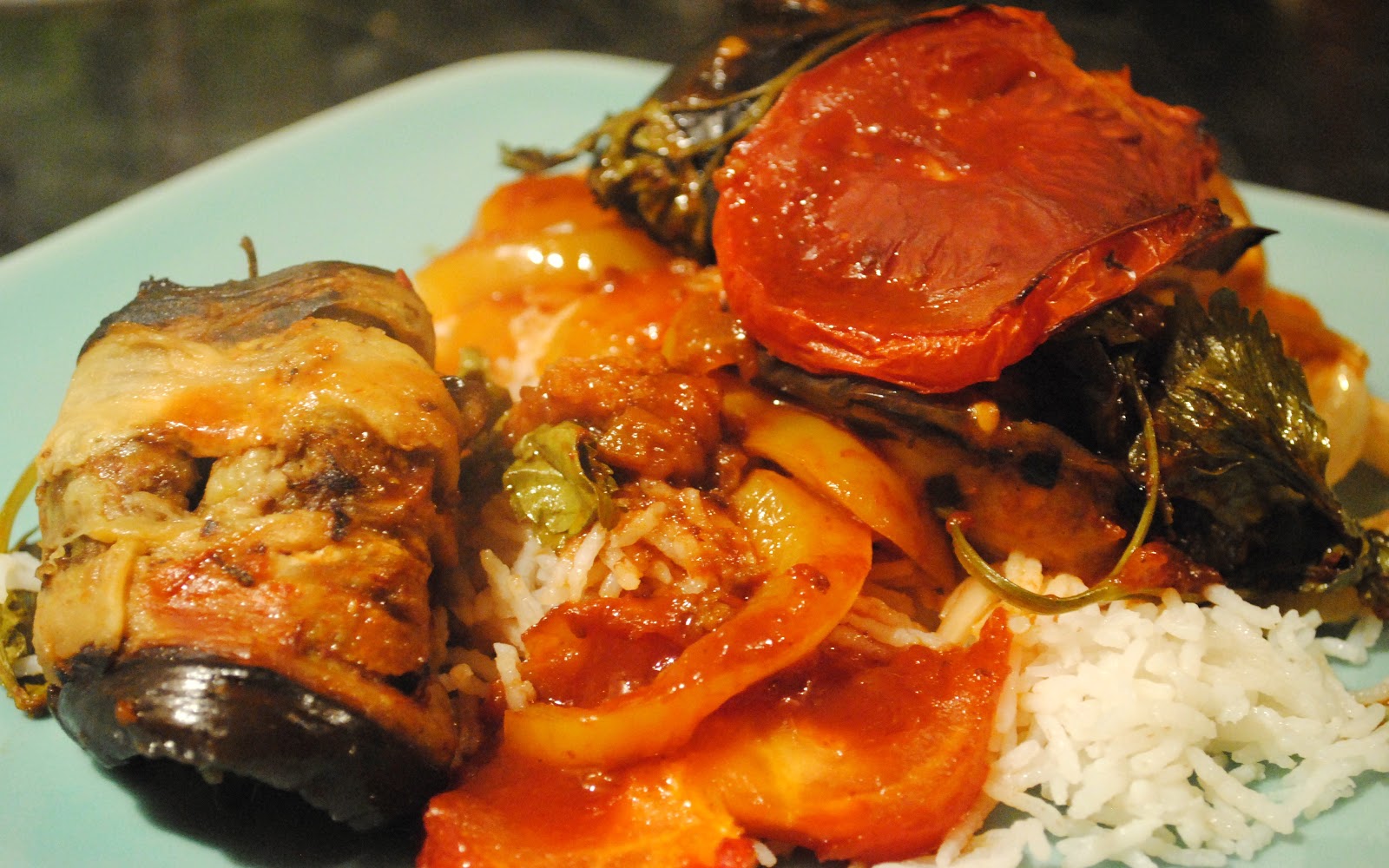
Tapsi — also spelled tepşî — is a Kurdish layered casserole of aubergine, potato, onion, green pepper, and tomato, each vegetable fried or baked on its own, then layered in a dish and braised in a tomato sauce. It can be made meatless or built around kofta, and is finished, in the most authentic versions, with a sour note of pomegranate molasses. Kurdish cooks describe it plainly. One calls tepsi “a Kurdish eggplant casserole that can easily be made vegan, simply by leaving the beef out.” Another, cooking from Sulaymaniyah, presents “Tapsi Bainjan: a traditional Kurdish aubergine dish.” A third names the defining technique: “fry each type of vegetable separately, because each layer has to consist of a different vegetable.” That separate-frying, separate-layering method is what gives tapsi its texture — every vegetable keeps its own character inside the shared sauce. The wider world tends to file the dish as “Iraqi,” under the name tepsi baytinijan. But in Kurdish homes from Sulaymaniyah to the diaspora it is simply tapsi — a weeknight casserole and a vegetarian centrepiece, soured the Kurdish way with pomegranate. This is the eighty-fifth article in the series, and tapsi adds the baked, layered vegetable dish to the Kurdish table — proof that Kurdish cooking is as much about vegetables and patience as it is about meat and fire.


Key Takeaways


• A layered casserole of aubergine, potato, onion, pepper, and tomato braised in tomato sauce


• Each vegetable is fried separately, then layered — the defining Kurdish technique


• Made vegan or with kofta; soured the Kurdish way with pomegranate molasses


• Documented by Kurdish cooks as Kurdish — though often filed internationally as “Iraqi”


Quick Facts


Kurdish Name: Tapsi / Tepşî (تەپسی) — layered vegetable casserole

Type: Baked/braised layered vegetable dish — vegan or with kofta

Ingredients: Aubergine, potato, onion, green pepper, tomato, garlic, pomegranate molasses

Served: With rice or bread — a weeknight meal and a vegetarian centrepiece


Traditional Preparation


The vegetables are sliced into rounds: aubergine, potato, onion, and tomato, with green pepper in chunks. The defining step is that each vegetable is cooked separately — the aubergine and potato fried or baked until lightly golden, the onions softened, so that each keeps its own texture. The aubergine is often salted first to draw out bitterness, and baked rather than fried to keep it from soaking up too much oil. A tomato sauce is built in a pan with garlic, tomato paste, and chopped tomatoes, brightened with lime juice and — in the most authentic versions — a spoonful of pomegranate molasses or tamarind for the Kurdish sour edge. The cooked vegetables are then layered in a deep dish: a bed of aubergine, then potato, then onion, then tomato, each lightly seasoned. If meat is used, small kofta are browned and tucked among the layers. The tomato sauce is poured over everything, and the whole dish is baked until bubbling and melded. The aubergine turns silky, the potato tender, and the sauce binds the layers into one rich, comforting whole. It is served hot with rice or bread.


The Kurdish Vegetable Table


It is easy to think of Kurdish food as meat over fire — the kebabs, the grilled liver, the rack of ribs. But a great deal of the Kurdish table is built on vegetables, and tapsi is its showpiece. Made without meat, it is a complete, satisfying meal, which is why it appears again and again in vegan and vegetarian Kurdish cooking. This vegetable depth is not new or trendy; it reflects a reality of mountain and village life, where meat was occasional and vegetables, grains, and legumes carried most meals. Tapsi sits alongside the other vegetable-forward dishes this series has documented: the foraged greens of avelik and çiriş, the bean shley of fasolya, the herb-stuffed dolma. And it carries the same Kurdish sour signature — here, pomegranate molasses — that runs through tirşik, şekalok, and dokliw. The world’s habit of filing tapsi as “Iraqi” misses both its Kurdish documentation and the point a Sulaymaniyah cook makes simply by calling it what it is: a traditional Kurdish aubergine dish.


Frequently Asked Questions


What is tapsi?


Tapsi (tepşî) is a Kurdish layered casserole of aubergine, potato, onion, green pepper, and tomato, braised in a tomato sauce. Each vegetable is fried or baked separately, then layered in a dish and cooked together. It can be made vegan or with kofta (meatballs), and is often soured with pomegranate molasses. It is served with rice or bread.

Why is each vegetable fried separately?


Cooking each vegetable on its own — the defining Kurdish technique for tapsi — lets each one reach the right texture before layering. Aubergine and potato take longer than tomato or onion, so frying them together would leave some raw and others mushy. Separate cooking means each layer keeps its own character inside the shared tomato sauce, giving the finished casserole its distinct, layered texture rather than a uniform mush.

Is tapsi a vegetarian dish?


It can be either. Tapsi is commonly made entirely vegan — the vegetables and tomato sauce make a complete meal on their own — and it is a staple of vegetarian Kurdish cooking. It can also be made with kofta (small meatballs) tucked among the layers. Both versions are traditional. The vegetable-only version reflects the vegetable-rich reality of Kurdish village cooking, where meat was often occasional.


Conclusion


Tapsi is the eighty-fifth article in this series, and it widens the picture of what Kurdish food is. Not every Kurdish dish is meat on a skewer; many are vegetables, cooked with patience and layered with care. Tapsi is aubergine made silky, potato made tender, the whole thing bound in a tomato sauce soured with pomegranate — a dish a Kurdish family can put on the table any weeknight, with meat or without. Kurdish cooks from Sulaymaniyah to the diaspora call it Kurdish, even as cookbooks file it under other flags. Eighty-five articles in, tapsi is a reminder that the Kurdish table is broad: it has room for the grilled ribs of Kirmaşan and, just as proudly, for a humble dish of layered vegetables, fried one at a time and baked into something greater than its parts.


References and Further Reading


Comments


bottom of page