Ali Hariri, also known as Sheikh Ahmed Bohtani, stands as a towering figure in Kurdish literary history. Born in 1009 in the village of Harir, within the Hakkâri district of Bohtan, Hariri’s work laid the foundation for classical Kurdish Sufi literature and helped shape the Kurdish literary tradition. His poetry, written in Kurmanji, is celebrated for its deep spiritual insight and vivid expressions of love—both for the divine and for Kurdistan itself. This post explores the life of Ali Hariri, his contributions to Kurdish literature, and the lasting impact of his work.
Early Life and Background
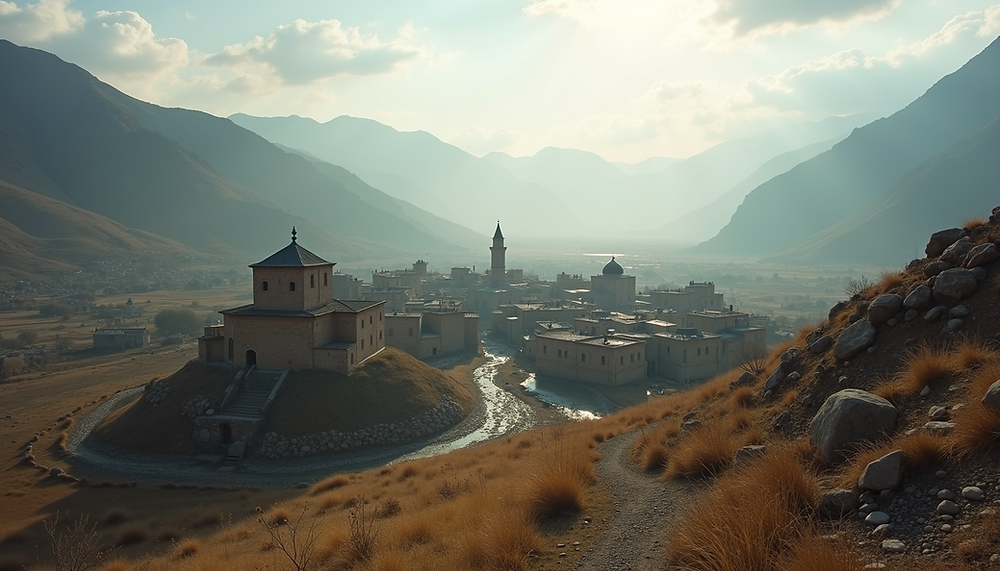
Ali Hariri was born in 1009 in Harir, a small village that was part of the Bohtan region. This area, rich in natural beauty and cultural heritage, deeply influenced his poetry. While detailed records of his early life are scarce, it is known that Hariri lived during a time when Kurdish culture and language were developing their unique identity. His upbringing in this environment provided fertile ground for his poetic imagination.
The first historical mention of Hariri came centuries later, in the 17th century, by the Kurdish poet Ahmad Khani. Despite the limited biographical information, Hariri’s work speaks volumes about his values and worldview. His poetry reveals a man deeply connected to his homeland and its people, expressing a profound love for Kurdistan’s landscapes and traditions.
Hariri’s Move to Damascus and Family
Historical accounts suggest that Hariri moved to Damascus to pursue further studies. Damascus, a center of Islamic learning and culture at the time, likely exposed him to a variety of intellectual and spiritual currents. This experience enriched his understanding of Sufism, which became a central theme in his poetry.
Hariri had a son named Şex Ehmed, who died in 1048. Şex Ehmed is believed to have been a mullah and a faqih, indicating that the family maintained a strong connection to religious scholarship. This lineage highlights the blend of spiritual and literary traditions that Hariri embodied.
Themes in Hariri’s Poetry
Ali Hariri’s poetry is renowned for its focus on love in multiple dimensions:
Love for the Divine: His verses often explore the mystical relationship between the human soul and God, reflecting Sufi ideals of spiritual union and devotion.
Love for Kurdistan: Hariri’s work celebrates the natural beauty of Kurdistan, from its mountains to its rivers, and the resilience of its people.
Human Love: His poems also touch on the universal theme of human love, portraying it as a path to understanding deeper spiritual truths.
His poetry was accessible and emotionally resonant, which helped it spread widely across Kurdish regions. The use of Kurmanji, the Kurdish dialect, made his work particularly significant in preserving and promoting Kurdish language and culture.
Contribution to Kurdish Literary Tradition
Ali Hariri is often credited as a pioneer of classical Kurdish Sufi literature. Before his time, Kurdish poetry existed but had not yet developed a distinct classical form. Hariri’s work helped establish this tradition by:
Introducing Sufi themes into Kurdish poetry.
Using Kurmanji as a literary language.
Creating a poetic style that combined spiritual depth with vivid imagery.
His influence can be seen in later Kurdish poets who continued to explore Sufi ideas and Kurdish identity through their writing. Hariri’s legacy is not only literary but also cultural, as he helped shape a sense of Kurdish pride and spiritual awareness.
Hariri’s Death and Sacred Legacy
Ali Hariri died around 1079 or 1080 in Cizre, a city that remains significant in Kurdish history. His grave has become a sacred site, attracting visitors and pilgrims every year. This reverence reflects the deep respect Kurdish people have for Hariri’s contributions to their culture and spirituality.
The continued visitation to his tomb underscores the lasting impact of his life and work. It serves as a physical reminder of the rich literary and spiritual heritage he left behind.
Why Ali Hariri Matters Today
Ali Hariri’s poetry remains relevant for several reasons:
Cultural Identity: His work strengthens Kurdish cultural identity by celebrating the language, landscape, and people.
Spiritual Inspiration: His Sufi themes offer timeless reflections on love and the human connection to the divine.
Literary Foundation: Hariri’s pioneering role provides a foundation for Kurdish literature, inspiring generations of poets and writers.
For anyone interested in Kurdish culture or Sufi literature, exploring Hariri’s poetry offers valuable insights into the historical and spiritual roots of the region.