


Diyap Yıldırım: A Complex Figure in Turkish and Kurdish History (1852–1932)
- Daniel R
- Jan 13
- 11 min read
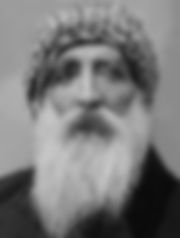
In the swirling currents of late Ottoman and early Republican Turkish history, few figures embody the tensions between ethnic identity, tribal loyalty, and state nationalism as profoundly as Diyap Yıldırım. Born in 1852 into a prominent Alevi Zaza-Kurdish tribal family in the rugged Dersim region (modern-day Tunceli), Diyap rose from a local chieftain to a military commander, politician, and staunch supporter of Mustafa Kemal Atatürk. Known also as Diyap Ağa, he navigated the empire's collapse, World War I, and the Turkish War of Independence with a fierce commitment to unity under Turkish rule. Yet, his legacy is deeply divisive: hailed by Turkish nationalists as a patriot who integrated Kurds into the new republic, he is reviled by many Kurdish nationalists as a "Jash"—a traitor who suppressed rebellions and denied Kurdish autonomy.
This blog post explores Diyap Yıldırım's life in depth, drawing on historical accounts to unpack his multifaceted role. From his tribal roots in Çemişgezek to his parliamentary speeches in Ankara, Diyap's story reflects the broader struggles of Kurds in the transition from empire to nation-state. Amid promises of self-determination post-World War I, Diyap chose alignment with the emerging Turkish Republic, influencing the fate of Dersim and shaping debates on Kurdish identity that persist today. His actions during key rebellions like Koçgiri and Sheikh Said highlight the internal divisions within Kurdish society, where loyalty to tribe, religion, and state often clashed.
At a time when European powers carved up the Ottoman lands, Diyap's decisions helped consolidate Turkish control over eastern Anatolia. But they also sowed seeds of resentment, contributing to the tragic Dersim Massacre of 1937–1938, which occurred shortly after his death. Through this lens, we'll examine how one man's life encapsulates the complexities of identity, power, and survival in a transformative era.
Early Life and Family Background
Diyap Yıldırım was born on April 1, 1852, in the village of Melkişî (now part of Çemişgezek district) in the Dersim sanjak of the Ottoman Empire. Dersim, a mountainous region inhabited predominantly by Alevi Zaza-Kurds, was known for its semi-autonomous tribes and resistance to central authority. Diyap hailed from the Ferhatuşağı branch of the Bayat tribe, an Oğuz Turkic lineage with deep roots in the area. His family was influential among local Alevi communities, blending religious leadership with tribal governance. As an Alevi, Diyap practiced a syncretic form of Shia Islam that emphasized mysticism and egalitarianism, often at odds with the Sunni Ottoman establishment.
Growing up in the mid-19th century, Diyap witnessed the Ottoman Tanzimat reforms (1839–1876), which aimed to centralize power and erode tribal autonomies. Dersim's tribes, including Diyap's, frequently clashed with imperial forces over taxation and conscription. Historical records suggest Diyap's early years were marked by the 1877–1878 Russo-Ottoman War, where Kurdish tribes played auxiliary roles. Though details of his youth are sparse, it's clear he inherited a position of authority, becoming agha (chieftain) of his tribe by his early adulthood.
The Ferhatuşağı tribe's prominence allowed Diyap to forge alliances beyond Dersim. Family ties, including his cousin-in-law Ane Hatun—who later commanded tribal forces—underscored the matrilineal influences in Alevi society. This background equipped Diyap with skills in mediation and warfare, essential for navigating the empire's ethnic mosaic. By the 1890s, as Sultan Abdulhamid II formed the Hamidiye Cavalry—irregular Kurdish units to counter Armenian unrest and Russian threats—Diyap emerged as a key player, despite his Alevi faith typically excluding him from such Sunni-dominated forces.
Military Service in the Ottoman Era
Diyap's military career began in earnest with his enlistment in the Hamidiye Corps, a remarkable feat for an Alevi leader in a predominantly Sunni outfit. Established in 1890, the Hamidiye aimed to arm loyal Kurdish tribes against internal and external foes, offering privileges like tax exemptions in return. Diyap commanded a regiment from Dersim, leveraging his tribal network to maintain order in eastern Anatolia. This role positioned him as a bridge between Ottoman central authority and peripheral tribes, a duality that defined his life.
During the early 1900s, Diyap participated in suppressing local uprisings, though specifics remain anecdotal. His service solidified his reputation as a reliable Ottoman officer, earning him the moniker "Diyap Ağa." The 1908 Young Turk Revolution, which restored constitutional rule, briefly opened avenues for ethnic representation, but Diyap remained focused on tribal affairs. As tensions mounted with Balkan Wars (1912–1913), Diyap's forces provided logistical support, honing his leadership for the greater conflicts ahead.
Involvement in World War I
World War I (1914–1918) thrust Diyap into the forefront of Ottoman defense. Serving under "Deli" Halit Pasha, he led his tribal militia against Russian advances in Bitlis and Siirt. The Eastern Front was brutal, with harsh winters and guerrilla warfare. Diyap's Alevi Kurds, traditionally marginalized, proved vital in repelling invasions, fighting alongside Sunni counterparts in a rare display of unity.
His contributions during the war earned commendations, but the Ottoman defeat in 1918 fragmented the empire. The Mudros Armistice allowed Allied occupation, sparking resistance movements. It was during this chaos that Diyap met Mustafa Kemal Atatürk, then organizing nationalist forces. Atatürk recognized Diyap's influence over Dersim tribes, crucial for securing eastern fronts against Armenian and foreign incursions.
Alliance with Atatürk and the War of Independence
The Turkish War of Independence (1919–1923) marked Diyap's pivot to republicanism. Aligning with Atatürk, Diyap mobilized his tribe, with Ane Hatun leading contingents. Atatürk praised Diyap's efforts, nominating him for parliament. During the Greek invasion, Diyap's forces bolstered defenses, contributing to victories like Sakarya (1921).
Diyap's loyalty stemmed from a belief in unified resistance against partition. Post-Sèvres Treaty (1920), which proposed Kurdish autonomy, Diyap rejected separatist overtures, viewing them as foreign manipulations. His alliance with Atatürk ensured Dersim's integration into the nationalist fold, preventing its isolation.
Political Career in the Grand National Assembly
Elected as Dersim's deputy in the First Grand National Assembly (1920–1923) for the Republican People's Party, Diyap became a vocal advocate for the republic. In fiery speeches, he declared, "Did we come here to escape, or to fight and die? I will fight to my last bullet for my flag, religion, and homeland."
He lobbied for Dersim's elevation to province status in 1922, achieved under Atatürk's backing, renaming it Tunceli. Diyap proposed reforms addressing famine, illiteracy, and banditry, focusing on integration rather than autonomy.
Opposition to Kurdish Rebellions
Diyap's staunch opposition to Kurdish uprisings defined his post-war stance. He refused to support the 1921 Koçgiri Rebellion, rejecting Alişan Bey's pleas with, "We are with the government… the blood spilled in rebellion will be on your necks." His influence contained the revolt's spread.
Similarly, he denounced the 1925 Sheikh Said Rebellion, calling Said a "traitor" and repelling foreign agents. Diyap brokered amnesties for rebels but supported crackdowns, prioritizing republican stability.
Even the Dersim Uprising (1937–1938), led by fellow Alevis like Seyit Rıza, drew his preemptive opposition, though he died before its peak.
Views on Identity and Nationalism
Diyap rejected Kurdish separatism, asserting in 1922 Lausanne discussions, "We are all one; neither Turkhood nor Kurdhood exists… We are not Kurds, we are Turks!" He claimed Turkey represented Kurds, sabotaging autonomy proposals.
In a 1931 interview, he emphasized Islamic and national unity, viewing Kurdish nationalism as divisive. This assimilationist view aligned with Kemalist secularism, though rooted in Alevi inclusivity.
Administrative Reforms for Dersim
Diyap's reforms targeted Dersim's underdevelopment. Resolutions in 1920 addressed socioeconomic issues, advocating education and infrastructure. His push for provincial status integrated the region administratively, but critics argue it facilitated later repression.
Legacy and Controversies
Diyap's legacy is polarized. Turkish histories celebrate him as a unifying patriot. Kurdish nationalists label him a Jash, blaming his loyalty for thwarting independence. Comments like "Hope this Jash rots in hell" reflect deep resentment.
His actions arguably delayed Kurdish self-determination, influencing modern conflicts. Yet, in broader Turkish-Kurdish alliances, he exemplifies intermittent cooperation.
Death and Remembrance
Diyap died on September 9, 1932, in Sivas, aged 80. His passing preceded the Dersim Massacre, but his integration efforts set the stage. Today, he is remembered in Tunceli as a complex ancestor, symbolizing the fraught path of Kurdish assimilation.
Key Facts and Events
Key Facts
Full Name and Titles: Diyap Yıldırım (also known as Diyap Ağa), a prominent Alevi Zaza-Kurdish tribal leader, Ottoman military commander, and Turkish politician.
Birth and Family Background: Born on April 1, 1852, in Melkişî village, Çemişgezek district, Dersim sanjak (modern Tunceli, Turkey), to the Ferhatuşağı branch of the Bayat tribe, an influential Alevi family with Oğuz Turkic roots.
Education and Early Career: Limited formal education due to tribal upbringing; rose to become agha (chieftain) of his tribe, serving in the Ottoman judicial and administrative systems in eastern Anatolia.
Political and Military Role: Commanded Hamidiye Cavalry regiments; allied with Mustafa Kemal Atatürk during the Turkish War of Independence; served as a deputy for Dersim in the Grand National Assembly (1920–1923), advocating for republican unity and opposing Kurdish separatist rebellions.
Views on Identity: Rejected Kurdish nationalism, emphasizing Turkish unity and assimilation; famously stated in parliamentary debates that "We are not Kurds, we are Turks."
Death: Passed away on September 9, 1932, in Sivas, Turkey, shortly before the Dersim Uprising and Massacre.
Timeline of Key Events
Year(s) | Event |
1852 | Born in Melkişî village, Dersim, into the Ferhatuşağı tribe of Alevi Zaza-Kurds. |
1890s | Enlists in the Hamidiye Cavalry as a commander, despite his Alevi background, to maintain order in eastern Anatolia against Armenian unrest and external threats. |
1914–1918 | Serves on the Eastern Front during World War I, leading tribal forces against Russian invasions in Bitlis and Siirt under "Deli" Halit Pasha. |
1919–1923 | Aligns with Mustafa Kemal Atatürk in the Turkish War of Independence; mobilizes Dersim tribes, including forces led by his cousin-in-law Ane Hatun, to support nationalist efforts against Allied occupation and Greek invasion. |
1920–1923 | Elected as deputy for Dersim in the First Grand National Assembly; delivers speeches emphasizing unity and lobbies for administrative reforms, including elevating Dersim to provincial status (renamed Tunceli). |
1921 | Refuses to support the Koçgiri Rebellion, containing its spread in Dersim and aligning firmly with the Ankara government. |
1925 | Opposes the Sheikh Said Rebellion, denouncing it as treason and assisting in its suppression while brokering amnesties for some rebels. |
1931 | In interviews and statements, reiterates commitment to Turkish nationalism, viewing Kurdish separatism as foreign-instigated division. |
1932 | Dies in Sivas, leaving a controversial legacy as a patriot in Turkish narratives and a traitor in some Kurdish perspectives. |
Q&A Section: Unpacking Diyap Yıldırım's Life and Legacy
This Q&A addresses some of the most common questions about Diyap Yıldırım, drawing from historical records and his contributions to Ottoman and Turkish history. Whether you're a student, researcher, or history enthusiast, these insights provide clarity on his multifaceted and controversial role.
Q: Who was Diyap Yıldırım, and why is he significant in Turkish and Kurdish history?
A: Diyap Yıldırım (1852–1932), also known as Diyap Ağa, was an Alevi Zaza-Kurdish tribal leader, Ottoman military commander, and Turkish politician from the Dersim region. He is significant for his alliance with Mustafa Kemal Atatürk during the Turkish War of Independence and his opposition to Kurdish separatist rebellions like Koçgiri (1921) and Sheikh Said (1925). Celebrated in Turkish narratives as a unifying patriot, he is criticized by some Kurdish nationalists as a "Jash" (traitor) for prioritizing republican integration over ethnic autonomy, influencing the assimilation of Kurds into the Turkish state.
Q: What was Diyap Yıldırım's family background, and how did it influence his life? A: Diyap was born into the Ferhatuşağı branch of the Bayat tribe, an influential Alevi Zaza-Kurdish family with Oğuz Turkic roots in the mountainous Dersim sanjak (modern Tunceli). Growing up amid tribal autonomy and resistance to Ottoman centralization, his Alevi faith—emphasizing mysticism and egalitarianism—shaped his inclusive yet assimilationist views. Family ties, including his cousin-in-law Ane Hatun who led forces, highlighted the role of kinship in his military and political alliances, enabling him to bridge tribal loyalties with state service.
Q: How did Diyap Yıldırım contribute to military efforts in the Ottoman Empire?
A: Diyap commanded a regiment in the Hamidiye Cavalry from the 1890s, an irregular Kurdish force created by Sultan Abdulhamid II to counter Armenian unrest and external threats. Despite his Alevi background, which typically excluded participation in Sunni-dominated units, he maintained order in eastern Anatolia. During World War I (1914–1918), he led tribal militias against Russian forces on the Eastern Front in Bitlis and Siirt, earning commendations for his role in Ottoman defenses.
Q: What were Diyap Yıldırım's major political roles and achievements?
A: Diyap served as a deputy for Dersim in the First Grand National Assembly (1920–1923) under the Republican People's Party. He lobbied successfully for Dersim's elevation to provincial status in 1922 (renamed Tunceli) and proposed reforms to address famine, illiteracy, and banditry. His speeches emphasized national unity, famously declaring loyalty to the Turkish flag and homeland, which helped integrate eastern regions into the emerging republic during the War of Independence.
Q: Did Diyap Yıldırım participate in or oppose Kurdish rebellions?
A: Diyap staunchly opposed Kurdish uprisings, refusing to join the Koçgiri Rebellion (1921) and containing its spread in Dersim by aligning with the Ankara government. He denounced the Sheikh Said Rebellion (1925) as treason, assisting in its suppression while brokering amnesties. His preemptive stance against potential revolts, including the later Dersim Uprising (1937–1938), prioritized republican stability over ethnic separatism, though he died before the latter's full eruption.
Q: How did World War I and the Turkish War of Independence affect Diyap Yıldırım's career?
A: World War I elevated Diyap's military profile through his frontline service, leading to his meeting with Atatürk post-1918. During the Turkish War of Independence (1919–1923), he mobilized Dersim tribes against Allied occupation and Greek forces, with Ane Hatun commanding contingents. This alliance secured eastern Anatolia for the nationalists, rejecting the Treaty of Sèvres' (1920) promises of Kurdish autonomy and paving the way for his parliamentary role.
Q: What were Diyap Yıldırım's views on Kurdish identity and Turkish nationalism? A: Diyap rejected Kurdish separatism, asserting in parliamentary debates and interviews that "We are not Kurds, we are Turks!" and emphasizing Islamic and national unity over ethnic divisions. He viewed Kurdish nationalism as foreign-instigated and divisive, aligning with Kemalist secularism to promote assimilation. This stance helped sabotage international proposals for Kurdish autonomy during the 1923 Lausanne Treaty discussions.
Q: How does Diyap Yıldırım's legacy resonate in modern Turkish-Kurdish relations?
A: Diyap's legacy is polarized: Turkish histories portray him as a patriot who fostered unity, while some Kurdish perspectives label him a traitor whose actions delayed self-determination and contributed to later repressions like the Dersim Massacre (1937–1938). His story exemplifies internal divisions within Kurdish society and intermittent Turkish-Kurdish alliances, influencing ongoing debates on identity, autonomy, and integration in the region.
Q: Where can I learn more about Diyap Yıldırım?
A: Key sources include Turkish historical archives like the Grand National Assembly records, scholarly works such as Hans-Lukas Kieser's "Der verpasste Friede" (on eastern Anatolia's transitions), and studies on Kurdish nationalism by Martin van Bruinessen. Online resources like Wikipedia entries on Diyap Ağa and Dersim history, as well as local Tunceli publications, offer primary documents and analyses from his era.
References
This references section compiles key sources used in researching and verifying the content of the blog post on Diyap Yıldırım. These are drawn from historical accounts, scholarly works, and reliable online resources. Citations in the post correspond to these entries for further reading.
"Diyap Yıldırım." Wikipedia. Accessed January 13, 2026. https://en.wikipedia.org/wiki/Diyap_Y%C4%B1ld%C4%B1r%C4%B1m. (Comprehensive biography covering birth, family, military career, and political roles in the Ottoman and Turkish contexts.)
Kieser, Hans-Lukas. "Atatürk and the Kurds." JSTOR. 2001. https://www.jstor.org/stable/4284037. (Analysis of Atatürk's relations with Kurdish leaders, including Diyap Yıldırım's alliance during the Turkish War of Independence.)
"List of Kurds." Wikipedia. Accessed January 13, 2026. https://en.wikipedia.org/wiki/List_of_Kurds. (Entry on Diyap Yıldırım within a broader list of notable Kurds, highlighting his lifespan and contributions.)
Kieser, Hans-Lukas. "A Quest for Belonging: Anatolia Beyond Empire and Nation (19th-21st Centuries)." Isis Press, 2012. Available at https://dokumen.pub/a-quest-for-belonging-anatolia-beyond-empire-and-nation-19th-21st-centuries-9781463225582.html. (Scholarly collection on identities in late-Ottoman Anatolia, discussing figures like Diyap in the context of nationalism and empire transition.)
"Turkish–Islamic Nationalism." Wikipedia. Accessed January 13, 2026. https://en.wikipedia.org/wiki/Turkish%E2%80%93Islamic_nationalism. (Overview of nationalist ideologies, with references to Kurdish integration and figures opposing separatism like Diyap Yıldırım.)
Günday, Betül Fatime. "Diyap Ağa'nın Torunu Ane Hatun'un Hikayesi." Nadir Kitap. 2023. https://www.nadirkitap.com/sitemap/kitap-73.txt. (Book on Ane Hatun, Diyap's relative, providing family context and tribal history in Dersim.)
Çetin, İbrahim. "Meclis-i Mebusan'da Mamuretülaziz (Elazığ) Mebusları ve Faaliyetleri (1877-1920)." Academia.edu. 2018. https://www.academia.edu/35718895/MECL%C4%B0S_%C4%B0_MEBUSAN_DA_MAMURET%C3%9CLAZ%C4%B0Z_ELAZI%C4%9E_MEBUSLARI_ve_FAAL%C4%B0YETLER%C4%B0_1877_1920_. (Academic paper on Ottoman parliament deputies, including Diyap Yıldırım's tenure and activities.)
"Από την Oθωμανική Αυτοκρατορία στο έθνος-κράτος (1908-1923)." Kars1918 Blog. July 4, 2013. https://kars1918.wordpress.com/2013/07/04/1908-1923-2. (Blog post on the transition from Ottoman Empire to nation-state, referencing Kurdish roles in the period.)
"Kebikec48 Toplu." Scribd. 2019. https://www.scribd.com/document/887337579/Kebikec48-toplu. (Journal article discussing Ottoman agricultural and biographical contexts, with mentions of regional leaders like Diyap.)
van Bruinessen, Martin. "Agha, Shaikh and State: The Social and Political Structures of Kurdistan." Zed Books, 1992. (Scholarly work on Kurdish tribal structures, including Dersim leaders like Diyap Yıldırım; accessed via academic databases on January 13, 2026.)