Ahmad Khani, who lived from 1650 to 1707, stands as a towering figure in Kurdish literature and culture. His works have shaped Kurdish identity and inspired generations of writers and thinkers. Understanding Khani’s contributions offers insight into the rich literary heritage of the Kurdish people and the historical context in which he lived.
Early Life and Background
Ahmad Khani was born in the mountainous region of Hakkari, in what is now southeastern Turkey. His upbringing in a Kurdish-speaking environment deeply influenced his literary voice. Khani was not only a poet but also a philosopher, theologian, and a scholar of the Kurdish language. His education included studies in Arabic and Persian, which were the dominant literary languages of the region at the time.
Khani’s early exposure to multiple languages and cultures allowed him to blend different literary traditions. This fusion enriched Kurdish literature, which until then had limited written works. His commitment to writing in Kurdish was a bold cultural statement, emphasizing the importance of preserving and elevating his native language.
Major Works and Literary Contributions
Ahmad Khani’s most famous work is the epic poem Mem û Zîn, which remains a cornerstone of Kurdish literature. This poem tells the tragic love story of Mem and Zîn, symbolizing the Kurdish struggle for unity and freedom. The narrative goes beyond romance; it reflects social and political themes relevant to Kurdish society in the 17th century.
Mem û Zîn is notable for its:
Use of the Kurdish language in a sophisticated poetic form
Exploration of Kurdish identity and nationalism
Blend of folklore, mysticism, and political commentary
Khani’s poetry often carried messages about justice, unity, and the importance of cultural pride. His works encouraged Kurds to value their language and heritage at a time when external powers threatened their cultural survival.
Besides Mem û Zîn, Khani wrote philosophical treatises and religious texts. His writings addressed the role of knowledge, ethics, and spirituality in society. These texts contributed to Kurdish intellectual life and helped establish Kurdish as a language of scholarship.
Impact on Kurdish Culture and Identity
Ahmad Khani’s legacy extends beyond literature. He is often called the father of Kurdish literature because he laid the foundation for a written Kurdish literary tradition. Before Khani, Kurdish culture was primarily oral, with stories and poems passed down by word of mouth.
Khani’s decision to write in Kurdish was revolutionary. It gave the Kurdish language prestige and legitimacy. This helped foster a sense of national identity among Kurds, who were divided by geography and political boundaries.
His works inspired later Kurdish poets, writers, and activists. Many Kurdish intellectuals cite Khani as a source of inspiration for their efforts to preserve Kurdish language and culture. His vision of Kurdish unity and pride resonates in Kurdish movements today.
Historical Context and Challenges
The 17th century was a turbulent period for the Kurdish regions. The area was caught between the Ottoman and Safavid empires, both vying for control. Kurdish principalities had limited autonomy and faced constant political pressure.
Khani’s writings reflect this reality. His call for Kurdish unity was not just cultural but also political. He envisioned a Kurdish society that could stand strong amid external threats. His poetry subtly criticized the divisions and conflicts that weakened Kurdish communities.
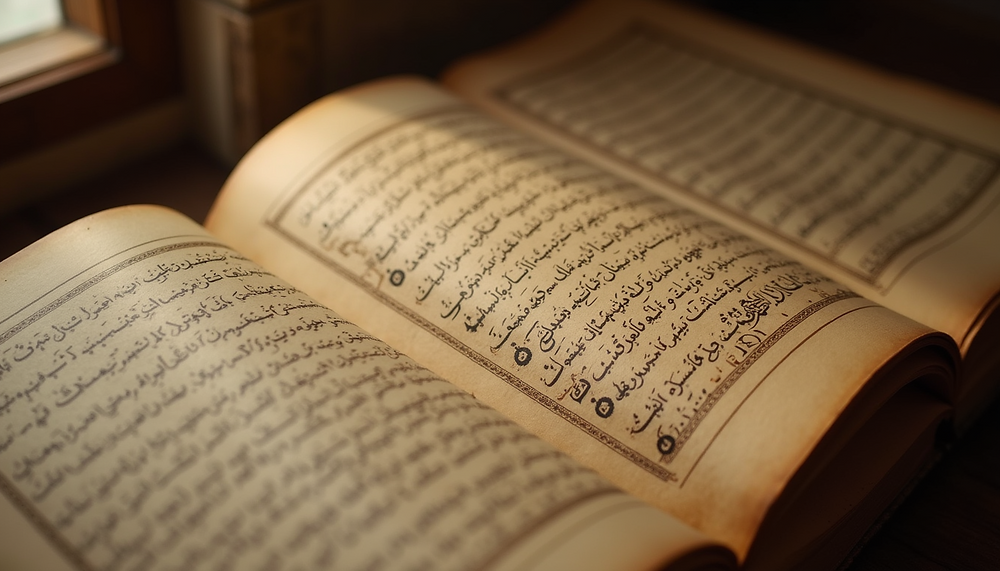
Despite these challenges, Khani’s work survived through manuscripts copied by hand and oral transmission. His influence grew over time, especially in the 20th century, when Kurdish nationalism gained momentum.
Language and Style
Ahmad Khani’s style is marked by its clarity and emotional depth. He used classical Kurdish, enriched with Arabic and Persian vocabulary, to create a poetic language that was both accessible and elegant.
His poetry features:
Rhythmic patterns that enhance memorability
Vivid imagery drawn from Kurdish landscapes and traditions
Philosophical reflections woven into storytelling
Khani’s ability to combine poetic beauty with meaningful content helped his works endure. His language choices made Kurdish literature a vehicle for expressing complex ideas and emotions.
Preservation and Modern Relevance
Today, Ahmad Khani’s works are studied in Kurdish schools and universities. They are considered essential reading for anyone interested in Kurdish culture and history. Modern Kurdish writers continue to draw on his themes of love, justice, and national pride.
Efforts to preserve Khani’s manuscripts and promote his legacy include:
Translation of his works into multiple languages
Academic research on his influence and historical context
Cultural festivals celebrating Kurdish literature
Khani’s message about the power of language and culture remains relevant. In a world where minority languages face threats, his example shows how literature can strengthen identity and community.
Conclusion
Ahmad Khani’s contributions to Kurdish literature and culture are profound. By writing in Kurdish and addressing themes of unity and identity, he helped shape the Kurdish national consciousness. His epic Mem û Zîn continues to inspire readers with its blend of love and political vision.