Arkawazi’s southern Kurdish poetry brings together devotion, imprisonment, exile and grief for his son, with life dates that remain uncertain.
A poet from the Ilam region
Gholam Reza Khan Arkawazi, also written Khulam Rada Khan Arkawazi, belongs to the Feyli or southern Kurdish literary tradition of Piştiku. [1] Hojjat Rashidi’s biographical discussion places his birthplace around Banwizeh in the Chavar area of Ilam. His birth and death years remain uncertain. The account describes a relationship with Hasan Khan, ruler of Poshtkuh, that moved from favour to imprisonment and ill-treatment. [2] These regional and personal circumstances give a starting point for reading the poems alongside their language and literary form.
Munajatnama: prayer and complaint
The Munajatnama is a devotional poem in twenty-four sections. Rashidi examines its appeals to Imam Ali and the interplay of personal, political, philosophical and mystical complaint. Religious address provides a language through which a suffering speaker seeks help and articulates injustice. Its scriptural and literary allusions also reward close reading. [2] Prayer and protest can occupy the same poem: the speaker’s relationship with divine assistance is part of how suffering is expressed.
Baweyal: a father’s elegy
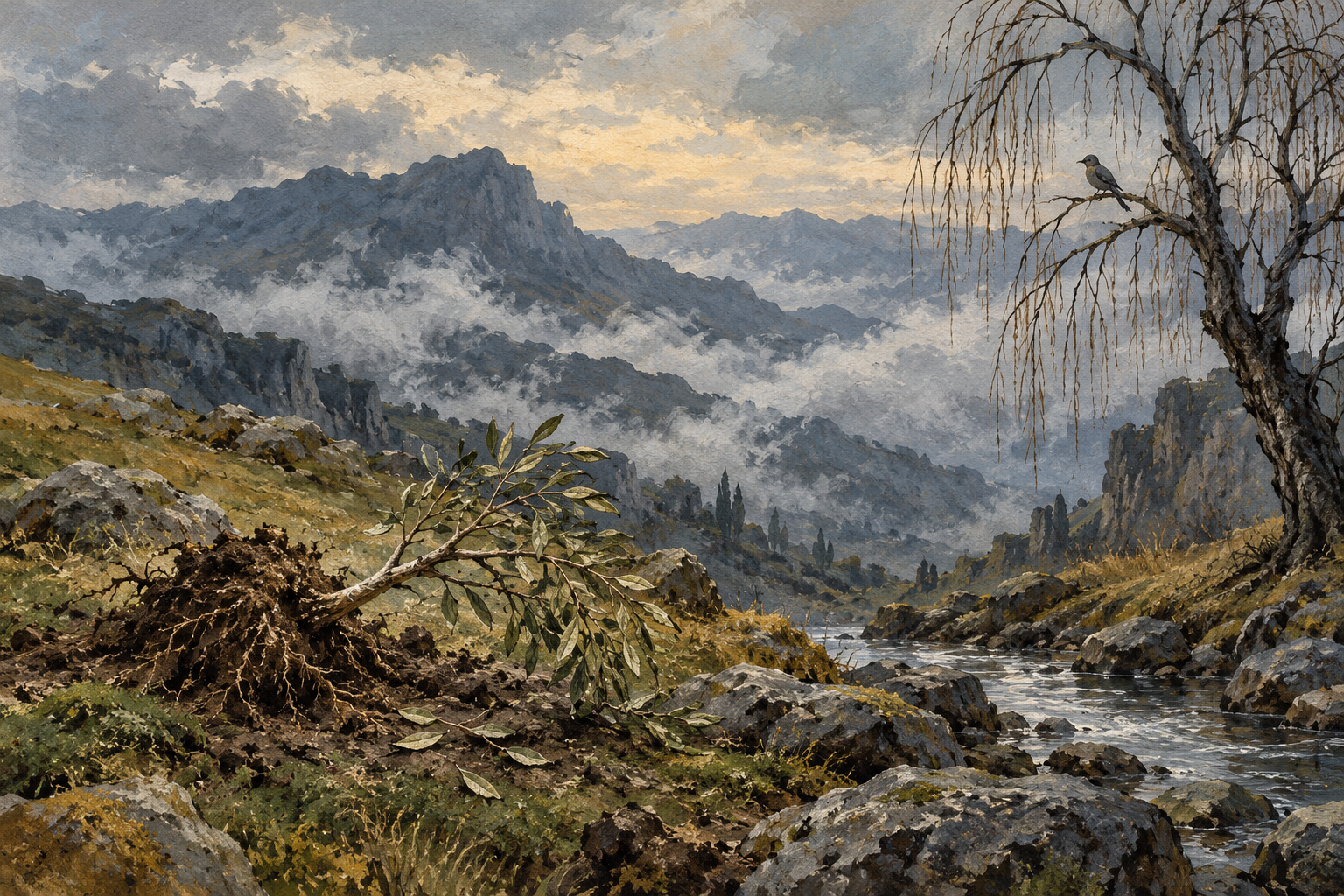
Baweyal mourns the poet’s son. Rashidi names him Ahmad Khan and discusses images of an uprooted young tree and the loss of sheltering shade. [2] Mustafa Dehqan’s 2009 study transcribes, translates and glosses the Feyli text. Its publicly available notes identify Mount Baweyal’s importance in Banwizeh folklore and record a version in which birds and trees participate in mourning. [1] Landscape becomes a way of giving a private loss a larger presence. The elegy can be read beside the Munajatnama to explore two different situations of address: the bereaved father and the petitioner seeking deliverance.
Language, versions and further reading
Dehqan’s notes discuss alternative readings and additions in published versions, and identify a Gorani grammatical form within the Feyli poem. [1] Wording can consequently vary between editions. A useful reading practice is to keep the editor, original text and translation together, rather than circulate unattributed lines. Dehqan’s article was published in Iranian Studies in 2009; the Cambridge platform’s 2022 online date is a later hosting date. [1] Rashidi’s open-access 2024 study provides a complementary, extended analysis of complaint across the divan, with poem extracts in their original language. [2]
Sources and further reading
- Mustafa Dehqan, Arkawāzī and His Baweyaļ: A Feylî Elegiac Verse from Piştiku, Iranian Studies 42/3, 2009, pp. 409–422, DOI 10.1080/00210860902907362; public abstract and notes.
- Hojjat Rashidi, Bath al-Shakwa in the Poetry of Gholam Reza Khan Arkavazi, Journal of Kurdish Literature 10/1, 2024, pp. 117–138, DOI 10.22034/jokl.2024.139847.1339; open-access research.