Sheikh Mand Pasha, often referred to as Sheikh Mend, is an iconic figure in Kurdish history, celebrated not just as a saint but also as a ruler and military leader during the 12th century. His life and legacy continue to hold immense significance within the Yazidi community and among Kurds today. This article examines the life of Sheikh Mand, his contributions to Kurdish society, and his lasting cultural impact, especially regarding his unique connection to snakes and his title as the "Emir of the Kurds."
Early Life and Background
Sheikh Mand was born into the Şemsanî lineage of sheikhs, a prominent family within the Yazidi community. His father, Şêx Fexredîn, was a respected leader, while his sister, Khatuna Fekhra, is honored as one of the most important female saints in Yazidi tradition. Growing up in a family that valued both spiritual and temporal leadership, Sheikh Mand's foundation was strong.
The Yazidi community has a rich history marked by resilience, yet they have faced numerous challenges. During Sheikh Mand's leadership, Kurdish people dealt with complex political alliances and territorial disputes. His role was crucial not only for governance but also for preserving Yazidi and Kurdish cultural identity. For instance, during his time, the Yazidis experienced increased persecution, yet Sheikh Mand worked to safeguard their traditions.
Military Leadership and the Ayyubid Army
Sheikh Mand demonstrated exceptional military skill when he led the Hakkariya regiment of the Ayyubid Army. Serving under Saladin, a key figure in the Crusades, Sheikh Mand earned recognition for his capabilities, eventually being titled "Emir of the Kurds." This title was not just symbolic; it represented solid military and political influence.
Holding authority over Qoseir Castle in western Aleppo, he managed a fiefdom that covered a significant Kurdish population. His leadership helped defend Kurdish territories during a volatile period. The Ayyubid era marked a crucial point when the Kurdish warriors fought against both Crusaders and internal strife, showcasing the importance of Sheikh Mand's role.
The Cultural Significance of Sheikh Mand
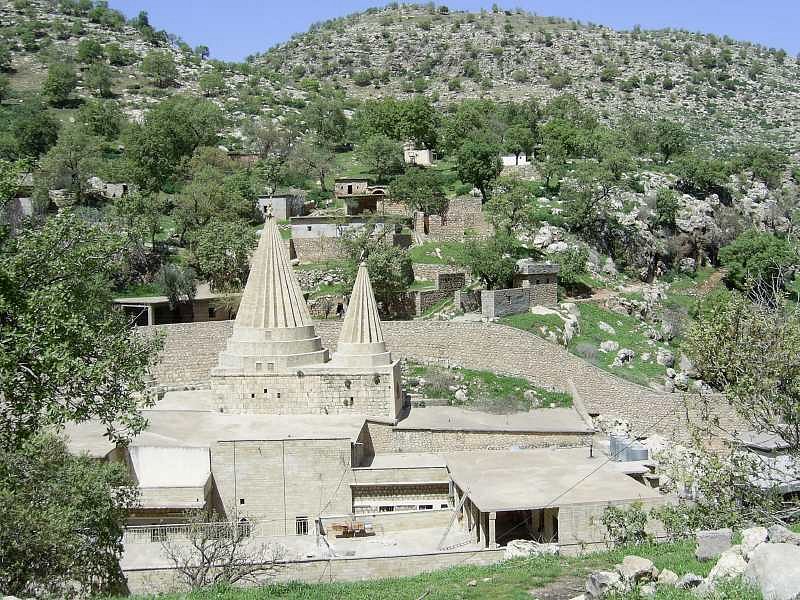
Sheikh Mand's impact goes beyond military might. He is revered as a saint within the Yazidi faith, with his shrine in Lalish serving as a pilgrimage site for many Yazidis. This site is much more than a place of worship; it symbolizes resilience and cultural identity for the Yazidi people.
A captivating element of Sheikh Mand's legacy is his association with snakes. He is often viewed as their protector, and his shrine supposedly features a cave filled with these creatures. In Yazidi culture, snakes symbolize protection and healing, reflecting a deep connection to nature and spirituality. For example, many Yazidis visit the shrine not just for blessings but to seek healing, believing that connection with snakes invokes protection.
The Shrine of Sheikh Mand
The shrine of Sheikh Mand in Lalish serves as a vital spiritual center for Yazidi pilgrims. Many visit seeking blessings and guidance, finding solace in the architecture that reflects Yazidi cultural heritage. The intricate designs and peaceful atmosphere encourage reflection and prayer.
Visitors frequently report feelings of tranquility and a deep connection to their ancestors when at the shrine, reinforcing its importance. It serves as a beacon of hope and a reminder of the enduring spirit of the Yazidi community amidst ongoing challenges and adversities.
Sheikh Mand's Sister: Khatuna Fekhra
Sheikh Mand's sister, Khatuna Fekhra, is also a significant figure in Yazidi history. Revered as a crucial female saint, she plays a vital role alongside her brother in shaping the Yazidi faith and community. Their relationship underlines the importance of familial connections in preserving cultural and spiritual legacies.
Khatuna Fekhra's legacy is particularly noteworthy regarding women's roles in Yazidi society. She exemplifies the respect and reverence afforded to women, standing as a counter-narrative to the often male-dominated discussions in many cultures. This acknowledgment marks a progressive stance in a region where women's contributions can be overlooked.
The Impact of Sheikh Mand on Kurdish Identity
Sheikh Mand's life and legacy have significantly influenced Kurdish identity. As a leader who faced considerable political and military challenges, he embodies the resilience of the Kurdish people. His title of "Emir of the Kurds" serves as more than a historical designation; it symbolizes unity and pride for Kurds today.
For the Yazidi community, Sheikh Mand represents inspiration and hope. His dedication to preserving cultural identity and spiritual beliefs resonates deeply, particularly in light of the challenges they have faced over generations. His life story reflects a broader narrative of cultural survival against external pressures.
Relevance of Sheikh Mand’s Legacy Today
Today, Sheikh Mand’s legacy continues to inspire both Yazidi and Kurdish communities. His story underscores the importance of cultural preservation and standing firm against challenges. As the Kurdish people work toward recognition and autonomy, figures like Sheikh Mand provide historical context, reinforcing their claims to identity and self-determination.
The pilgrimage to Sheikh Mand’s shrine remains a crucial aspect of Yazidi culture, drawing visitors from various regions. This ongoing reverence highlights Sheikh Mand's lasting legacy and the essential role of spiritual leadership in the Kurdish community.
Final Thoughts on Sheikh Mand's Influence
Sheikh Mand Pasha's life is a powerful reflection of Kurdish history and the spirit of the Yazidi people. As a military leader, a saint, and a cultural figure, his contributions have significantly shaped the identity of the Kurdish community. Sheikh Mand's legacy serves as a source of inspiration, emphasizing the importance of cultural heritage and the resilience of those determined to preserve it.
Reflecting on Sheikh Mand's life reminds us of the power of leadership, the significance of family ties, and the enduring nature of faith. His story is not merely a historical account; it is a living testament that continues to influence the Kurdish people's present and future.
References
"The Life and Legacy of Sheikh Mand Pasha." Kurdish Historical Society.
"Yazidi Saints and Their Significance." Journal of Middle Eastern Studies.
"The Role of Women in Yazidi Culture." Kurdish Women's Association.
"Sheikh Mand: A Historical Overview." Kurdish Heritage Foundation.
"Pilgrimage and Spirituality in Yazidi Tradition." International Journal of Religious Studies.
"The Ayyubid Dynasty and Its Impact on Kurdish History." Middle Eastern Historical Review.