A sourced chronology distinguishes the June 2025 attacks from the February–March 2026 escalation, with dated evidence on nuclear verification and civilian effects in Iran and the Kurdistan Region of Iraq.

Scope and dates
This historical timeline covers selected events and reports through 17 March 2026. It separates two episodes and distinguishes an event date from a document’s publication date. It is not a live account of conditions in November 2026. The references identify what each institution documented, and the limits of its evidence.
| Date or period | Documented event or report | Reference |
|---|---|---|
| 13–24 June 2025 | Attacks on nuclear facilities recorded by the IAEA | 1 |
| 2 July 2025 | Law suspending cooperation with the IAEA | 1 |
| 3 / 11 September 2025 | IAEA report dated / subsequently derestricted | 1 |
| 28 February 2026 | Opening-day UN assessment of strikes and regional escalation | 2 |
| 28 February–8 March 2026 | CPT monitoring window; report published 12 March | 3 |
| 28 February–17 March 2026 | OCHA coverage; update published 18 March | 4 |
June 2025: attacks and lost verification
The IAEA records attacks on Iranian nuclear facilities between 13 and 24 June 2025, initially by Israel and later with US participation. Inspectors were withdrawn by the end of June. A law suspending Iranian cooperation followed on 2 July. The September report describes missing accountancy information and restricted access since 13 June, with Bushehr Nuclear Power Plant as an exception. It also explains monitoring through commercial satellite imagery and open sources. [1] Interrupted inspection is an evidentiary limitation: this report does not justify the earlier article’s unsupported estimate that the programme had been delayed by only a few months.
28 February 2026: an opening-day diplomatic assessment
In his Security Council remarks, the UN Secretary-General condemned US–Israeli strikes on Iran and subsequent Iranian attacks on regional states, and called for an end to hostilities and renewed negotiations. [2] These remarks record the opening-day diplomatic response. They should not be expanded into a verified casualty register or a definitive military assessment. Reports that remained uncertain at that stage require their own later evidence. The previous timeline’s unsourced death reports and sweeping claims about control of the air have been removed.
The Kurdistan Region of Iraq: a defined reporting window
Community Peacemaker Teams reported 196 attacks attributed to the IRGC and affiliated groups in the Kurdistan Region between 28 February and 8 March. Its report, published on 12 March, counted four people killed and 19 injured. The combined figure is 23 casualties, not 23 deaths. [3] CPT described targets and affected locations including opposition-party headquarters, refugee camps, airport facilities, hotels and residential areas. These are attributed monitoring findings for a particular period, rather than an independently reconstructed count of every incident or a claim that every target was civilian.
Western Iran and humanitarian evidence
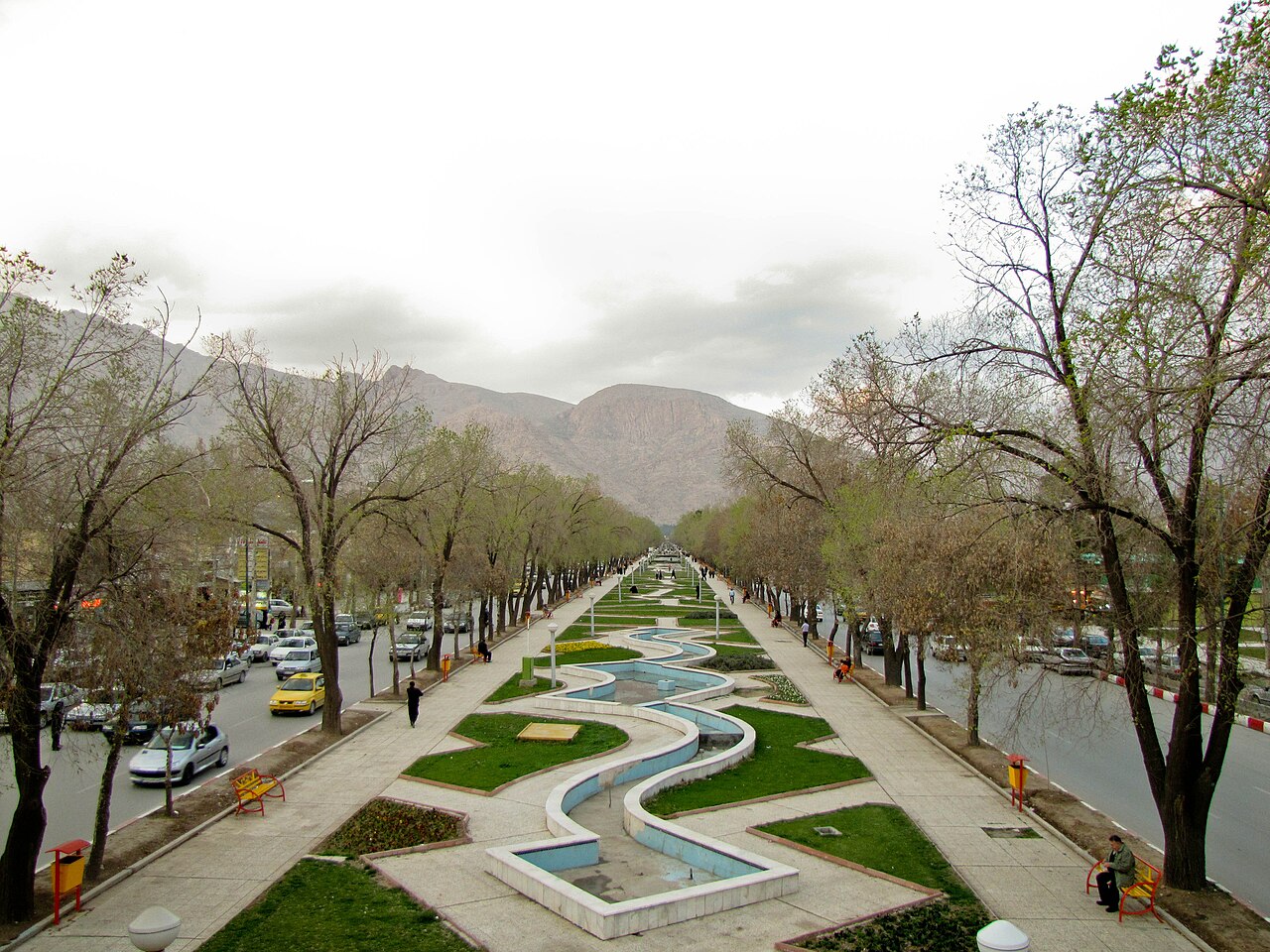
OCHA’s first humanitarian update covers 28 February–17 March and was published on 18 March. It describes damage to civilian infrastructure, disruption of services and displacement, with Kermanshah among affected provinces. [4] The photograph above predates these events by fourteen years. The update also relays Iranian Ministry of Cultural Heritage reporting on damaged heritage sites, including sites in western provinces. That attribution matters: it is not the same as an independent OCHA inspection of each location. Humanitarian reporting establishes civilian consequences without supporting an invented universal casualty total or proving the circumstances of every strike.
Sources and further reading
- IAEA, GOV/2025/50, 3 September 2025, derestricted 11 September; paragraphs 8–17, attacks and verification.
- UN Secretary-General, Security Council remarks, 28 February 2026; opening-day assessment.
- Community Peacemaker Teams, Escalating Attacks on the Kurdistan Region of Iraq, 12 March 2026; reporting window 28 February–8 March.
- OCHA, Iran Humanitarian Update No. 1, as of 17 March 2026, published 18 March.
- mehdi hosseini, Shirudi boulevard, Kermanshah, 5 April 2012; CC BY 3.0, Wikimedia Commons.