Çorti aşı turns preserved cabbage into a hot dish with meat and wheat. Muş registration records, Bitlis recipes and household interviews document both the shared ingredients and regional differences.
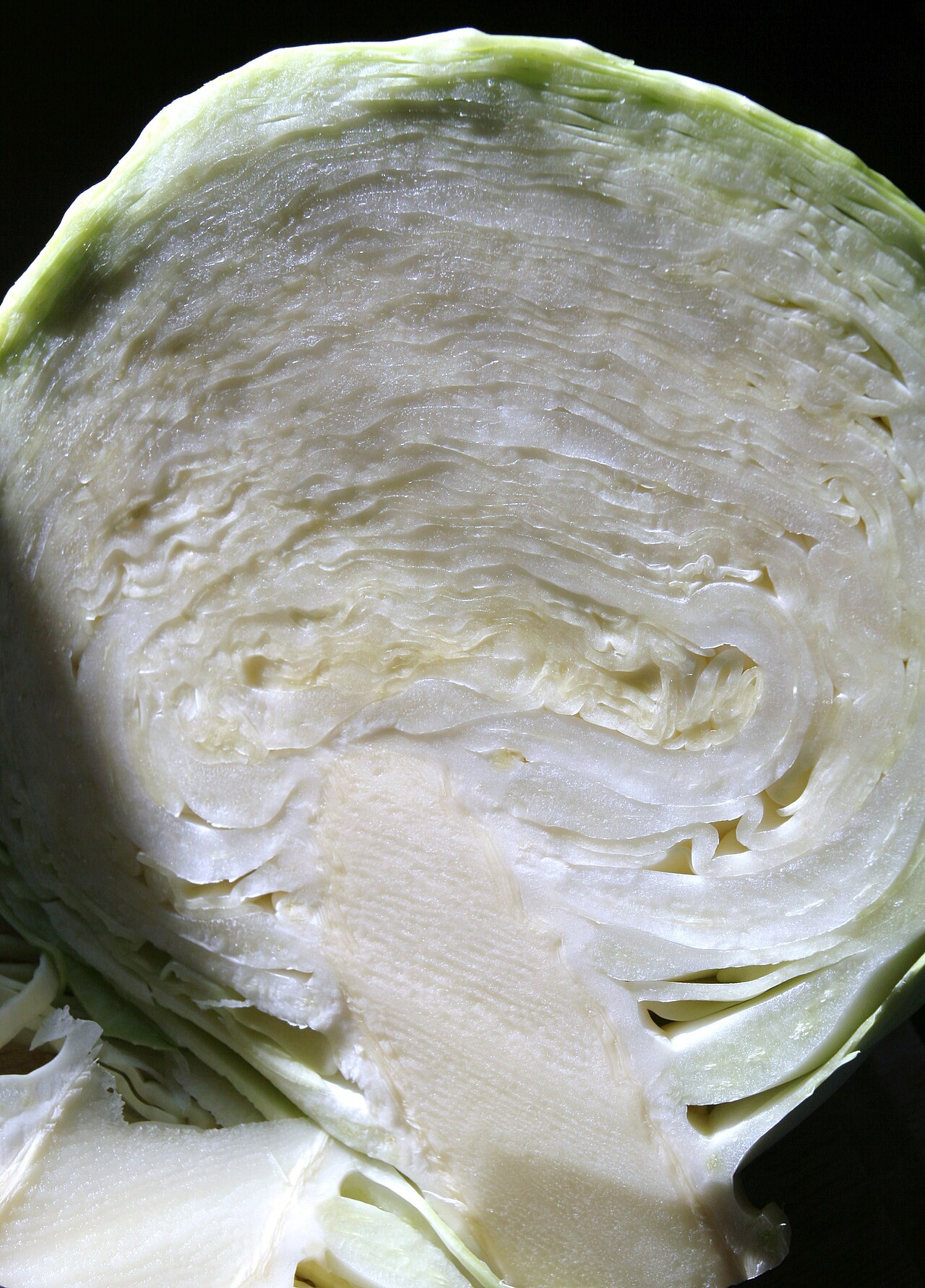

Çorti is cabbage pickle
The Muş Çorti Turşusu registration identifies the vegetable as white cabbage, locally called kelem. The leaves are chopped and packed with salt, basil, pepper, lemon and water. The document describes chickpeas or soured dough as additions associated with souring and distinguishes this preparation from pickles made with added vinegar. It also records two uses: served alongside meals or cooked with wheat and meat. The pickle received registration number 294 in December 2017. These particulars establish the ingredient and local preparation more securely than a broad comparison with unrelated preserved greens. Turnip leaves should not replace cabbage in an account of this registered Muş food. [1]
The registered Muş dish
The separate Muş Çorti Aşı record, number 409, specifies cabbage pickle, bone-in lamb shoulder, cracked wheat, butter and tomato paste. The meat is first browned in butter, tomato paste is briefly cooked with it, and pickle and wheat are then added with water. The dish simmers until the meat separates readily from the bone. This sequence builds the meal around the preserved vegetable: çorti is an ingredient made beforehand, while çorti aşı is the cooked dish. The 2019 registration concerns a defined regional preparation; it does not establish that every household must follow exactly the same proportions or that the dish began in the registration year. [2]
Bitlis versions and their differences
The Bitlis culture directorate likewise describes çorti as cabbage pickle made without vinegar. Its short cooking account combines it with fatty bone-in meat and döğme, or pounded wheat, and mentions garlic or pepper as flavourings. [3] A more detailed Bitlis recipe, credited to Cesim Çelebi’s Geçmişten Günümüze Bitlis Mutfağı, adds chickpeas, olive oil and sour pomegranate peel or pomegranate syrup. Chickpeas are soaked beforehand and the listed ingredients cook together; the peel is removed before serving. This version differs from the Muş specification’s butter-and-tomato-paste method. The comparison shows how a shared cabbage-and-grain dish can have identifiable local forms, rather than one universal ingredient list. [4]
Household work behind a winter meal
Aykut Şimşek and Seher Çelik Yeşil interviewed thirteen women in Bitlis city between 20 and 25 December 2021 for their study of winter preparations. Their participants described çorti alongside dried produce, preserved dairy and stored meat. One account explains chopping cabbage, placing chickpeas beneath it and attending to the brine while the contents settle. Another distinguishes salted cabbage leaves kept for later stuffed dishes from the pickle used in çorti aşı. These are accounts from particular households, rather than a controlled fermentation manual. They make the labour of washing, cutting, packing, storing and checking visible, and show why preserved cabbage cannot be understood only through the final bowl of food. [5]
Reading the seasonal tradition through local evidence
Çorti belongs within the food history of Muş and Bitlis in the Kurdish region, where preserved vegetables, grain and animal products are combined in winter cooking. Its history is best described through local vocabulary, documented recipes and the people who prepare it. The household study records differences in storage and preparation, including adaptation to newer containers and refrigeration. Preservation therefore remains a changing practice. Sourness, hospitality and preference can all be part of its use; the evidence does not require reducing every family’s choices to a single story of survival. [5]
Sources and further reading
- TÜRKPATENT, Muş Çorti Turşusu, registration 294 (25 December 2017): cabbage/kelem, ingredients, souring and food uses.
- TÜRKPATENT, Muş Çorti Aşı (Yemeği), registration 409 (2019): specified ingredients and cooking method.
- Bitlis Provincial Culture and Tourism Directorate, “Yemekleri,” entry 1: cabbage pickle, bone-in meat, pounded wheat and flavourings.
- Cesim Çelebi, Geçmişten Günümüze Bitlis Mutfağı, recipe reproduced by the Culture Portal: chickpeas and sour pomegranate in a Bitlis preparation.
- Aykut Şimşek and Seher Çelik Yeşil, “Examining Traditional Winter Preparations: The Case of Bitlis Cuisine,” Bitlis Eren University Social Science Journal 11(2) (2022), pp. 277–288: original December 2021 household interviews.
- Marc Lautenbacher, A halved head of white cabbage (23 December 2008), Wikimedia Commons, CC BY-SA 4.0.