The Evolution of Kurdish Education: A Journey Through Time
- Daniel Rasul

- Nov 15, 2025
- 6 min read

Overview
Kurdish education has evolved significantly, reflecting the resilience of the Kurdish people throughout history. From oral traditions to modern reforms, education has been shaped by cultural values, historical movements, and key figures advocating for knowledge and identity. Challenges such as funding disparities, political instability, and gender inequality persist, but recent reforms and advocacy efforts aim to create a more inclusive and culturally relevant educational system. The future of Kurdish education hinges on embracing innovation and technology to empower the next generation.
Contents
Education is the cornerstone of any society, shaping the future while carrying the weight of the past. In the context of kurdish history, the evolution of education is a testament to the resilience and dedication of the Kurdish people. Over the years, Kurdish education has transformed significantly, influenced by various historical movements, cultural heritage, and notable figures. This article will delve into the development of Kurdish education, exploring its roots, challenges, and progress through different eras.
1. The Roots of Kurdish Education
The foundation of kurdistan culture and heritage has always emphasized the value of knowledge. Historically, Kurdish education began with oral traditions. Stories, myths, and histories were passed down generation to generation. These narratives often included lessons about morality, family, and the significance of community, reflecting the intricate threads of kurdish history. As the need for formal education arose, community elders and religious figures took the helm of teaching, laying the groundwork for future educational models.
2. The Influence of Religion and Early Schools
In the late 19th century, the establishment of modern education systems in the Middle East began to influence Kurdish regions. Religious schools (madrassas) were among the first formal education institutions in Kurdistan. These schools were primarily dedicated to religious instruction, but they also introduced students to basic literacy in Kurdish and Arabic, thus seeding the growth of a more structured approach to education.
Key Historical Figures in Early Education
Sherif Pasha: A pivotal figure who advocated for educational reforms among the Kurdish people.
Jamal Pasha: Influenced the modernization of education in the Kurdish regions during the Ottoman Empire.
These kurdish historical figures were crucial in promoting the importance of education and initiating the dialogue around the need for a national identity expressed through schooling and literature.
3. Kurdish Education During the 20th Century
The 20th century marked a turning point in the evolution of Kurdish education. The aftermath of World War I and the subsequent treaties that disregarded Kurdish autonomy led to significant changes in how education was approached. The Kurds found themselves grappling with new national borders that often hindered access to educational resources.
The Rise of Nationalist Movements
During this period, kurdish historical movements and diplomacy played a vital role in shaping educational approaches among the Kurdish populace. Activists began to create networks of schools focusing on the Kurdish language, history, and culture. Despite governmental restrictions, these schools aimed to preserve Kurdish culture and instill a sense of identity, fostering a spirit of nationalism among the youth.
Peshmerga Schools: Established during the struggle for autonomy, educating children about their rights and heritage.
Secret Schools: In many cases where the Kurdish language was prohibited, underground schools emerged to teach the youth about their culture.
4. The Impact of the Ba'ath Regime
The Ba'athist rule in Iraq, known for its oppression of Kurdish identity, had a detrimental effect on Kurdish education. The regime implemented policies aimed at Arabization, forcibly shutting down Kurdish educational institutions and limiting the use of the Kurdish language in schools. This repression led to a drastic decline in educational resources.
Resistance Through Education
Despite these challenges, many kurdish public figures rose in protest against such measures. They championed the cause of education and worked tirelessly to re-establish schools that taught in Kurdish and celebrated Kurdish history. Efforts included:
Forming cultural clubs and organizations to promote the Kurdish language.
Publishing literature and educational material in Kurdish.
The spirit of defiance embodied by these figures illustrates the profound connection between education and cultural survival in the Kurdish community.
5. The Post-Saddam Era and Educational Reform
The fall of the Ba'ath regime in 2003 heralded a new era for Kurdish education. The restoration of the Kurdistan Regional Government (KRG) provided an opportunity to revitalize the educational system. The new leadership made significant investments in education, aiming to create a curriculum reflective of Kurdish history, culture, and language.
Modern Educational Reforms
With the support of international organizations and the Kurdish diaspora, a number of reforms have been implemented:
Establishment of a Kurdish Ministry of Education focused on developing a comprehensive education policy.
Introduction of the Kurdish language as the medium of instruction in schools.
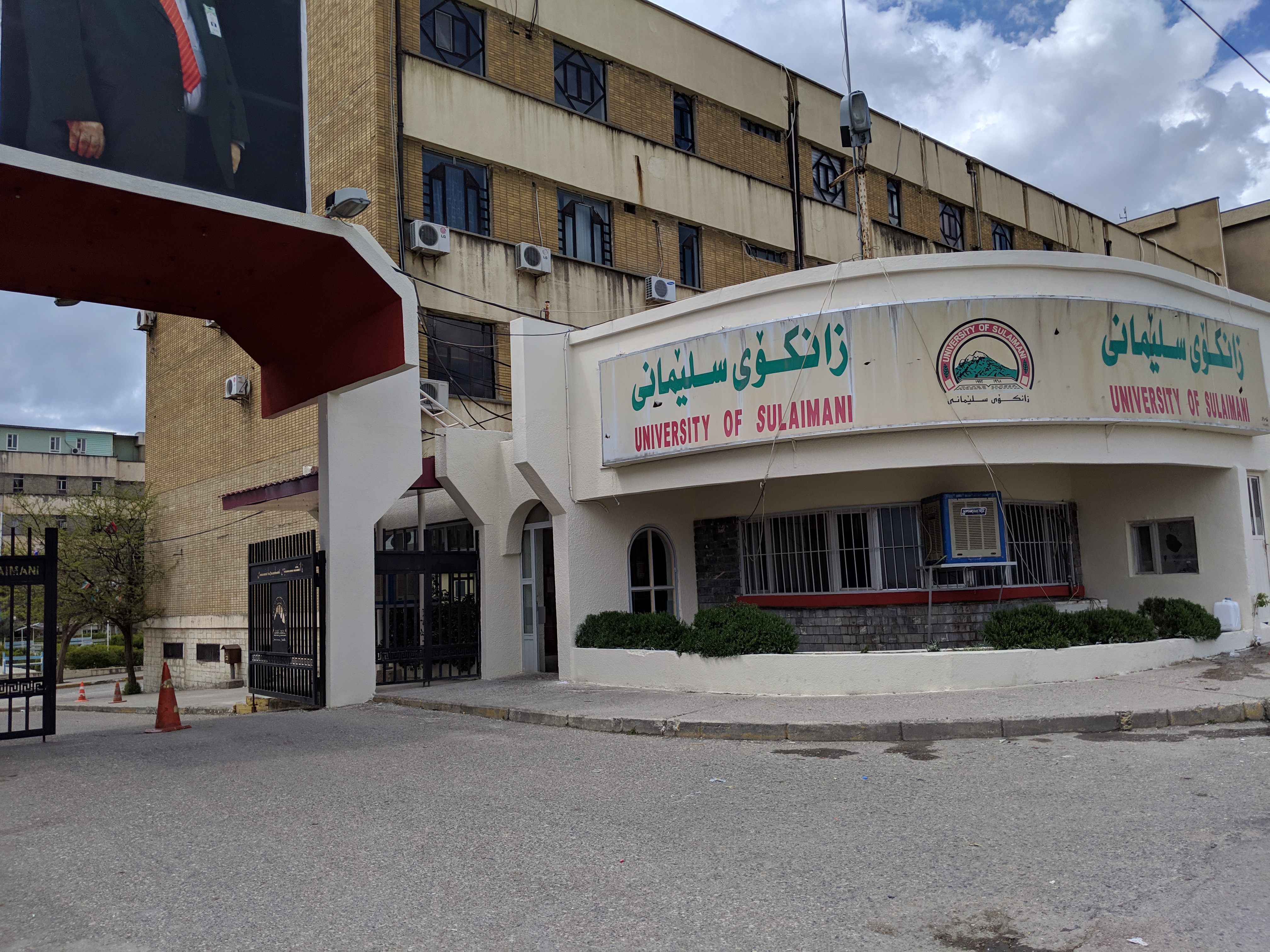
Creation of universities that focus on Kurdish culture, history, and politics.
These reforms not only addressed educational accessibility but also emphasized the importance of educating future generations about their heritage and identity.
6. Contemporary Challenges in Kurdish Education
Despite these advancements, several challenges remain evident in the current educational landscape:
A. Funding and Resources
Investment in education remains uneven, particularly in rural areas. Schools often lack basic resources, instructors, and infrastructure, leading to disparities in quality education.
B. Political Instability
The ongoing political tensions within the region continue to pose threats to educational development. Wars and conflicts have disrupted educational systems, creating barriers to student enrollment and retention.
C. Gender Disparity
Access to education for girls remains a critical issue in many parts of Kurdistan. Cultural and societal obstacles often hinder girls' educational opportunities, perpetuating cycles of inequality.
7. The Role of Kurdish Public Figures in Promoting Education
In recent years, many kurdish public figures have emerged as advocates for educational reforms, emphasizing the importance of empowering the youth through knowledge. They have emphasized education as a tool for liberation and cultural preservation. Their efforts include:
Establishing scholarships and educational programs for underprivileged youth.
Launching campaigns to raise awareness about the importance of female education.
Collaborating with international NGOs to improve educational standards.
This collective action underscores how education is intertwined with the overarching narrative of Kurdish resilience and identity.
8. The Future of Kurdish Education
Looking ahead, the Kurdistan region stands at a crucial juncture. The evolution of education will play a fundamental role in shaping the future of the Kurdish people. Embracing technology as a learning tool, integrating international curricula, and fostering global collaborations are essential steps for advancing Kurdish education. Furthermore, efforts to create a more inclusive educational system that benefits all demographics are vital for cultivating a prosperous future.
Embracing Educational Innovation
To secure a bright future for the next generations, Kurdish education must harness innovation:
Integrating digital literacy and technology into classrooms.
Encouraging scientific research and critical thinking among students.
Promoting environmental education that aligns with global trends.
The Kurdistan region is rich in culture and history, and education is the key to unlocking its potential.
A Bright Tomorrow Awaits
The evolution of Kurdish education reflects the enduring spirit of the Kurdish people. From humble beginnings rooted in oral traditions to contemporary efforts championed by kurdish historical figures and reform-minded leaders, education has remained a beacon of hope and empowerment. While challenges persist, the collective resolve to promote education amid adversity offers a glimpse of a promising future. As Kurdistan embraces its cultural heritage and invests in educational initiatives, it sets a pathway towards a brighter tomorrow for generations to come.
FAQs
What is the historical significance of education in Kurdish culture?
Education has always been a cornerstone of Kurdish culture, emphasizing the value of knowledge through oral traditions that include stories and lessons about morality and community.
How did religious schools contribute to the development of Kurdish education?
In the late 19th century, religious schools (madrassas) in Kurdistan introduced formal education, teaching literacy in Kurdish and Arabic while focusing on religious instruction.
What were some key developments in Kurdish education during the 20th century?
The 20th century saw the rise of nationalist movements that established schools focused on Kurdish language and culture, despite challenges posed by political changes and restrictions.
How did the Ba'ath regime affect Kurdish education?
The Ba'athist regime implemented oppressive policies that shut down Kurdish schools and limited the use of the Kurdish language, causing a decline in educational resources.
What are the contemporary challenges facing Kurdish education today?
Current challenges in Kurdish education include uneven funding, political instability, and gender disparities that hinder access to education for girls.


Comments