Erbil and the surrounding Kurdish regions have rich traditions of grain cultivation and communal cooking. Local reporting helps distinguish documented dishes and methods from unsupported claims attached to the name chichma.

A name that needs more documentation
The name chichma has appeared in online lists of Kurdish foods associated with Erbil. This page previously expanded that brief identification into a detailed lamb-and-cracked-wheat recipe and claims of ancient local continuity. Our review has not located a named cook, original recipe or field study that supports those specific additions. We therefore cannot responsibly present a particular quantity, seasoning, cooking time or exclusive Erbil origin as an established tradition under this name. That limit concerns the documentation available to this article; it does not establish that a dish or a family’s use of the name does not exist. The following accounts identify foods through actual places, preparation and participants.
Qarexerman in the Koya countryside
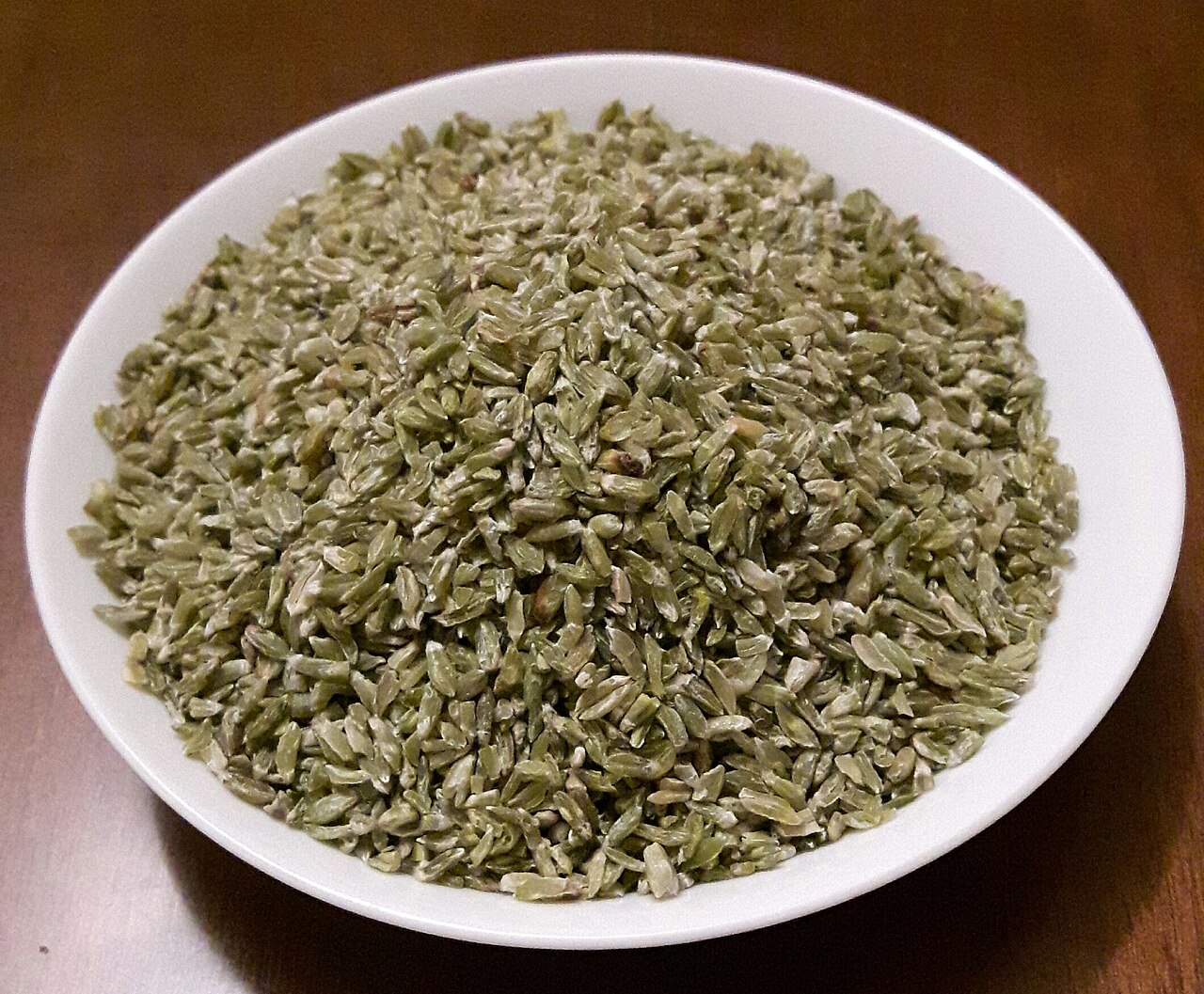
Bilind T. Abdullah’s May 2026 reporting from Koya district, in Erbil province, describes freekeh, known locally as Qarexerman. Farmers harvest durum wheat while still green, dry it briefly and roast it over fire before separating the chaff. Kawsar Mamand of Shawger describes the demanding work involved. The grain’s smoky character therefore comes from processing before the final meal is cooked. The report records its use in pilaf and soup, including celebratory meals with lamb or ribs. This is useful evidence for a particular wheat tradition around Erbil. It does not identify Qarexerman as a synonym for chichma, or establish that every wheat dish uses the same grain preparation. [1]
Cooking and sharing in Erbil itself
A 964 Media report by Abdulaziz Khaland on 13 August 2025 interviewed Karzan Samad while he and relatives prepared large pots of hareesa outside his Erbil home for neighbours, friends and family. He said preparations had begun the previous night and recalled the custom among Erbil residents, especially Turkmen. Describing himself as Sunni, he rejected restricting the practice to one sect. His account documents hospitality, household labour and an urban memory shared across communities. It does not supply an independently verified chichma recipe, and the two names should not be silently substituted for each other. [2]
A different wheat dish in Hawraman
Rudaw’s January 2025 reporting from Goshkhan in Iranian Kurdistan records communal preparation of kashkak with meat, wheat and dried yogurt. Resident Jamal Faraji described neighbours contributing ingredients and dividing tasks such as tending the fire, preparing grain and heating water. Cooking continued overnight, with religious verse and prayers accompanying the gathering. People who had left the village returned to take part, and visitors could take food home. Naming this village and its participants makes the social practice visible while preserving its distinction from the Erbil accounts. [3]
Similar ingredients do not establish identical dishes
UNESCO’s 2023 inscription of harees concerns practices nominated by the United Arab Emirates, Oman and Saudi Arabia. Its description identifies wheat, meat and ghee, large shared servings and skills passed between generations. It is a valuable comparison for communal grain cookery, not evidence that UNESCO has registered an Erbil dish called chichma. A useful local recipe record would identify the cook, locality, name in the speaker’s language, grain preparation and final texture. Those details would allow future documentation of chichma without borrowing a neighbouring dish’s history or turning the antiquity of wheat into an unsupported age for a recipe. [4]
Sources and further reading
- Bilind T. Abdullah, “Kurdish farmers report record ‘Freekeh’ harvest following abundant rainfall,” Rudaw (23 May 2026): Koya field reporting and Kawsar Mamand interview.
- Abdulaziz Khaland, “لە هەولێر خواردنی هەریسە دابەش دەكرێت,” 964 Media (13 August 2025): Karzan Samad interview in Erbil.
- Rudaw, “Cooking traditional food in Hawraman” (25 January 2025): Goshkhan residents on kashkak and communal preparation.
- UNESCO, “Harees dish: know-how, skills and practices,” Representative List inscription (2023), United Arab Emirates, Oman and Saudi Arabia.
- Wribln, Freekeh (uncooked), 20 October 2019, Wikimedia Commons, CC BY-SA 4.0.