top of page

Parêv Tobûlî: The Kurdish Celebration Dish of Lamb Over Savar Wheat


Parêv Tobûlî: The Kurdish Celebration Dish of Lamb Over Savar Wheat


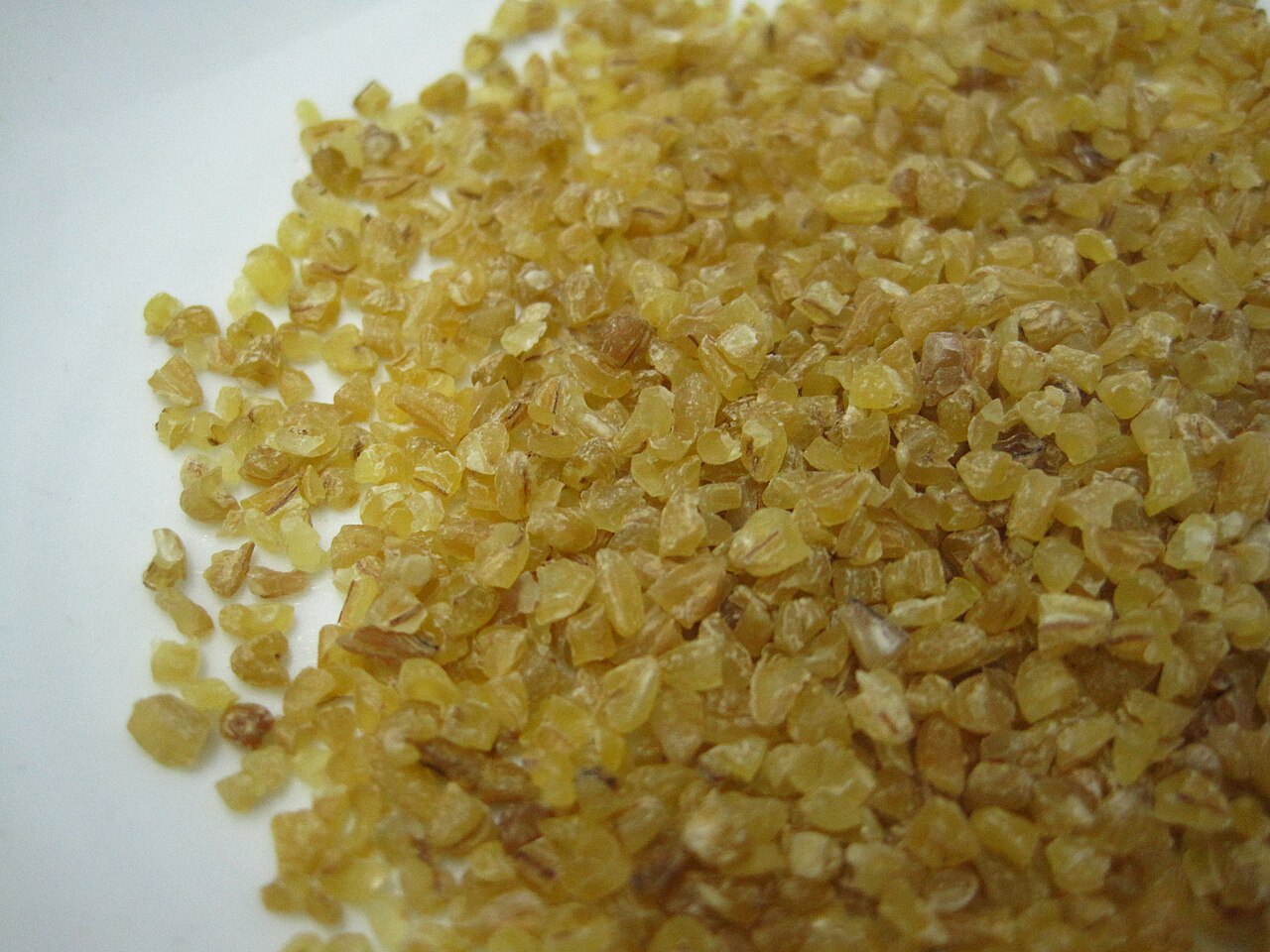
Parêv tobûlî is an ancestral Kurdish celebration dish — slow-cooked lamb served over a bed of savar (cracked, sun-dried, mortar-pounded wheat), the same processed grain documented in the sixth article of this series. It is listed as one of the defining staples of Kurdish cuisine by Wikipedia, Alchetron, Justapedia, and every encyclopaedic source on Kurdish food — alongside biryanî, berbesel, dokliw, kelane, and kutilk. It represents the elevation of a peasant grain into a ceremonial centrepiece: savar, the mountain survival wheat, becomes the foundation for a feast. Parêv tobûlî is the dish that bridges the two poles of Kurdish food culture documented across this series: mountain survival and urban celebration. The grain is survival. The lamb on top is celebration. Together, they are Kurdish history on a plate.


Key Takeaways


• Slow-cooked lamb served over savar — cracked, sun-dried, mortar-pounded Kurdish wheat


• Listed as a defining staple of Kurdish cuisine by every encyclopaedic source on Kurdish food


• An ancestral high-status dish — the festive elevation of everyday savar into a ceremonial centrepiece


• Bridges the two poles of Kurdish food: mountain survival grain and celebration lamb


Quick Facts


Kurdish Name: Parêv Tobûlî (پارێڤ تۆبولی)

Type: Ancestral celebration dish — lamb over processed savar wheat

Key Grain: Savar — wheat boiled, sun-dried, pounded in a mortar (curn), and crushed in a mill (destarr)

Status: High-status, ceremonial — served for guests, gatherings, and celebrations


Origins: Where Peasant Grain Becomes Feast


Savar is the grain that built Kurdish mountain life. As documented in the sixth article of this series, it is wheat that has been boiled, sun-dried, pounded in a stone mortar called a curn to remove the husk, and crushed in a hand-mill called a destarr. The resulting grain can be stored for months and cooked quickly. It was the staple carbohydrate of Kurdish farmers and mountain pastoralists for centuries — the grain of everyday survival. Parêv tobûlî takes this survival grain and makes it the base of a celebration. Slow-cooked lamb — tender, richly spiced, falling apart — is served on a bed of cooked savar. The grain absorbs the meat juices and the spiced broth, transforming from a plain staple into something luxurious. This is the Kurdish equivalent of serving meat over rice (biryanî), but older and more deeply rooted in the mountain tradition.


Traditional Preparation


Savar is rinsed and soaked briefly, then boiled in salted water or lamb stock until tender but still chewy — it retains a nutty, wheaty bite that rice does not have. Separately, lamb on the bone is browned with onions and spiced with turmeric, allspice, salt, and pepper. Water or stock is added and the lamb simmers on low heat for an hour or more until the meat is falling from the bone and the broth is rich and concentrated. The cooked savar is spread on a large communal platter. The lamb pieces are arranged on top. The broth is ladled over everything, soaking into the savar. Some versions add toasted almonds or pine nuts for garnish. The dish is served communally — everyone eating from the same platter with bread and jajeek on the side. The savar at the bottom, soaked with lamb broth, is the best part.


The Grain of Survival, The Dish of Celebration


This series has documented the distinction between Kurdish survival food and Kurdish celebration food. Torak, nanê tîrî, qelî, rihik, and terxena are survival. Biryanî, kulicha, şilkena, and halva are celebration. Parêv tobûlî is both at once. The savar is survival — the grain of Kurdish farmers, processed by hand in a stone mortar, stored for winter. The lamb on top is celebration — the meat of a gathering, slow-cooked and shared. Parêv tobûlî is the dish that reminds Kurdish families where they came from: the mountains, the wheat, the mortar, the mill. And where they are now: at a table, together, with lamb.


Frequently Asked Questions


What is parêv tobûlî?


Parêv tobûlî is a Kurdish celebration dish of slow-cooked lamb served over savar — cracked, sun-dried, mortar-pounded wheat that is the ancestral staple grain of Kurdish mountain communities. It is listed as one of the defining dishes of Kurdish cuisine by Wikipedia and every encyclopaedic source.

What is savar?


Savar is the traditional Kurdish processed wheat. Whole wheat grain is boiled, sun-dried, pounded in a stone mortar (curn) to remove the husk, then crushed in a hand-mill (destarr). The resulting grain stores for months and cooks quickly. It was the staple carbohydrate of Kurdish farmers and mountain pastoralists and predates the use of rice in Kurdish cooking.

How does parêv tobûlî differ from biryanî?


Both are Kurdish celebration dishes that serve meat over grain. Biryanî uses basmati rice — historically a status ingredient in Kurdish cities — with a complex spice blend, saffron, and dried fruits. Parêv tobûlî uses savar wheat — a mountain grain older than any rice tradition in the region. Biryanî represents urban Kurdish celebration. Parêv tobûlî represents ancestral Kurdish celebration. Both are served communally from a shared platter.


Conclusion


Parêv tobûlî is the fifty-fifth article in this series, and it closes a circle that began with article six. Savar — the Kurdish grain that built a mountain civilisation — reappears here not as a survival staple but as the foundation of a feast. The grain that Kurdish farmers pounded in stone mortars and stored in winter rooms is the same grain that parêv tobûlî places under slow-cooked lamb for guests and celebrations. This is the arc of Kurdish food culture in a single dish: what kept you alive in winter becomes what you serve with pride in summer. Fifty-five articles in, the series has documented both ends of this arc — and parêv tobûlî is where they meet.


References and Further Reading


Recent Posts

See All

Comments


bottom of page