Kirkuk’s Kurdish history is inseparable from its mixed communities, the citadel, the oil industry and the displacement and constitutional disputes of modern Iraq.

A city and a governorate
Kirkuk, Kerkûk in Kurdish, is a city of northern Iraq and the administrative centre of the governorate bearing its name. Its Kurdish, Turkmen, Arab and Christian communities appear throughout the modern history of displacement, return and political representation. [3] The city’s population and the governorate’s population cover different areas. Likewise, a count of residents, a record of people expelled, and an ethnic breakdown answer different questions. Kirkuk’s place in Kurdish history can be examined through these distinctions while recognizing the lives and claims of its other communities.
The citadel and its urban heritage
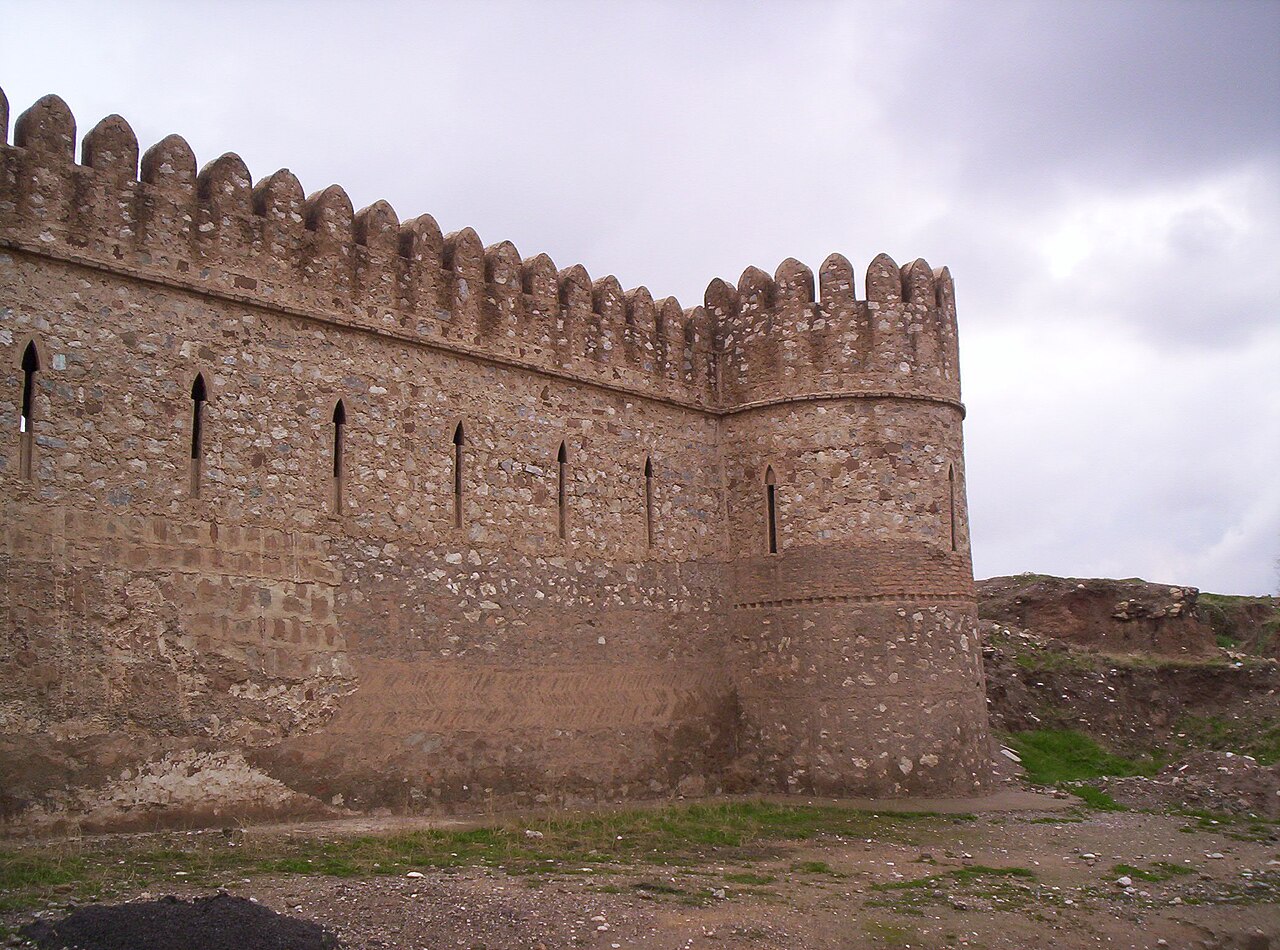
The citadel occupies a raised settlement above the Khasa River. Iraq’s 2021 submission to UNESCO describes residential quarters, gateways, mosques and the Qaysariyah market as parts of its urban heritage. It identifies Al-Midan, Aghaliq and Hammam as principal quarters and describes Bab al-Toub as a surviving gateway. [1] The submission offers competing accounts of ancient origins. Precise ancient foundation dates therefore need archaeological support beyond repeating a tradition. Kirkuk Citadel entered Iraq’s Tentative List on 6 April 2021; this is a proposed heritage listing, distinct from inscription on the World Heritage List. [1]
Oil and the twentieth-century city
The 1927 oil discovery at Baba Gurgur changed Kirkuk’s economic history. New York University Abu Dhabi’s Akkasah archive holds an album of eighty photographs dated 1927–28, including the first gusher and early drilling operations. Its catalogue places those images in the history of the Turkish Petroleum Company, renamed Iraq Petroleum Company in 1929. [2] This visual record gives readers a concrete route into the period when oil infrastructure transformed the surrounding landscape. The industry’s continuing importance is visible in ConocoPhillips’ July 2026 announcement of terms to acquire a stake in bp’s Kirkuk redevelopment venture, subject to approvals and a planned later closing. The announcement covers producing fields and rehabilitation plans, rather than completed new production. [7]
Arabization, expulsion and the difficulty of return
Human Rights Watch’s field research documents forced expulsion of Kurds, Turkmen and Assyrians, pressure to register as Arab, confiscated property and incentives for Arab settlement. Its 2004 report also records the practical problems facing returnees after 2003: destroyed homes, weak documentation, unemployment and inability to afford relocation. [3] These testimonies explain why restitution is about households and livelihoods as well as territorial status. The same report documents abuses against Arab residents during the fall of Kirkuk. A history centred on Kurdish displacement can also acknowledge the rights and safety of other civilians. [3]
Article 140 and the events of 2017
Article 140 of Iraq’s 2005 constitution prescribed normalization, a census and a referendum in Kirkuk and other disputed territories, with a deadline of 31 December 2007. [4] The process remained unresolved. The September 2017 independence referendum was a separate event: the UN’s November 2017 briefing describes its rejection by Baghdad and the Federal Supreme Court, followed by federal operations in Kirkuk on 16 October, Peshmerga withdrawal and some clashes. The UN reported civilian casualties, mainly among Kurds, and called for investigations and safe return. [5]
Reading recent claims carefully
The 2024 general census excluded an ethnicity question. In Rudaw’s direct interview, statistical adviser Mahdi al-Alaq explained the planning purpose of that decision. Its population totals cannot by themselves establish a Kurdish, Turkmen or Arab share. [6] Article 140 continued to feature in political argument in 2026: KirkukNow reported, from a copy it obtained, that the proposed ministerial programme submitted that May omitted it, and recorded Fahmi Burhan’s objection. [8] That report concerns a proposed programme at a particular date. Distinguishing constitutional text, policy proposals, documented events and political claims makes Kirkuk’s changing history easier to follow.
Sources and further reading
- Permanent Delegation of Iraq to UNESCO, Kirkuk Citadel, Tentative List submission, 6 April 2021, reference 6522; description and listing status.
- NYU Abu Dhabi, Akkasah Photography Archive, Baba Gurgur – Oil Drilling in Iraq, AD.MC.048, 1927–28; collection guide and historical note.
- Human Rights Watch, Claims in Conflict: Reversing Ethnic Cleansing in Northern Iraq, August 2004, section VI, Reversing Arabization of Kirkuk; field interviews and property-return analysis.
- Iraqi Constitution, 2005, Article 140, English text hosted by Iraq’s National Investment Commission.
- Ján Kubiš, briefing to the UN Security Council, 22 November 2017, as delivered; federal operations, civilian protection and constitutional dispute.
- Julian Bechocha, Iraq to exclude ethnicity data from census: Official, Rudaw, 27 April 2024; direct interview with Mahdi al-Alaq.
- ConocoPhillips, agreement supporting redevelopment of producing oil fields in Iraq, 17 July 2026; company announcement, conditions and expected closing.
- KirkukNow, PM-Designate Ministerial Program “Overlooks” Article 140, 11 May 2026; reporting based on a copy of the proposed programme and Fahmi Burhan’s response.