Silvan, known in Kurdish as Farqîn and in medieval sources as Mayyafariqin, preserves several layers of history: a late antique Christian city, a Marwanid capital and a centre of Artuqid building and historical writing.

Names and the late antique city
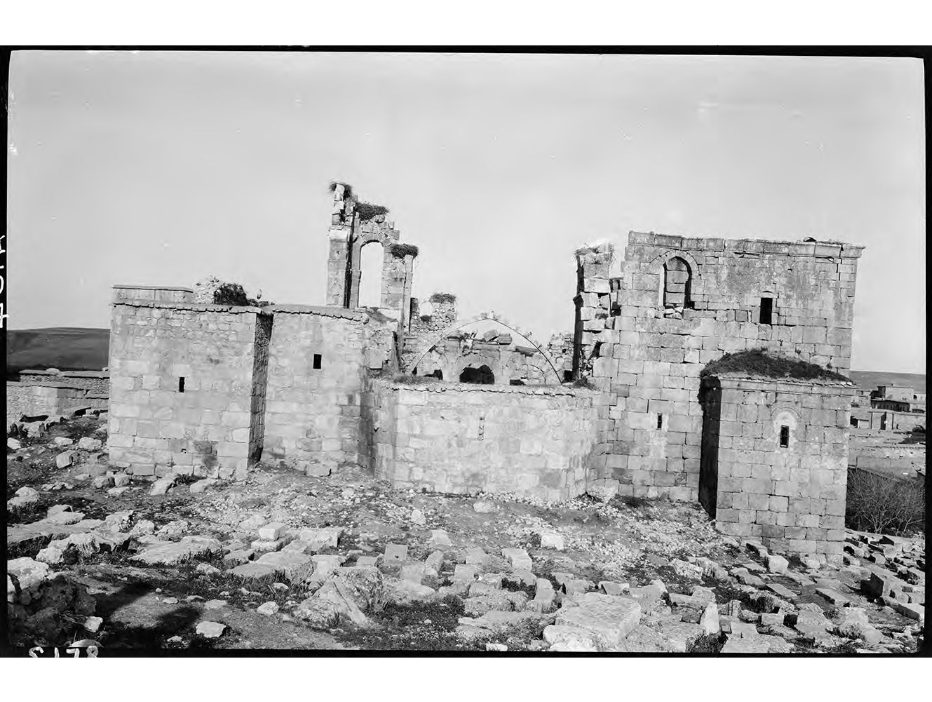
Silvan lies east of Diyarbakır, where routes approach the Taurus foothills. Its historical names include Mayyafariqin and Martyropolis. The identification of ancient Tigranocerta with the town remains disputed. [1] The Syriac scholar Sebastian Brock describes Marutha of Maypherqat as a bishop, physician and Roman envoy to Persia. He helped organise the church council of 410 with Ishaq of Seleucia-Ctesiphon. The association of Martyropolis with Persian Christian martyrs belongs to the tradition that Marutha brought their relics home. These connections place the city within the religious and diplomatic networks linking the Roman and Sasanian worlds. [2]

The Marwanid capital
After the Kurdish ruler Badh’s rise, his nephew Abu Ali Hasan ibn Marwan established himself here in 990. Mayyafariqin became the principal seat of the Marwanid dynasty for nearly a century. In 1046, Nasir-i Khusraw described its black-and-white walls, iron gate, mosque and channels carrying water past houses. His account also mentions baths and caravanserais outside the walls. Such details help reconstruct a working city of water supply, worship and travel. The Marwanid capital surrendered to the forces of the Seljuk ruler Malik Shah in 1085. [1]
Ibn al-Azraq and the city’s written memory
Born in Mayyafariqin in 1117, Ibn al-Azraq al-Fariqi wrote the Tārīkh Mayyāfāriqīn wa-Āmid, a history of his city and neighbouring Amid, today’s Diyarbakır. His work drew on earlier written histories, including a Syriac account translated for him by a Christian. For the Artuqid period, his own service, journeys, conversations and contemporary documents supplied additional material. Reading his chronicle therefore means attending to the different kinds of evidence within it: inherited narratives alongside the observations of a locally connected administrator and traveller. [3]
Reading the Great Mosque
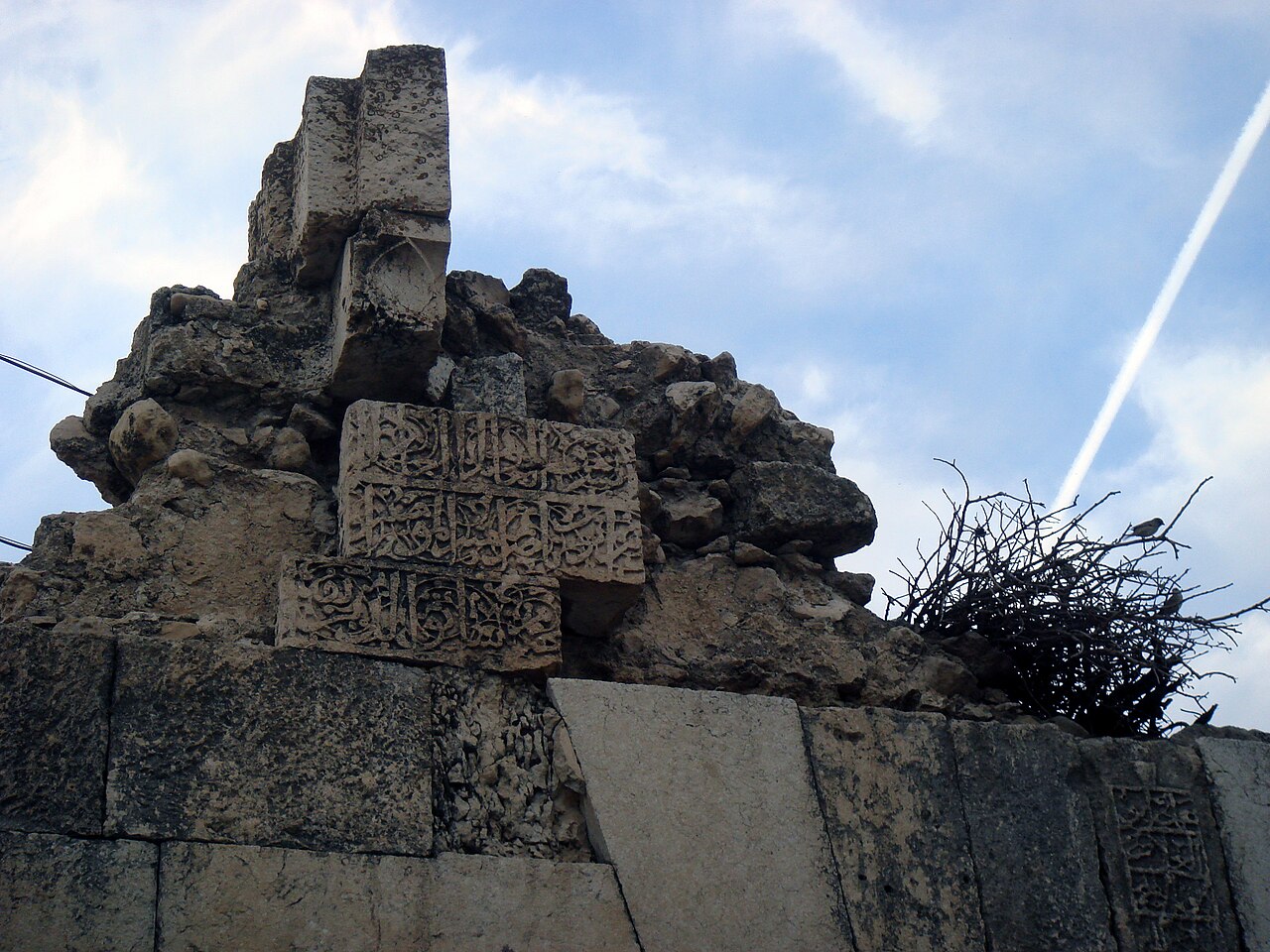
The Great Mosque’s inscriptions distinguish several stages of building. An earlier mosque is recorded in 1031; an inscription on the dome drum names the Artuqid ruler Najm al-Din Alpi and dates the major campaign to 1152–1157. A 1227 inscription records Ayyubid repair. Four aisles parallel the prayer wall, with a dome approximately 13.5 metres across. Later restoration also shaped what visitors see: work in 1911–1913 altered openings and relocated architectural elements, followed by further interventions in 1964. Its present appearance carries the evidence of these successive changes. [4]
Malabadi and the wider landscape
About 22 kilometres east, the Malabadi Bridge crosses the Batman River. Columbia University’s Mapping Mesopotamian Monuments project dates its construction to 1147/48–1153/54 under the Artuqid ruler Husam al-Din Timurtash and documents the monument through field photography. Connecting the bridge with Silvan helps place the city’s buildings within the roads, river crossings and competing centres of medieval Upper Mesopotamia. [5]
Documenting the violence of 2015
Silvan’s recent history also requires attention. Human Rights Watch’s December 2015 report records interviews with sixteen residents about the November curfews, fatal shootings and restrictions affecting daily life. Witnesses described people leaving their homes and interruptions to water and electricity. Its account of Mehmet Gündüz’s killing in a café combines witness testimony with observed bullet holes and security footage; the organisation called for effective investigations into civilian deaths. The report supplies a dated account of particular incidents and the evidence available to its researchers. [6]
Sources and further reading
- Ahmet Savran, Meyyâfârikīn, TDV İslâm Ansiklopedisi 29, 2004, pp. 511–512.
- Sebastian P. Brock, Marutha of Maypherqat, Gorgias Encyclopedic Dictionary of the Syriac Heritage.
- Ahmet Savran, İbnü’l-Ezrak el-Fârikī, TDV İslâm Ansiklopedisi 21, 2000, pp. 34–35.
- Ayşe Denknalbant, Silvan Ulucamii, TDV İslâm Ansiklopedisi, 2012.
- Matt Peebles, Malabadi Bridge, Mapping Mesopotamian Monuments, Columbia University, 2020; field documentation, spring 2015.
- Human Rights Watch, Turkey: Mounting Security Operation Deaths, 22 December 2015; Silvan interviews and documented incidents.