Alka Aziz’s published taskababi combines lamb, onions, dried lime and cinnamon in a Kurdish winter stew adapted for a modern pot.
A named cook and a published recipe
Alka Aziz published her taskababi on the University of Iowa’s DWLLC Dishes and Dips website on 14 April 2020. She describes it as a Kurdish winter dish and recalls clay-pot cooking while explaining that an ordinary pot can be used. [1] Her American University of Iraq, Sulaimani profile identifies cultural preservation through food among her research interests and lists this recipe among her publications. [3]
Lamb and onions in equal measure
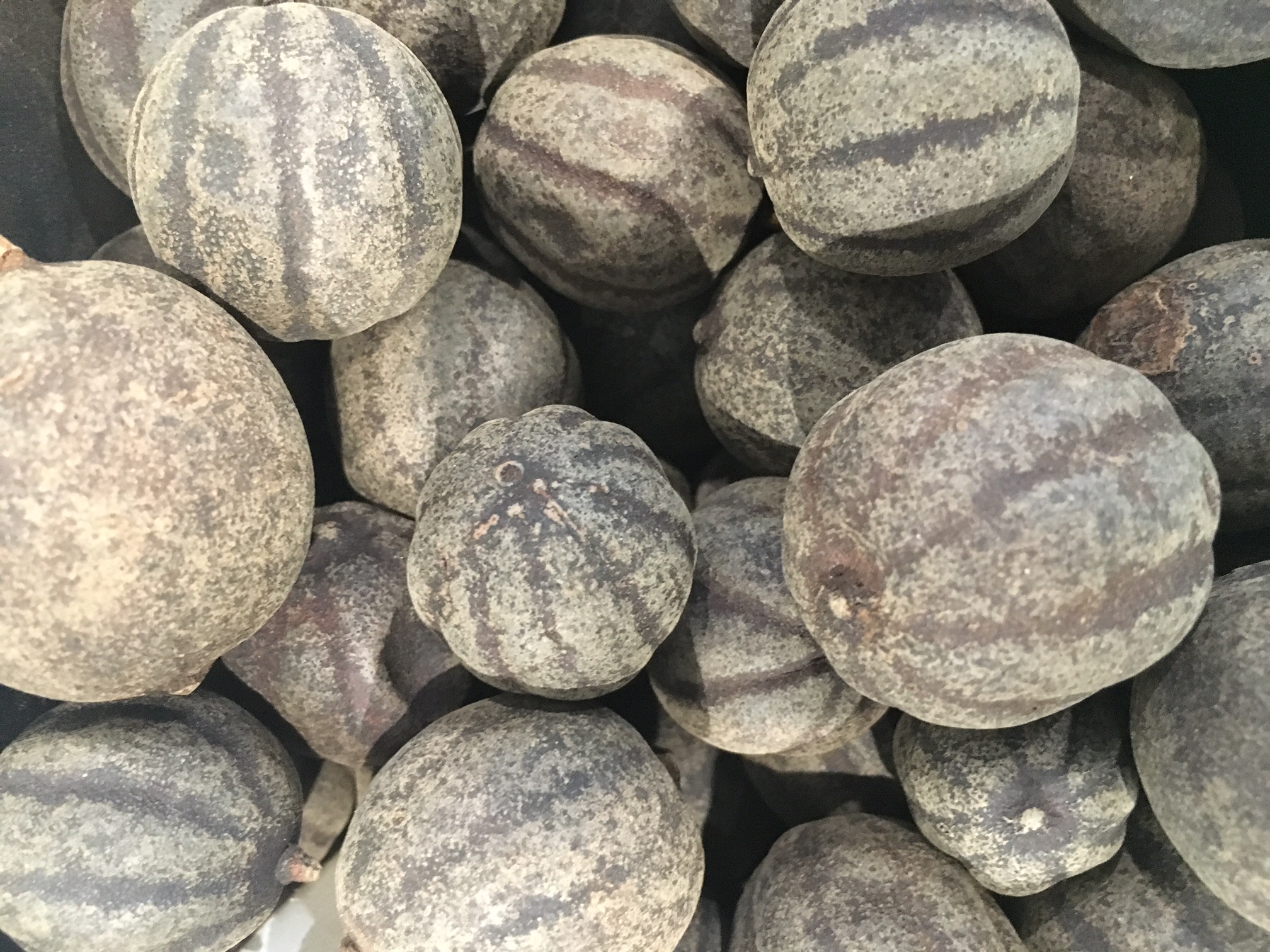
Aziz’s ingredient list pairs 500 grams of lamb cutlets with 500 grams of peeled pearl onions. Beef stock, a little water, tomato paste and garlic provide the cooking liquid and base; two dried limes, cinnamon and cumin supply the principal additional seasoning. [1] The proportions make onions a substantial component of the dish.
Two stages of slow cooking
Browned cutlets receive limes, cinnamon and tomato paste, then onions, garlic and liquid. Aziz gives a covered low simmer of two and a half hours until tender, followed by twenty-five minutes uncovered to reduce the broth. Serve with rice or bread. Beef and larger onion pieces are alternatives; adjust cooking time. [1]
How the recipe was recorded
The Iowa project was created by Language Media Center staff to exchange culinary traditions among language and interdisciplinary programmes and friends beyond campus. Its introduction describes a shared virtual kitchen during physical distancing, with an eventual teaching-kitchen ambition. [2] This publication context matters: it preserves a contributor’s named recipe, rather than supplying an archaeological chronology or a survey of every Kurdish household.
Similar names, different preparations
For a Taste of Persia publishes a separate family tas kebab with chicken, layered vegetables and prunes in tomato sauce; apples or quince are suggested when available. It is baked under foil and served with bread or rice. [4] That is a related name attached to a different preparation. Keeping each cook’s ingredients and method attributed is more useful than treating all such stews as one fixed recipe or making claims of exclusive ownership.
Sources and further reading
- Alka Aziz, Taskababi / Lamb Onion Stew, University of Iowa DWLLC Dishes and Dips, 14 April 2020.
- University of Iowa, DWLLC Dishes and Dips: project introduction and contributor guidelines.
- American University of Iraq, Sulaimani, Alka Aziz: profile and publications.
- For a Taste of Persia / Persepolis, Mother-in-Law’s Recipe for Tas Kebab.