Buka Barane: The Kurdish Rain Bride
- Dala Sarkis

- 2 hours ago
- 13 min read

Introduction
Buka Barane, the Rain Bride, is one of the most enchanting and most ancient of all Kurdish folk traditions: a rain-summoning ritual performed in times of drought, in which children carry a decorated doll, the Rain Bride, in procession through the streets and alleys of the village or town, chanting and pleading for the rain to come. It is a custom of great age and beauty, rooted in the deep Kurdish connection to nature and the land, and in the ancient belief in the power of ritual to call down the life-giving rain.
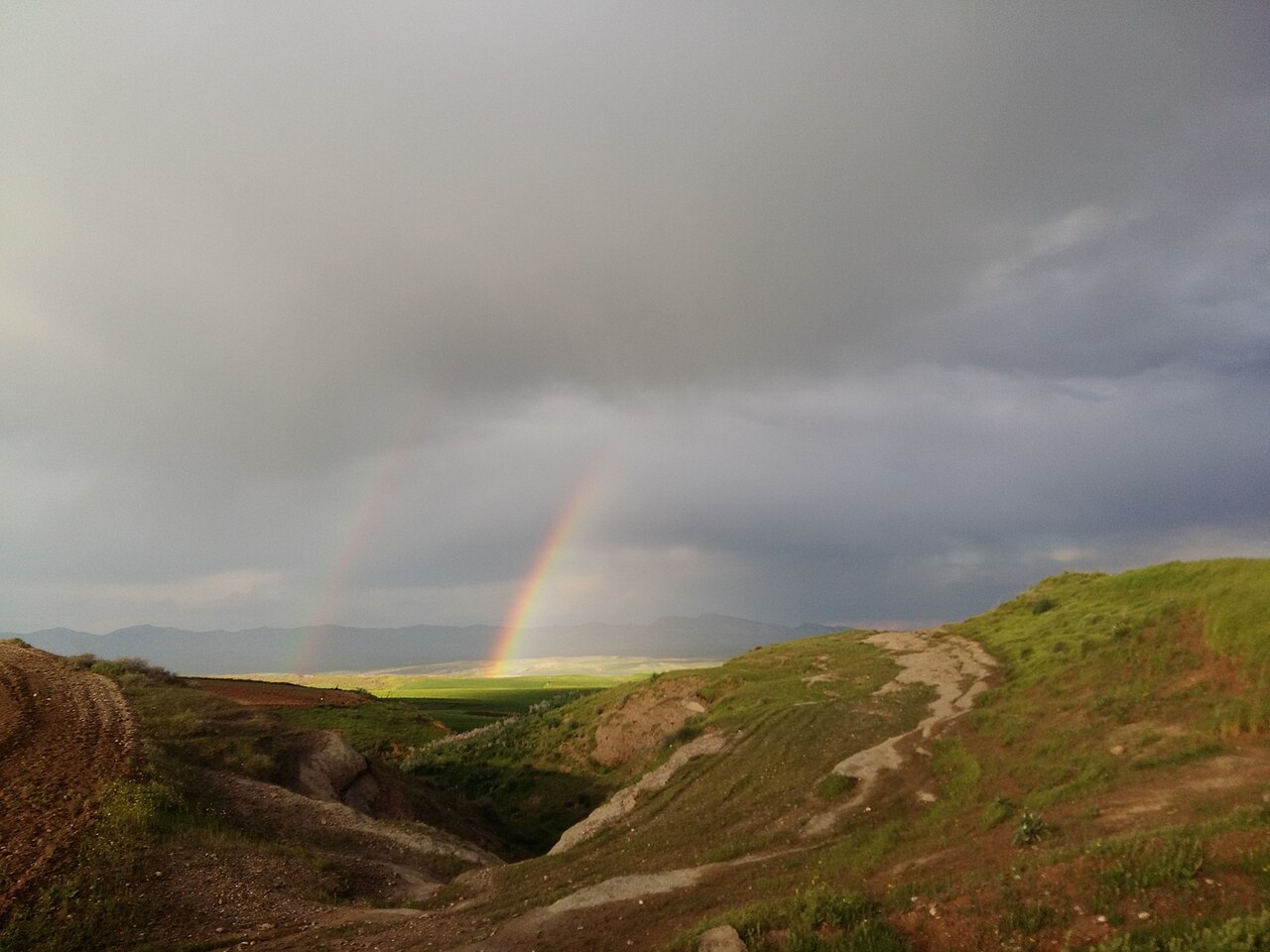
The ritual reaches back, in the understanding of scholars, to the pre-Islamic past of the Kurdish people, to a time when the rain and the waters were held sacred and the feminine was honoured as the source of fertility and life. In its imagery of the bride who summons the rain, some see the memory of an ancient reverence for a goddess of the waters. Whatever its deepest origins, Buka Barane is a living expression of the Kurdish bond with the natural world, beautifully named, for the Kurdish words buka barane mean not only the Rain Bride but also the rainbow that follows the rain.
A distinctively Kurdish custom practised across the Kurdish lands, Buka Barane has in recent years taken on new meaning amid the droughts brought by a changing climate, and has been revived in many communities as both a cherished tradition and a response to environmental hardship. To know it is to encounter one of the most beautiful of Kurdish folk rituals, a custom in which children, song, charity, and the hope for rain come together in a ceremony of great antiquity and enduring relevance, a living thread connecting the Kurds of today to the ancient reverence for the life-giving waters.
Contents
What Is Buka Barane?
Buka Barane, also written Buke Barane or Buka Barane, meaning the Rain Bride in Kurdish, is an ancient Kurdish rain-summoning ritual performed in times of drought to plead for rain. In the ceremony, a doll or effigy known as the Rain Bride, often made of a wooden frame dressed in traditional Kurdish women's clothing, is carried in procession through the streets by children, who chant a traditional refrain calling for rain. As the procession passes, residents sprinkle water on the Rain Bride from their rooftops and doorways, symbolically invoking the rainfall, and food is given to the poor and needy as part of the ritual. The custom, documented by scholars and reaching back to pre-Islamic times, is rooted in the Kurdish people's deep connection to nature, and it remains a living tradition, revived in recent years in many Kurdish communities, especially in times of drought.
The Rain Bride
At the heart of the ritual is the figure of the Rain Bride herself, the doll or effigy that gives the custom its name. In the tradition, the Rain Bride is fashioned from a simple frame, often of wood shaped in the form of a cross, which is then dressed in the traditional clothing of a Kurdish woman or bride, so that the effigy takes on the appearance of a little bride. This figure, carried aloft through the streets, is the focus of the whole ceremony, the symbolic bride whose procession summons the rain.
The image of the bride is central to the meaning of the ritual. The Rain Bride is not merely a doll but a symbolic figure, in the understanding of scholars representing the feminine principle of fertility and life, the mediator between the community and the life-giving waters of heaven. In dressing the effigy as a bride and carrying her through the village, the ritual enacts a kind of symbolic marriage or invocation, calling upon the powers of fertility and rain to bless the parched land. The very name, the Rain Bride, captures this beautiful symbolism, the bride who brings the rain as a bride brings new life. The figure of the Rain Bride, simple in its making yet rich in its meaning, is the enduring image at the heart of this ancient and beautiful Kurdish custom.
Key Takeaways
Buka Barane, the Rain Bride, is an ancient Kurdish rain-summoning ritual.
It is performed in times of drought to plead for rain.
Children carry a doll dressed as a bride in procession through the streets.
Residents sprinkle water on the Rain Bride and give food to the needy.
It has deep pre-Islamic roots in the Kurdish reverence for nature.
The Kurdish name also means the rainbow that follows the rain.
Quick Facts
Name: Buka Barane (the Rain Bride)
Also means: Rainbow, in Kurdish
Type: A rain-summoning ritual
Performed: In times of drought
The effigy: A doll dressed as a Kurdish bride
Carried by: Children, in procession through the streets
Community role: Residents sprinkle water and give to the poor
Roots: Pre-Islamic Kurdish reverence for nature
Documented by: Scholars including Thomas Bois (1966)
Today: Revived amid drought and climate concern
The Ritual of the Procession
The central act of Buka Barane is the procession of the Rain Bride through the village or town. In the tradition, the ceremony often begins in the late afternoon, after the time of the afternoon prayer, when the children gather and one among them is chosen to carry the Rain Bride. The children then process through the neighbourhood streets and alleys, bearing the bride aloft and chanting the traditional refrain that pleads for rain.
The chant is a rhythmic, traditional plea, calling upon God to send down the rain for the sake of the poor and the needy, and its words echo through the streets as the procession passes. As the children go from house to house with the Rain Bride, the residents play their part: from their rooftops and their doorways, they sprinkle water upon the Rain Bride, an act that symbolically invokes and imitates the longed-for rainfall, calling it down upon the land by the ancient logic of sympathetic ritual. In some regions, the doll is carried to a spring or stream and left there as a plea for rain, and the ceremony ends with collective prayer and supplication. Through the procession, the chant, and the sprinkling of water, the whole community is drawn into the ritual, the children carrying the bride, the households answering with water and prayer, all joined in the shared hope for the rain that will bring life to the thirsty land.
Charity and Community
An essential and beautiful element of Buka Barane is the giving of charity to the poor and the needy, woven into the very heart of the ritual. As the Rain Bride passes and the community gathers, food and other essentials are collected and given to those in need, and this act of communal generosity is held to be integral to the ritual's power, reflecting the belief that the giving of charity invites divine blessing and helps to call down the rain.
This joining of the plea for rain with the giving of charity expresses a profound moral and spiritual vision at the heart of the custom. The chant itself pleads for rain not for the rich but for the poor and the needy, and the ritual enacts this concern through the gathering and giving of food to those who lack. In the understanding of the tradition, the community's generosity and care for its most vulnerable members are not separate from the summoning of rain but essential to it: the blessing of heaven is invited by the goodness of the people, and the life-giving rain answers a community that cares for its own. In this, Buka Barane is not only a rain ritual but an expression of communal solidarity and compassion, a ceremony in which the hope for rain and the care for the poor are bound together, and the whole community is drawn into an act of shared generosity and shared longing. It is among the most touching features of this ancient custom.
Ancient Roots and the Goddess of the Waters
Buka Barane is held by scholars to be a ritual of great antiquity, reaching back to the pre-Islamic past of the Kurdish people, to a time before the coming of the monotheistic religions, when the rain and the waters were held sacred and approached through ritual. The custom was documented by scholars of Kurdish tradition, and is widely understood as a survival of ancient Kurdish nature-belief, a living relic of the deep past preserved in folk practice.
Some researchers see in the figure of the Rain Bride the memory of an ancient reverence for a goddess of the waters and of fertility. In this reading, the bride who summons the rain reflects an older belief in a feminine divine power over the waters and the fertility of the earth, the woman representing the mediator of life and the giver of the rains, an echo of the kind of water and fertility goddess honoured across the ancient Iranian and wider world, such as the great Anahita, lady of the waters. The deep association of the ritual with the feminine, with fertility, and with the life-giving waters points to these ancient roots. While the precise origins are a matter of scholarly interpretation, there is broad agreement that Buka Barane preserves a genuinely ancient layer of Kurdish belief, a reverence for the sacred waters and the feminine power of fertility that long predates the present forms of the custom, making the Rain Bride a living link to the ancient spiritual world of the Kurds.
A Tapestry of Rain Customs
Buka Barane is the best known of a wider tapestry of Kurdish rain-summoning customs, part of a rich complex of traditional practices by which Kurdish communities sought to call down the rain in times of drought. The scholarship on Kurdish custom records a variety of these rain rituals across the Kurdish lands, reflecting the deep concern of an agricultural and pastoral people with the vital question of rainfall, and their many traditional ways of seeking it.
Among these other rain customs, the tradition records practices such as women symbolically attaching themselves to ploughs and miming the ploughing of the waters of streams, communities gathering around ancient and sacred trees for ceremonial meals, and, in some areas, women gathering beneath the rain spouts after distributing food to the poor. Each of these customs, in its own way, sought to invoke the rain through ritual action, and together they form a rich body of traditional Kurdish ecological practice, expressing the people's intimate relationship with their environment and their understanding of the vital connection between the community and the natural world. Buka Barane stands at the heart of this tapestry as the most beloved and best-preserved of the Kurdish rain customs, but it is part of a larger heritage of traditional Kurdish ways of seeking the rain, a heritage that testifies to the depth of the Kurdish bond with the land and the waters on which life depends.
Symbolism and Meaning
Buka Barane embodies, above all, the deep Kurdish bond with nature and the sacred importance of the life-giving rain. As a ritual born of the dependence of an agricultural and pastoral people on the rainfall, it expresses the profound relationship between the community and the natural world, and the ancient sense that the rain is a blessing to be sought through ritual, prayer, and right action. In its figure of the Rain Bride, it preserves a beautiful and ancient symbolism of fertility, the feminine, and the union that brings forth life.
The ritual embodies, too, the values of community, generosity, and shared hope. In drawing the whole community into the ceremony, the children carrying the bride, the households sprinkling water, the giving of food to the needy, Buka Barane is an expression of communal solidarity, in which the hope for rain is joined to care for the poor and the gathering of the whole people in a shared act. The binding together of the plea for rain with the giving of charity expresses a profound vision in which the blessing of heaven answers the goodness of the community. And in its great antiquity, the ritual embodies the endurance and transmission of ancient Kurdish tradition across the centuries, a living survival of the pre-Islamic reverence for the sacred waters. In its modern revival amid the droughts of a changing climate, Buka Barane takes on yet further meaning, a traditional wisdom speaking to a contemporary crisis. It is among the most beautiful and meaningful of all the living customs of the Kurdish world.
Buka Barane and the Kurds
Buka Barane is a distinctively Kurdish custom, practised across the Kurdish lands and cherished as one of the most beautiful of Kurdish folk traditions. It is found widely across the Kurdish regions, in the towns and villages of both the eastern and other parts of Kurdistan, from Hawraman to Mahabad, Sanandaj, Kermanshah, and beyond, wherever Kurdish communities have sought the rain in times of drought. The custom, with its Kurdish name and its roots in Kurdish nature-belief, is a genuine expression of the cultural heritage of the Kurdish people.
In recent years, Buka Barane has taken on renewed meaning and seen a notable revival. As the Kurdish lands, like much of the region, have faced increasing drought and the challenges of a changing climate, communities and cultural activists have revived the ancient ritual, both as a cherished expression of Kurdish heritage and as a cultural and spiritual response to environmental hardship. The custom has been performed and celebrated anew in many Kurdish towns and villages, and has been recognised as part of the intangible cultural heritage of the region. In this revival, Buka Barane stands as a powerful symbol of the resilience of Kurdish tradition and of the enduring relevance of ancestral wisdom: an ancient ritual, born of the deep Kurdish bond with the land and waters, speaking once more to a community facing the timeless challenge of drought. It is a precious part of the living cultural heritage of the Kurds.
Debates and Misconceptions
Is Buka Barane a pre-Islamic or an Islamic custom? Like many enduring folk traditions, it carries layers of both. The ritual is widely held by scholars to be pre-Islamic in origin, reaching back to ancient Kurdish nature-belief and the reverence for the sacred waters, and some see in it the memory of an ancient water and fertility goddess. Yet as practised in later times, it is interwoven with Islamic elements, the chant calling upon God for rain, the timing after the afternoon prayer, and the framing of charity as inviting divine blessing. It is honest to present the custom as one of ancient, pre-Islamic roots that has been carried forward and reshaped within the Islamic era, the old and the new layered together, as is so often the case with living folk tradition.
Is the Rain Bride ritual unique to the Kurds? The Buka Barane is a genuinely and distinctively Kurdish custom, with its Kurdish name and its place in Kurdish tradition. At the same time, rituals of carrying a doll or effigy in procession to summon rain are found among other peoples of the wider region and beyond, reflecting a widespread human response to the universal challenge of drought. It is honest to recognise both the distinctively Kurdish character of Buka Barane and its place within a broader family of rain-summoning customs found across many cultures. This does not diminish its Kurdish authenticity, but places it within the shared human heritage of ritual responses to the need for rain, of which the Kurdish Rain Bride is a particularly beautiful example.
Does the name really mean rainbow? Yes, and this is one of the beautiful features of the custom. The Kurdish expression buka barane, the bride of the rain, is indeed the ordinary Kurdish word for the rainbow, the arc of colour that appears after the rain. This lovely double meaning, the Rain Bride who is both the effigy of the rain-summoning ritual and the rainbow in the sky, captures something of the poetry of the Kurdish relationship with the rain and the natural world. The rainbow, the bride of the rain, is the sign of the rain that has come, the beauty that follows the blessing of water upon the earth, and the name links the ritual that pleads for rain to the radiant sign of its arrival.
Related Topics
Anahita: the ancient lady of the waters and fertility
Tishtrya: the ancient yazata of rain and the rains' coming
Apam Napat: the ancient divinity of the waters
Newroz: the great Kurdish festival of spring and renewal
The Pir Shalyar festival: another ancient living Kurdish ceremony
The dengbej: the Kurdish tradition of sung memory
Kurdish creation myths: the origin legends of the Kurdish tradition
Kurdish folklore: the wider world of Kurdish custom and legend
Frequently Asked Questions
What is Buka Barane?
Buka Barane, meaning the Rain Bride in Kurdish, is an ancient Kurdish rain-summoning ritual performed in times of drought. In the ceremony, a doll dressed as a bride, the Rain Bride, is carried in procession through the streets by children, who chant a traditional refrain pleading for rain, while residents sprinkle water on the effigy from their rooftops and doorways and food is given to the needy. The custom has deep pre-Islamic roots in the Kurdish reverence for nature and remains a living, recently revived tradition.
How is the ritual performed?
The ceremony often begins in the late afternoon, when children gather and one is chosen to carry the Rain Bride, a doll made of a wooden frame dressed in traditional Kurdish women's clothing. The children process through the streets bearing the bride and chanting the traditional plea for rain. As they pass, residents sprinkle water on the Rain Bride from rooftops and doorways, symbolically invoking rainfall, and food is collected for the poor. In some regions the doll is carried to a spring, and the ceremony ends with collective prayer.
What are the origins of Buka Barane?
Buka Barane is held by scholars to be a ritual of great antiquity, reaching back to the pre-Islamic past of the Kurdish people and their ancient reverence for the sacred waters. Some researchers see in the figure of the Rain Bride the memory of an ancient water and fertility goddess, the bride representing the feminine power that mediates life and summons the rain. While the precise origins are a matter of interpretation, there is broad agreement that the custom preserves a genuinely ancient layer of Kurdish belief.
Why is charity part of the ritual?
The giving of food and essentials to the poor and needy is integral to Buka Barane, reflecting the belief that communal generosity invites divine blessing and helps call down the rain. The chant itself pleads for rain for the sake of the poor and needy. This joining of the plea for rain with the giving of charity expresses a profound vision in which the blessing of heaven answers the goodness of the community, making the ritual an expression of communal solidarity and compassion as well as a summoning of rain.
Does Buka Barane really mean rainbow?
Yes. The Kurdish expression buka barane, the bride of the rain, is also the ordinary Kurdish word for the rainbow, the arc of colour that appears after the rain. This beautiful double meaning links the rain-summoning ritual to the radiant sign of the rain's arrival: the Rain Bride is both the effigy carried in the ceremony and the rainbow in the sky, capturing the poetry of the Kurdish relationship with the rain and the natural world.
Is Buka Barane still practised today?
Yes; the custom remains a living tradition and has seen a notable revival in recent years. As the Kurdish lands have faced increasing drought and the challenges of a changing climate, communities and cultural activists have revived the ancient ritual, both as a cherished expression of Kurdish heritage and as a cultural and spiritual response to environmental hardship. It has been performed anew in many Kurdish towns and villages and recognised as part of the intangible cultural heritage of the region.
References and Further Reading
Comments