Kurdistan is not defined by one border, one government, or one capital. It stretches across mountains, plains, rivers, old trade routes, ancient fortresses, modern cities, and memory. Kurdish cities are spread across Turkey, Iraq, Iran, Syria, and the wider historical region of Kurdistan, each carrying a different part of the Kurdish story.
Some cities matter because they are large. Some matter because they are old. Some matter because they became centres of Kurdish politics, language, resistance, music, literature, trade, or identity. Others matter because they hold deep symbolic meaning, even if they are not the biggest on the map.
So this ranking is not simply about population. It is about Kurdish importance.
Here are the top ten Kurdish cities ranked.
10. Qamishli
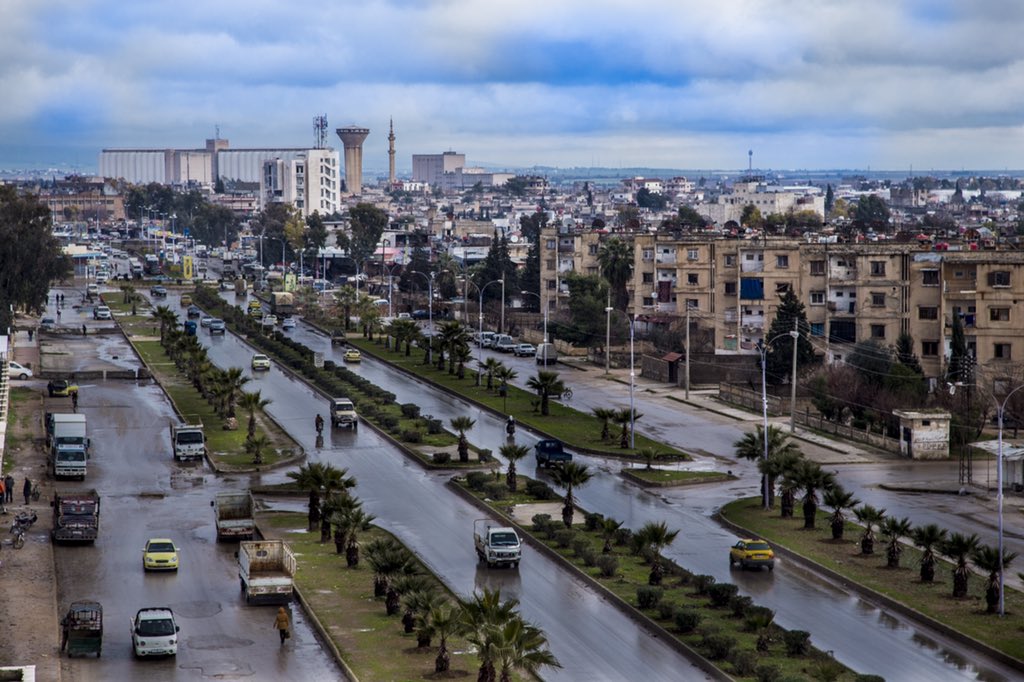
Qamishli, or Qamişlo in Kurdish, is one of the most important Kurdish cities in Syria and the symbolic heart of Rojava. Sitting in north-eastern Syria near the Turkish border, Qamishli is a city of Kurds, Assyrians, Arabs, Armenians, and other communities, making it one of the most diverse cities in the Kurdish world.
Its modern history is relatively recent compared with places like Erbil, Diyarbakir, or Kermanshah, but its political importance has grown enormously in the 21st century. During the Syrian civil war, Qamishli became one of the main centres of Kurdish-led self-administration in northern and eastern Syria.
For many Kurds, Qamishli represents both survival and experimentation: the survival of Kurdish identity in Syria after decades of denial, and the experiment of building a new political model in Rojava. It may not be the largest Kurdish city, but symbolically, it carries huge weight.
9. Duhok
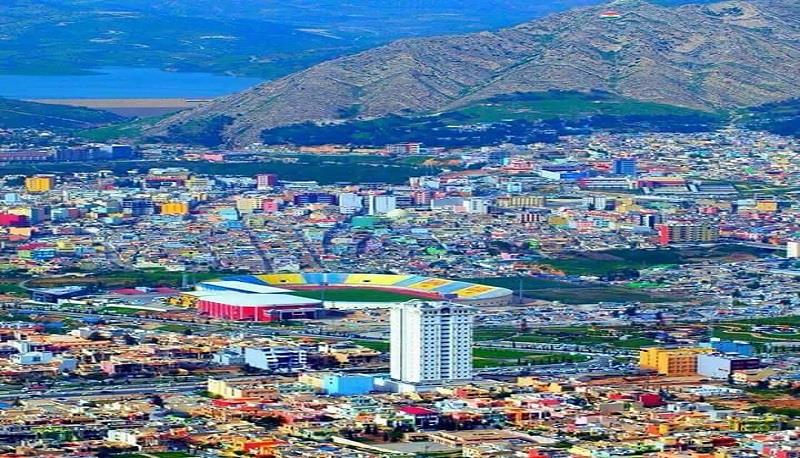
Duhok is one of the most beautiful cities in the Kurdistan Region of Iraq. Surrounded by mountains and close to the borders of Turkey and Syria, it has long been an important gateway between different parts of Kurdistan.
Duhok is often seen as quieter and more conservative than Erbil or Sulaymaniyah, but that does not make it less important. The city is central to the Badini-speaking Kurdish world and has become a major hub for trade, tourism, education, and displaced communities.
Its location gives it strategic importance. Its mountains give it natural beauty. Its people give it a strong Kurdish identity. Duhok may not always receive the same attention as Erbil or Slemani, but it is one of the pillars of modern Iraqi Kurdistan.
8. Van
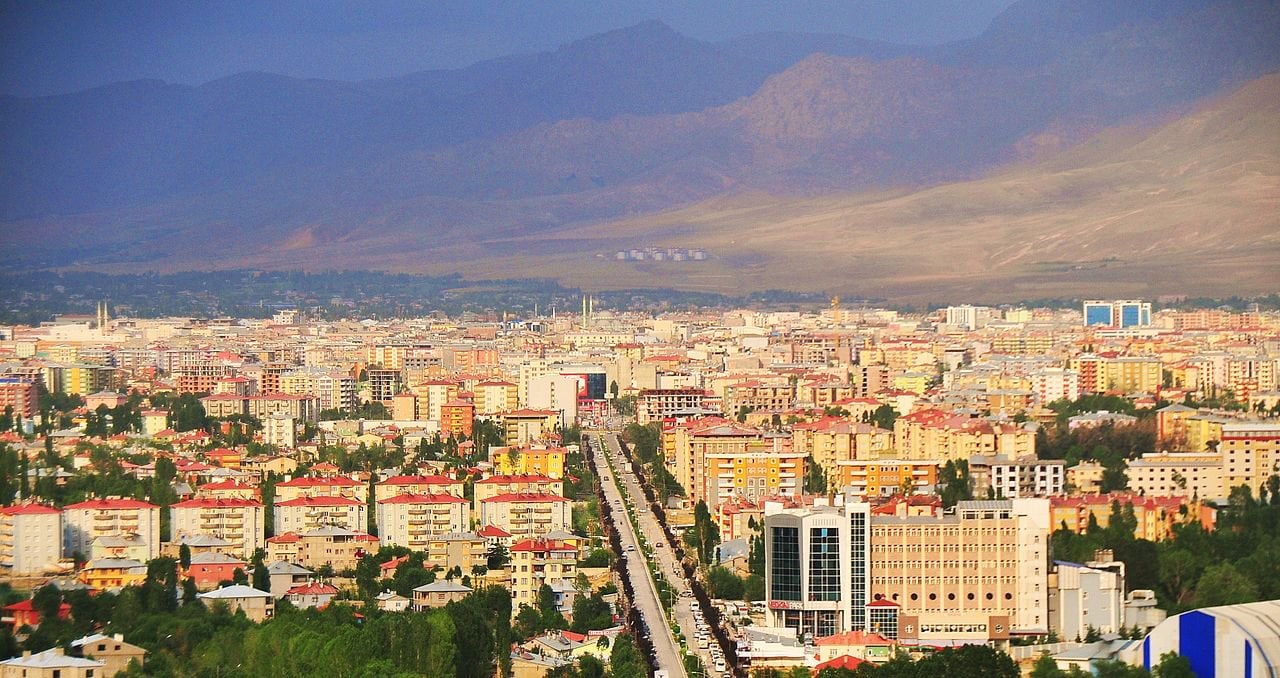
Van, or Wan in Kurdish, sits beside the vast and beautiful Lake Van in eastern Turkey. It is one of the great historical cities of the region, with roots stretching back to the ancient kingdom of Urartu. Long before modern states existed, Van was already a place of civilisation, trade, and power.
Today, Van is one of the major Kurdish cities of northern Kurdistan. Its position near Lake Van gives it a unique identity, combining ancient history, mountain geography, and modern Kurdish urban life.
Van also carries painful historical memory. The region was once home to large Armenian communities before the catastrophes of the First World War, and its history cannot be separated from the wider tragedies and transformations of the region. For Kurds, Armenians, and others, Van remains a city layered with memory.
It deserves its place in the top ten because few Kurdish cities combine natural beauty, ancient history, and modern political relevance in the way Van does.
7. Mahabad
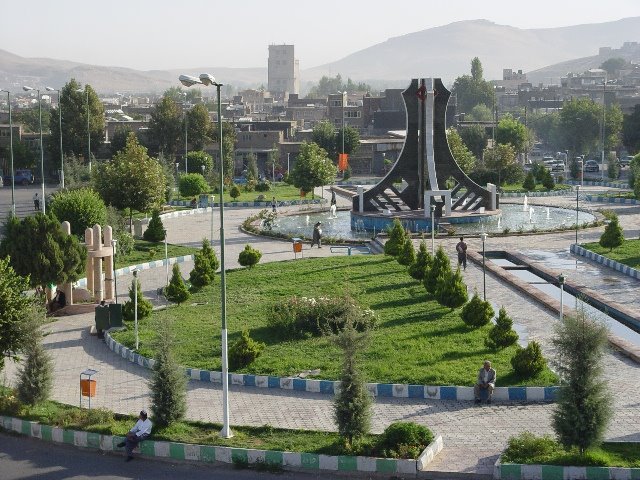
Mahabad is not one of the biggest Kurdish cities, but it is one of the most symbolic.
Located in north-western Iran, Mahabad is remembered across Kurdistan because of the short-lived Republic of Mahabad in 1946. For a brief moment, it became the capital of a modern Kurdish political project, led by Qazi Muhammad. Although the republic lasted less than a year, its emotional power has never disappeared.
Mahabad represents the Kurdish dream of self-rule. It represents sacrifice, political awakening, and the idea that even a small city can become the centre of a national story.
That is why Mahabad ranks above many larger cities. Its importance is not measured in skyscrapers, population, or wealth. It is measured in memory.
For Kurds, Mahabad is not just a city. It is a symbol.
6. Sanandaj
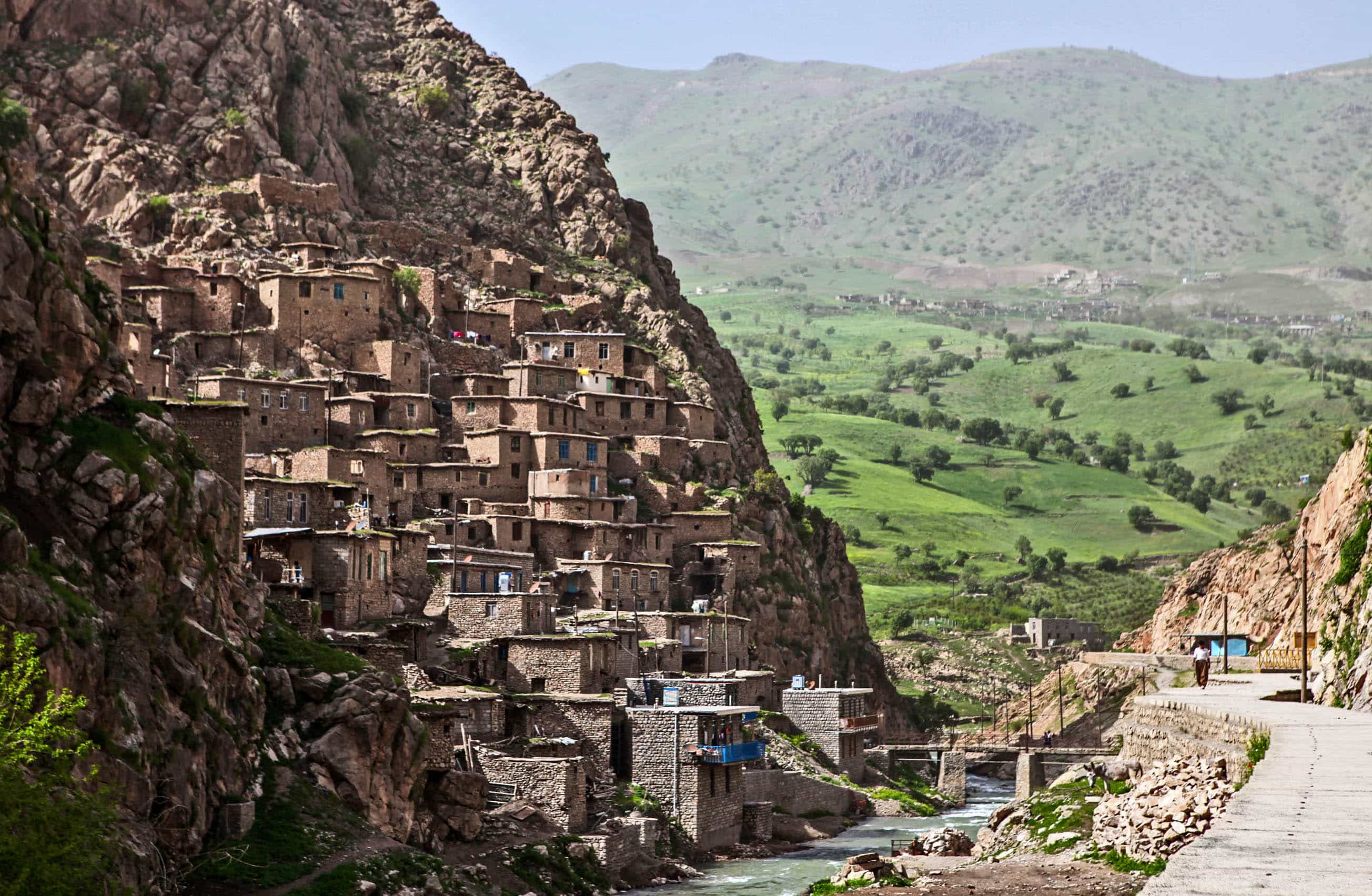
Sanandaj, known to many Kurds as Sine, is one of the cultural hearts of Iranian Kurdistan. As the capital of Kurdistan Province in Iran, it has long been associated with Kurdish music, art, learning, poetry, and urban culture.
Sanandaj has a different atmosphere from many other Kurdish cities. It is deeply connected to the mountains of Rojhelat and to the intellectual life of eastern Kurdistan. It has produced artists, musicians, writers, and political voices who helped shape Kurdish identity in Iran.
The city is also important because it represents a major Kurdish centre inside Iran, where Kurdish language and identity have survived despite political pressure and centralisation. Sanandaj is not only a provincial capital; it is a cultural capital.
If Erbil is the official capital of the Kurdistan Region and Diyarbakir is the emotional capital of northern Kurdistan, Sanandaj is one of the great cultural capitals of eastern Kurdistan.
5. Kermanshah
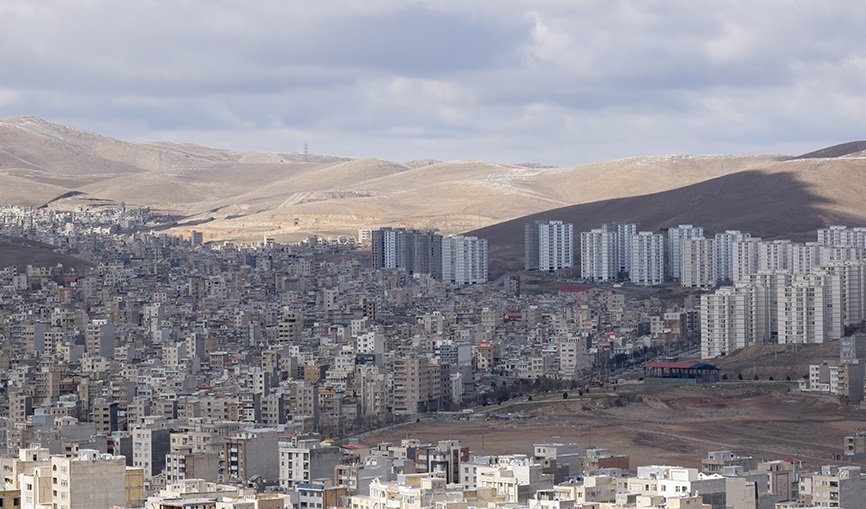
Kermanshah is one of the largest Kurdish cities in Iran and one of the oldest urban centres in the wider Kurdish region. It sits on historic routes linking Mesopotamia, Iran, and the wider Middle East, giving it centuries of strategic and commercial importance.
The city and its surrounding region are rich in ancient heritage. Near Kermanshah are famous historical sites such as Bisotun and Taq-e Bostan, reminders that this area has been central to empires, religions, armies, and trade for thousands of years.
Kermanshah also has a distinctive Kurdish identity. It is associated with southern Kurdish culture, including Kalhori and related Kurdish dialects and traditions. This makes it different from cities like Erbil, Sulaymaniyah, or Diyarbakir, which are often more strongly associated with Sorani or Kurmanji Kurdish identity.
Kermanshah ranks highly because of its size, age, cultural depth, and historical position. It is one of the great Kurdish urban centres, even if it is sometimes overlooked in mainstream discussions of Kurdistan.
4. Kirkuk
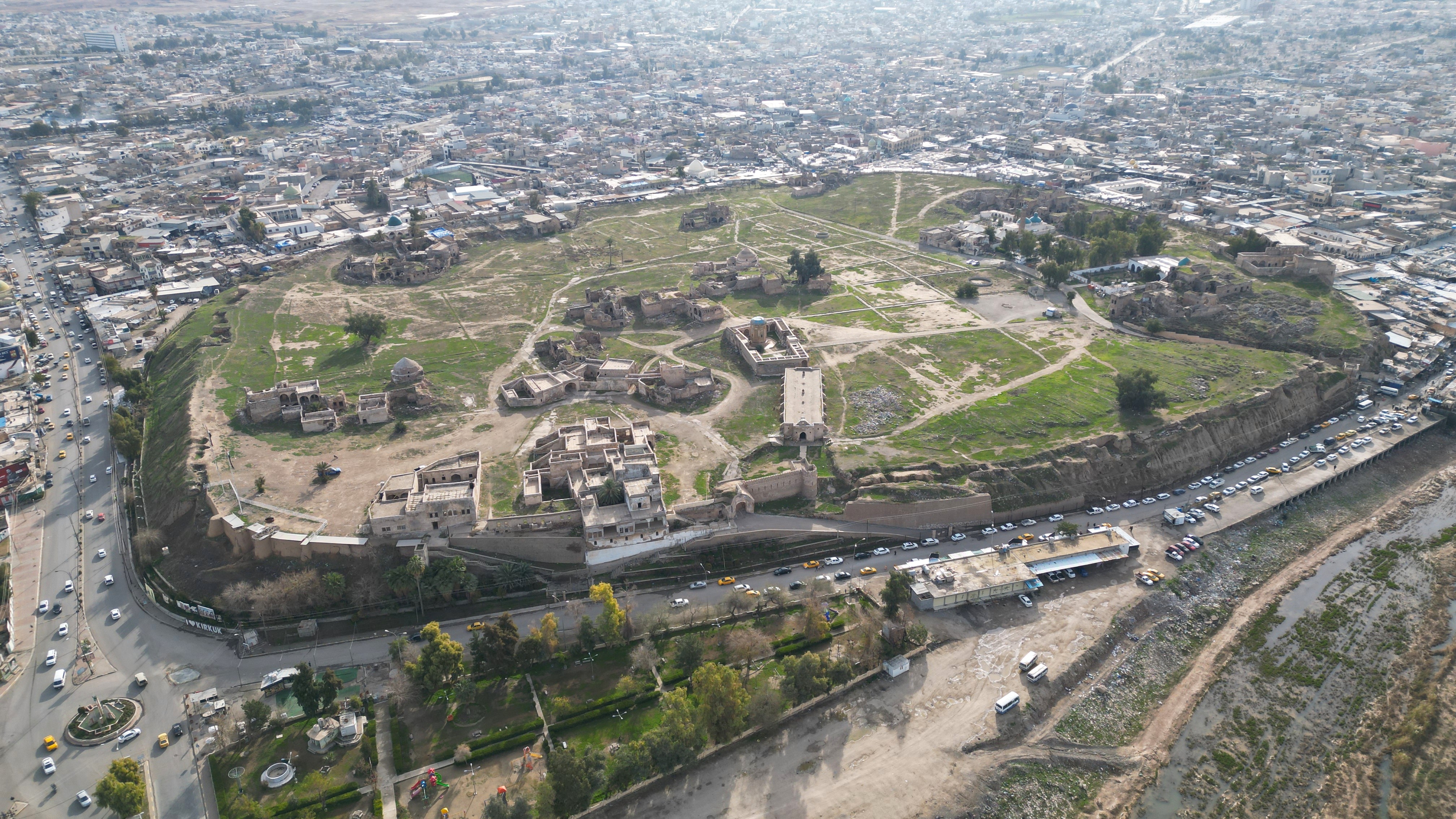
Kirkuk is one of the most sensitive and symbolic cities in the Kurdish world.
It is not only a Kurdish city. It is also home to Turkmens, Arabs, Assyrians, and others. That mixed identity is part of what makes it important. Kirkuk is often described as a disputed city, but for Kurds it carries a powerful emotional meaning.
For generations, many Kurds have viewed Kirkuk as a historic Kurdish centre and a city deeply tied to Kurdish political aspirations. Its oil wealth, mixed population, and strategic location have made it one of the most contested places in Iraq.
Kirkuk’s importance cannot be reduced to one community. It is a city of many peoples. But from a Kurdish historical perspective, it remains one of the most important and painful cities in the national story.
Kirkuk ranks fourth because it is impossible to understand modern Kurdish politics without understanding Kirkuk. It is a city of memory, oil, displacement, return, coexistence, conflict, and unresolved questions.
3. Sulaymaniyah
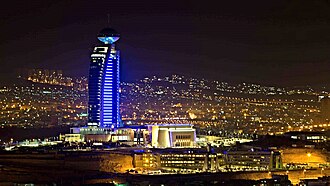
Sulaymaniyah, or Slemani, is the cultural and intellectual capital of Iraqi Kurdistan.
Founded in the late 18th century, the city became a major centre of Kurdish poetry, journalism, education, politics, and modern identity. If Erbil is the political capital of the Kurdistan Region, Slemani is often seen as its cultural soul.
Slemani has always had a reputation for literature, debate, political life, music, cafés, publishing, and free expression. It is the city of poets and intellectuals, the city where Kurdish political thought developed in powerful ways, and the city that helped shape modern Kurdish nationalism.
It is also one of the largest and most developed cities in the Kurdistan Region, surrounded by mountains and linked to the wider history of southern Kurdistan.
Slemani ranks third because it is not only a city people live in. It is a city that shaped how Kurds think, write, argue, organise, and imagine themselves.
2. Diyarbakir
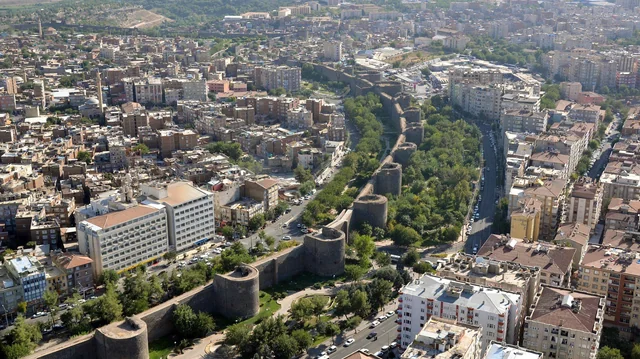
Diyarbakir, or Amed in Kurdish, is arguably the most emotionally powerful Kurdish city in Turkey.
It is ancient, beautiful, wounded, proud, and deeply symbolic. Its black basalt walls, old city, mosques, churches, narrow streets, and position on the Tigris River make it one of the most historically important cities in the whole region.
For Kurds in Turkey, Amed has often been seen as an unofficial capital. It has been a centre of Kurdish politics, culture, language, music, protest, and memory. It is also a city marked by pain, especially because of state repression, conflict, displacement, and the destruction suffered in parts of the old Sur district.
Diyarbakir ranks so highly because no other Kurdish city in Turkey carries the same emotional and political weight. It is not simply a large Kurdish-majority city. It is a symbol of Kurdish identity in northern Kurdistan.
If you want to understand the Kurdish question in Turkey, you must understand Amed.
1. Erbil
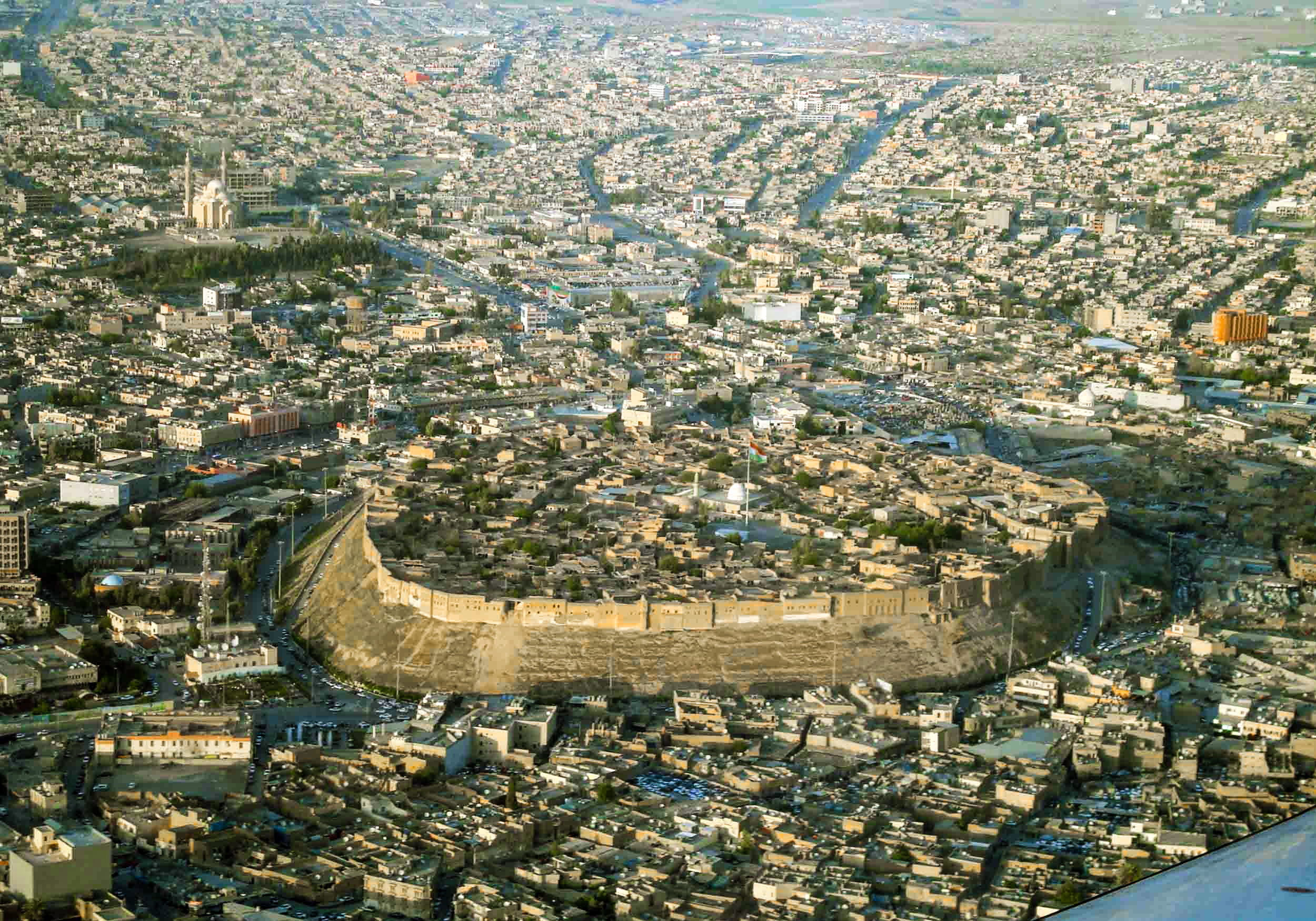
Erbil, or Hewlêr in Kurdish, takes the number one spot.
It is the capital of the Kurdistan Region of Iraq, one of the oldest continuously inhabited cities in the world, and the political centre of Kurdish self-government today. Its citadel rises above the city like a physical symbol of Kurdish endurance: ancient at the centre, modern all around it.
Erbil has been a trade hub, a political capital, a cultural meeting point, and a symbol of Kurdish achievement. In the modern era, it became the seat of the Kurdistan Regional Government and the most internationally recognised Kurdish capital.
The city also represents a rare Kurdish success story. While Kurds across the region have often faced denial, repression, displacement, and broken promises, Erbil stands as the capital of a recognised autonomous Kurdish region. It has airports, universities, foreign consulates, businesses, modern roads, and institutions that connect Kurdistan to the world.
Erbil is not perfect, and no city is. But symbolically, politically, historically, and practically, it stands at the centre of the modern Kurdish world.
That is why Erbil ranks number one.
Final Ranking
Erbil
Diyarbakir
Sulaymaniyah
Kirkuk
Kermanshah
Sanandaj
Mahabad
Van
Duhok
Qamishli
Final Thoughts
Ranking Kurdish cities is difficult because each city carries a different part of the Kurdish story.
Erbil represents Kurdish government and international recognition. Diyarbakir represents Kurdish identity in Turkey. Sulaymaniyah represents culture and intellectual life. Kirkuk represents the unresolved political heart of Iraq’s disputed territories. Kermanshah and Sanandaj represent the depth of Kurdish life in Iran. Mahabad represents the dream of Kurdish self-rule. Van represents ancient history and northern Kurdish identity. Duhok represents mountain beauty and Badini culture. Qamishli represents Rojava and the Kurdish story in Syria.
Together, these cities show that Kurdistan is not one place. It is a network of cities, memories, languages, mountains, rivers, and people.
And every Kurdish city, whether ranked or not, carries a piece of the nation.